Dave Counsell – författare
Visar alla böcker från författaren Dave Counsell. Handla med fri frakt och snabb leverans.
4 produkter
4 produkter
432 kr
Skickas inom 5-8 vardagar
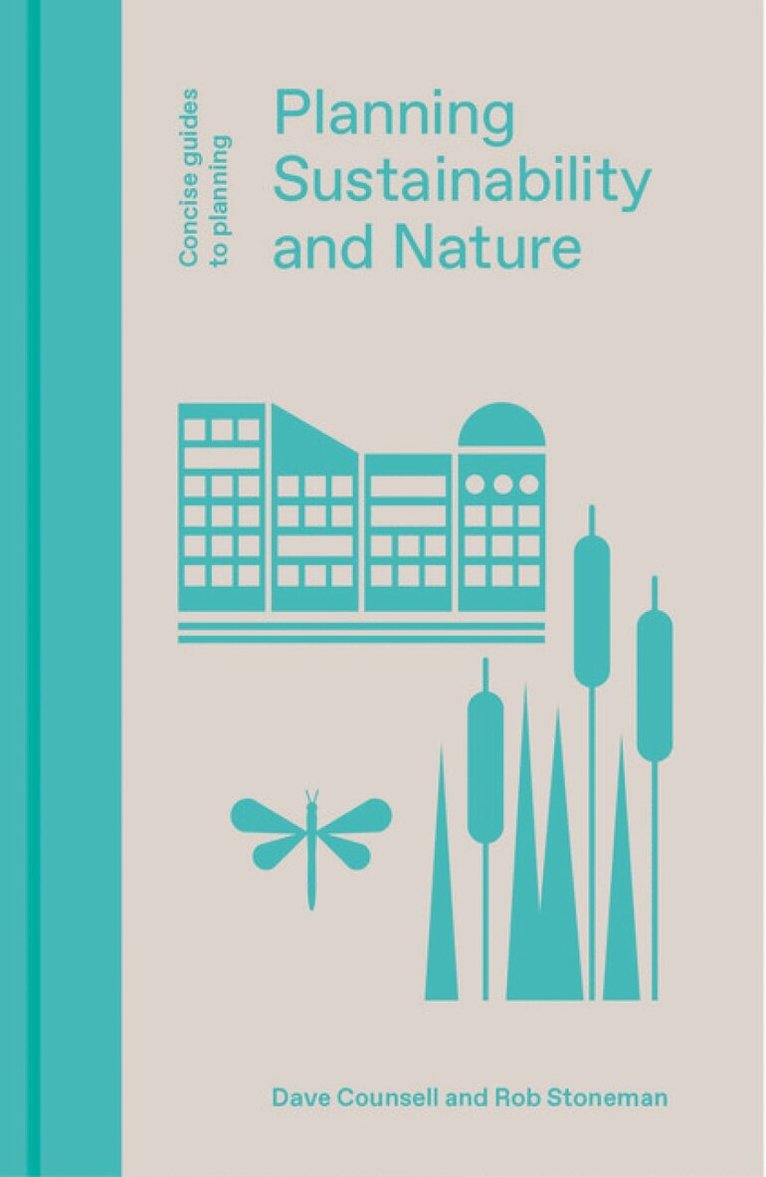
Why is it important to plan for the natural environment at a whole-landscape scale and to connect wildlife habitats together? Why do planners need to look beyond protecting particular species and their habitats? Why should planners help nature to recolonise towns and cities and how can they best do this?In seeking to answer such questions, this book provides a grounding for planners and professionals in related fields in the key concepts associated with biodiversity and the natural environment, and in how to apply them in practice. It looks at how natural environment policy has shifted from the protection of rare species and nature reserves to a more holistic approach, based on biodiversity.Beginning with a brief history of environmental movements, the guide then focuses on changing approaches to conserving the natural environment. It explains environmental sustainability approaches as well as techniques for planners, using ideas such as environmental capacity and natural capital and, more recently, ecosystem services and multi-functional solutions. It addresses issues of spatial scale, connectivity, and ecological networks, recognising that small nature reserves are vulnerable and lack resilience to change. Other key topics include rebuilding biodiversity through habitat creation, enhancement, and restoration, along with the ‘re-naturing’ of cities. The tools and policies are set out before identifying key lessons and implications for future policy development and planning practice.
253 kr
Tillfälligt slut
Why do planners need to look beyond protecting particular species and their habitats? Why it is important to plan for the natural environment at a whole landscape scale and to connect wildlife habitats together? Why should planners help nature to recolonize towns and cities-and how best can they do this? In seeking the answers to such questions, this book provides a foundation for planners and other related professionals in the areas of biodiversity, the natural environment, and how to apply them in practice. The book looks at how natural environment policy has shifted from the protection of rare species and nature reserves to a more holistic approach, based on biodiversity. Beginning with a brief history of environmental movements, the guide then focuses on changing approaches to conserving the natural environment. It explains environmental sustainability approaches as well as techniques for planners, using ideas such as environmental capacity and natural capital and, more recently, ecosystem services and multi-functional solutions. It addresses issues of spatial scale, connectivity, and ecological networks, recognizing that small nature reserves are vulnerable and lack the resilience to substantially change. Other key topics include rebuilding biodiversity through habitat creation, enhancement, and restoration, along with the "e;re-naturing"e; of cities. The tools and policy are laid out before identifying key lessons and implications for future policy development and planning practice.
253 kr
Tillfälligt slut
Why do planners need to look beyond protecting particular species and their habitats? Why it is important to plan for the natural environment at a whole landscape scale and to connect wildlife habitats together? Why should planners help nature to recolonize towns and cities-and how best can they do this? In seeking the answers to such questions, this book provides a foundation for planners and other related professionals in the areas of biodiversity, the natural environment, and how to apply them in practice. The book looks at how natural environment policy has shifted from the protection of rare species and nature reserves to a more holistic approach, based on biodiversity. Beginning with a brief history of environmental movements, the guide then focuses on changing approaches to conserving the natural environment. It explains environmental sustainability approaches as well as techniques for planners, using ideas such as environmental capacity and natural capital and, more recently, ecosystem services and multi-functional solutions. It addresses issues of spatial scale, connectivity, and ecological networks, recognizing that small nature reserves are vulnerable and lack the resilience to substantially change. Other key topics include rebuilding biodiversity through habitat creation, enhancement, and restoration, along with the "e;re-naturing"e; of cities. The tools and policy are laid out before identifying key lessons and implications for future policy development and planning practice.
253 kr
Tillfälligt slut