David A. Eberth – författare
Visar alla böcker från författaren David A. Eberth. Handla med fri frakt och snabb leverans.
4 produkter
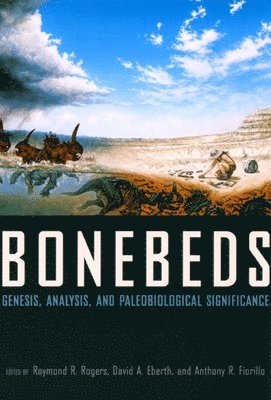
Bonebeds
Genesis, Analysis, and Paleobiological Significance
Av Raymond R. Rogers, David A. Eberth m. fl.
Häftad, 2008
397 kr
Lägg i varukorg
The vertebrate fossil record extends back more than 500 million years, and bonebeds - localized concentrations of the skeletal remains of vertebrate animals - help unlock the secrets of this long history. Often spectacularly preserved, bonebeds - both modern and ancient - can reveal more about life …
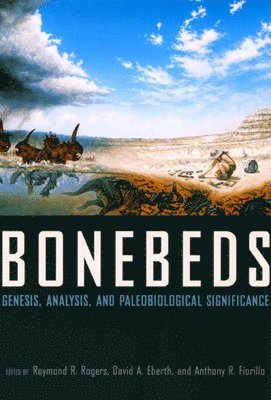
Bonebeds
Genesis, Analysis, and Paleobiological Significance
Av Anthony R. Fiorillo, David A. Eberth m. fl.
E-bok, 2010
834 kr
Lägg i varukorg
The vertebrate fossil record extends back more than 500 million years, and bonebeds—localized concentrations of the skeletal remains of vertebrate animals—help unlock the secrets of this long history. Often spectacularly preserved, bonebeds—both modern and ancient—can reveal more about life …
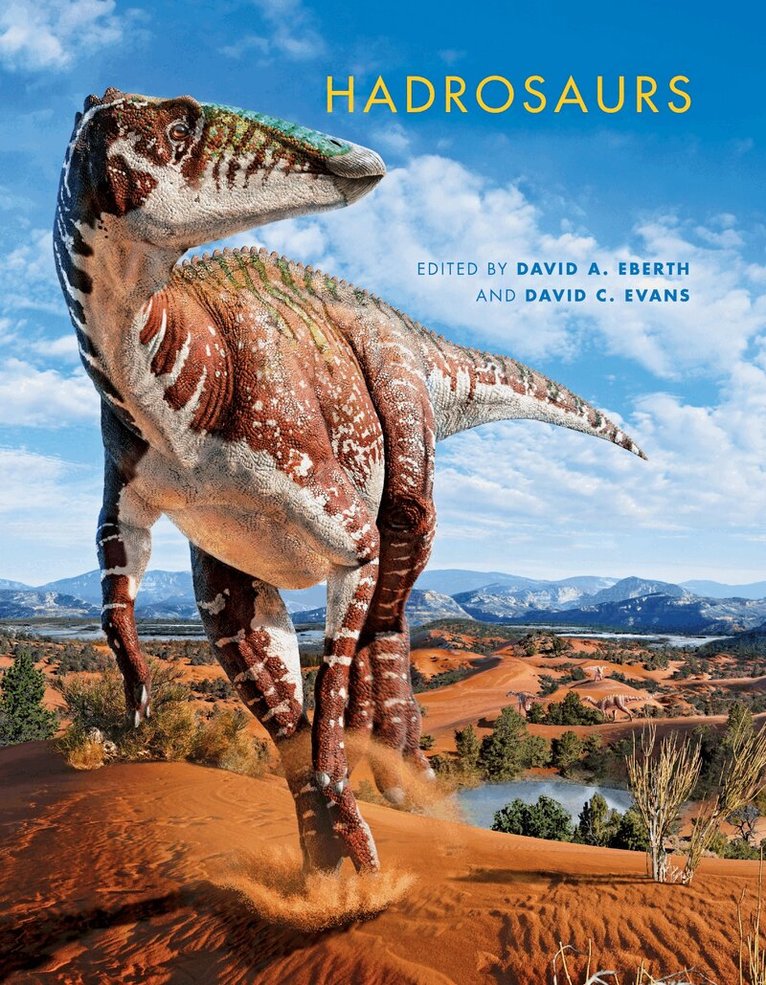
Hadrosaurs
Av David A. Eberth, Michael J. Benton m. fl.
Inbunden, 2014
1080 kr
Lägg i varukorg
Hadrosaurs—also known as duck-billed dinosaurs—are abundant in the fossil record. With their unique complex jaws and teeth perfectly suited to shred and chew plants, they flourished on Earth in remarkable diversity during the Late Cretaceous. So ubiquitous are their remains that we have learned …
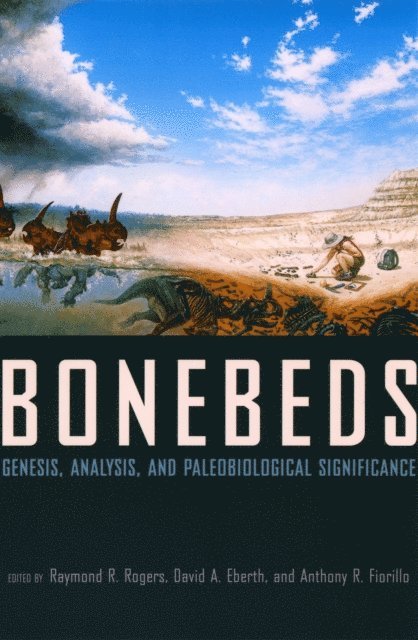
Bonebeds
Genesis, Analysis, and Paleobiological Significance
Av Raymond R. Rogers, David A. Eberth m. fl.
Inbunden, 2008
941 kr
Tillfälligt slut
The vertebrate fossil record extends back more than 500 million years, and bonebeds - localized concentrations of the skeletal remains of vertebrate animals - help unlock the secrets of this long history. Often spectacularly preserved, bonebeds - both modern and ancient - can reveal more about life …