
David A. Granger – författare
Visar alla böcker från författaren David A. Granger. Handla med fri frakt och snabb leverans.
4 produkter
4 produkter
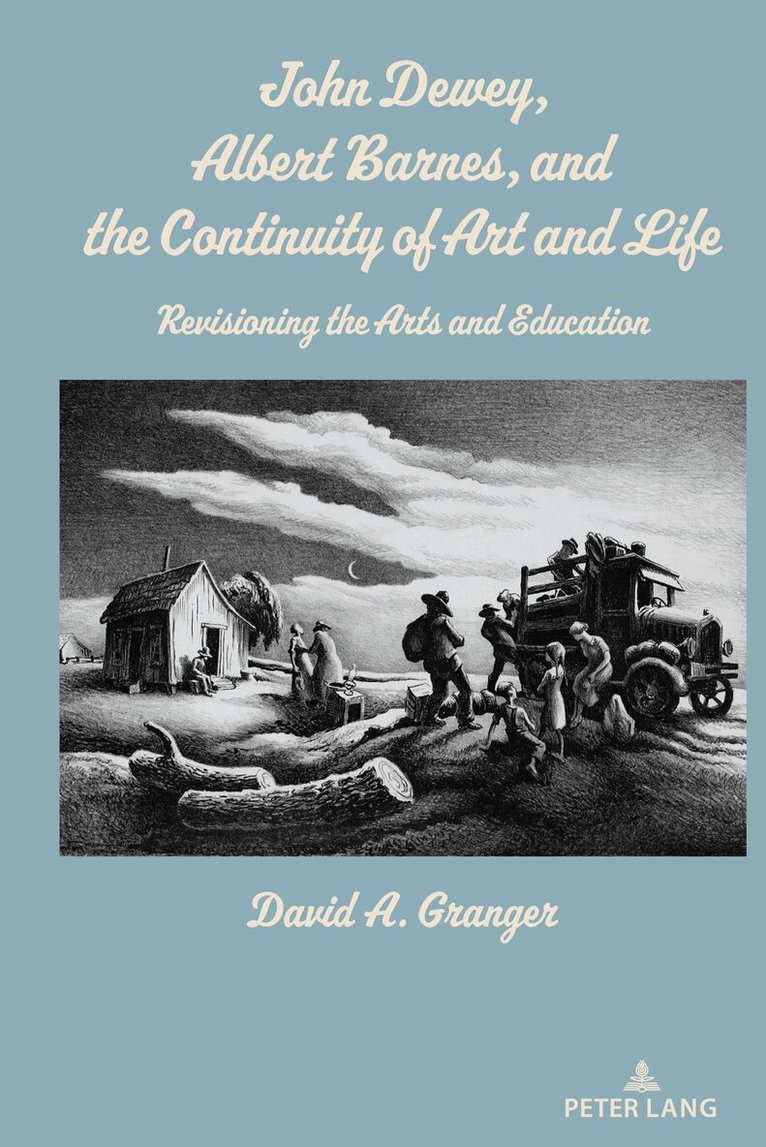
John Dewey, Albert Barnes, and the Continuity of Art and Life
Revisioning the Arts and Education
Inbunden, Engelska, 2023
1 194 kr
Skickas inom 5-8 vardagar
This carefully researched book offers a dynamic and expansive Deweyan vision for the arts and education. This (re)vision acknowledges the influence on Dewey’s aesthetics of art collector and educator Albert Barnes, while also exploring the various ways Dewey’s writings on the arts, in moving beyond Barnes’ "scientific aesthetic method," were an important resource for many innovative twentieth-century American artists, art movements, and arts-related educational institutions. Neither Barnes’ influence on Dewey nor the features of Dewey’s naturalistic aesthetics that made his Art as Experience a favorite text of many artists and arts practitioners have been fully and adequately acknowledged in existing literature on Dewey’s thinking about the arts and education. This book effectively remedies that situation. "Granger clarifies, advances, and augments a broad and open-ended ‘Deweyan vision of the arts and education.’ Enlivened on almost every page by concrete historical and contemporary examples drawn from the arts, Granger’s highly readable book is essential for democratic educators, administrators, and policymakers who reject the zombie idea that ‘real’ academic work is inherently separate from aesthetic consummations."—Steven Fesmire, Professor of Philosophy, Radford University; President of the Society for the Advancement of American Philosophy; Author of John Dewey and Moral Imagination: Pragmatism in Ethics "One of the most vexing characters on the American art scene was Albert Barnes: the self-styled, passionate collector whose good intentions to educate the masses ran amuck with a museum that, like his art theories, proved too rigid to be realistic. Thus, his friendship with John Dewey, whose wide application of art to life has been puzzling—until now. With Granger, we see that Barnes’ lessons in how to look, while frozen in a formal analysis of modern French art, nonetheless unleashed in the philosopher an expansive way to think about the aesthetic. As demonstrated here, Dewey’s dynamic, embodied understanding inspired the evolution of radical art throughout the 20th century, providing insight into making and being in the world still."—Mary Jane Jacob, Professor and Director of the Institute for Curatorial Research and Practice, School of the Art Institute of Chicago; Author of Dewey for Artists "David Granger’s valuable book begins by examining the mutually-influential friendship of John Dewey and Albert Barnes, along with significant differences between the two men. In contrast with Barnes’ comparatively ridged formalism, Granger demonstrates compatibilities and/or relationships between Dewey’s aesthetics and painters Thomas Hart Benton and Jackson Pollock, as well as Black Mountain College artists and educators including John Andrew Rice, John Cage, Robert Rauschenberg, and Merce Cunningham among others. Well researched, the book establishes many surprising relations among people, art, and ideas. Granger concludes with a refreshingly original vision of the arts and education."—Jim Garrison, Professor Emeritus, School of Education, Virginia Tech; Past-President of the John Dewey Society; Author of Dewey and Eros: Wisdom and Desire in the Art of Teaching
John Dewey, Albert Barnes, and the Continuity of Art and Life
Revisioning the Arts and Education
Häftad, Engelska, 2023
557 kr
Skickas inom 5-8 vardagar
This carefully researched book offers a dynamic and expansive Deweyan vision for the arts and education. This (re)vision acknowledges the influence on Dewey’s aesthetics of art collector and educator Albert Barnes, while also exploring the various ways Dewey’s writings on the arts, in moving beyond Barnes’ "scientific aesthetic method," were an important resource for many innovative twentieth-century American artists, art movements, and arts-related educational institutions. Neither Barnes’ influence on Dewey nor the features of Dewey’s naturalistic aesthetics that made his Art as Experience a favorite text of many artists and arts practitioners have been fully and adequately acknowledged in existing literature on Dewey’s thinking about the arts and education. This book effectively remedies that situation. "Granger clarifies, advances, and augments a broad and open-ended ‘Deweyan vision of the arts and education.’ Enlivened on almost every page by concrete historical and contemporary examples drawn from the arts, Granger’s highly readable book is essential for democratic educators, administrators, and policymakers who reject the zombie idea that ‘real’ academic work is inherently separate from aesthetic consummations."—Steven Fesmire, Professor of Philosophy, Radford University; President of the Society for the Advancement of American Philosophy; Author of John Dewey and Moral Imagination: Pragmatism in Ethics "One of the most vexing characters on the American art scene was Albert Barnes: the self-styled, passionate collector whose good intentions to educate the masses ran amuck with a museum that, like his art theories, proved too rigid to be realistic. Thus, his friendship with John Dewey, whose wide application of art to life has been puzzling—until now. With Granger, we see that Barnes’ lessons in how to look, while frozen in a formal analysis of modern French art, nonetheless unleashed in the philosopher an expansive way to think about the aesthetic. As demonstrated here, Dewey’s dynamic, embodied understanding inspired the evolution of radical art throughout the 20th century, providing insight into making and being in the world still."—Mary Jane Jacob, Professor and Director of the Institute for Curatorial Research and Practice, School of the Art Institute of Chicago; Author of Dewey for Artists "David Granger’s valuable book begins by examining the mutually-influential friendship of John Dewey and Albert Barnes, along with significant differences between the two men. In contrast with Barnes’ comparatively ridged formalism, Granger demonstrates compatibilities and/or relationships between Dewey’s aesthetics and painters Thomas Hart Benton and Jackson Pollock, as well as Black Mountain College artists and educators including John Andrew Rice, John Cage, Robert Rauschenberg, and Merce Cunningham among others. Well researched, the book establishes many surprising relations among people, art, and ideas. Granger concludes with a refreshingly original vision of the arts and education."—Jim Garrison, Professor Emeritus, School of Education, Virginia Tech; Past-President of the John Dewey Society; Author of Dewey and Eros: Wisdom and Desire in the Art of Teaching
466 kr
Skickas inom 5-8 vardagar
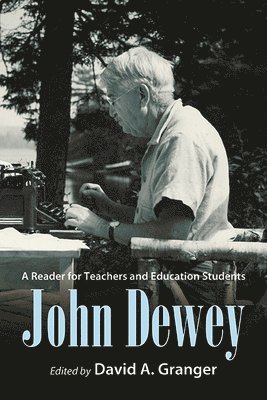
Designed specifically for teachers and education students, with carefully selected articles, lectures, and book chapters covering Dewey's major ideas.This John Dewey reader was designed specifically for teachers, teacher educators, and education students. Using carefully selected articles, lectures, book chapters, and other brief writings from Dewey's collected works, it covers major concepts and ideas from his extensive research and reflections on education and teaching. The twenty-five readings were carefully chosen for their accessibility and their continuing relevance to the work of classroom teachers and other school-based practitioners. To enhance its usefulness, the book contains a glossary of Deweyan terms, summaries for each reading, a selective annotated bibliography, and an index. Instead of merely encountering Dewey's views secondhand, this volume empowers readers to access and explore primary sources in a user-friendly way.
1 833 kr
Skickas inom 3-6 vardagar
Designed specifically for teachers and education students, with carefully selected articles, lectures, and book chapters covering Dewey's major ideas.This John Dewey reader was designed specifically for teachers, teacher educators, and education students. Using carefully selected articles, lectures, book chapters, and other brief writings from Dewey's collected works, it covers major concepts and ideas from his extensive research and reflections on education and teaching. The twenty-five readings were carefully chosen for their accessibility and their continuing relevance to the work of classroom teachers and other school-based practitioners. To enhance its usefulness, the book contains a glossary of Deweyan terms, summaries for each reading, a selective annotated bibliography, and an index. Instead of merely encountering Dewey's views secondhand, this volume empowers readers to access and explore primary sources in a user-friendly way.