David A. Nicholls – författare
Visar alla böcker från författaren David A. Nicholls. Handla med fri frakt och snabb leverans.
11 produkter
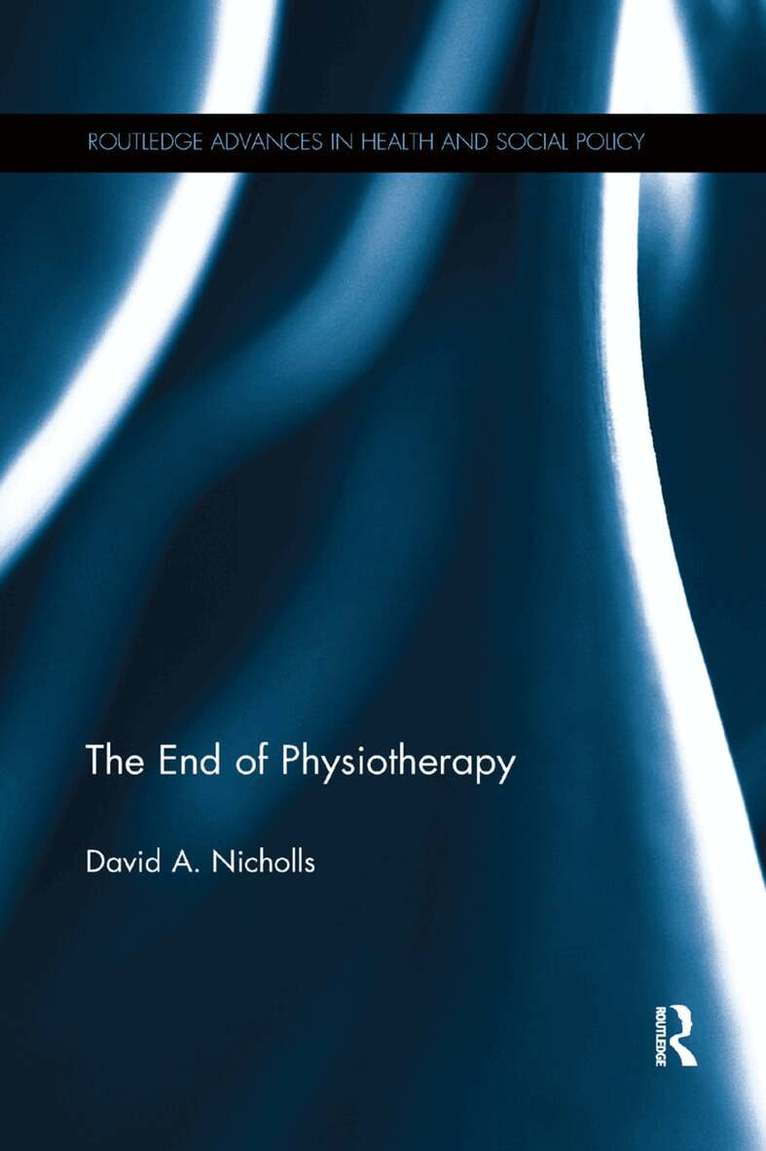
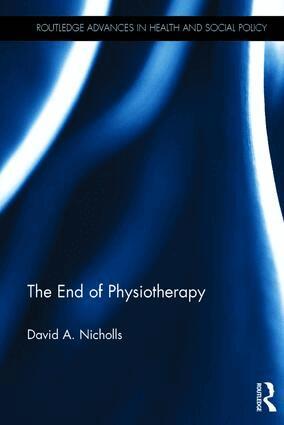
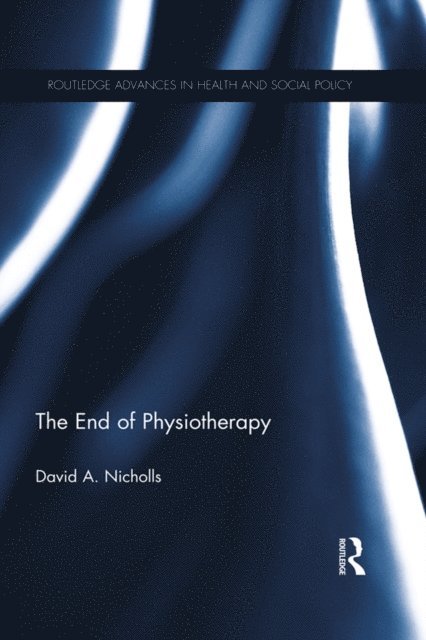
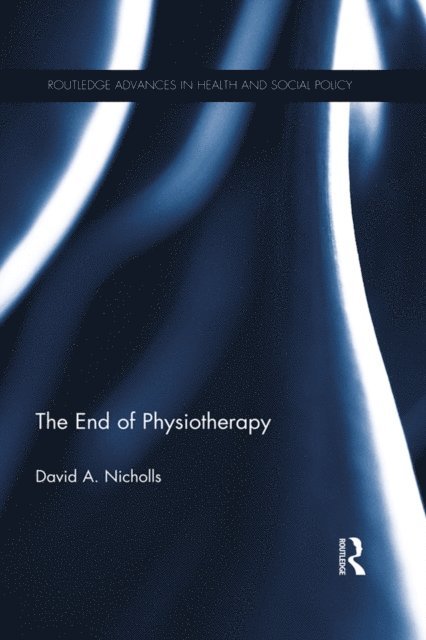
End of Physiotherapy
Häftad, 2019
831 kr
Lägg i varukorg
Physiotherapy is arriving at a critical point in its history. Since World War I, physiotherapy has been one of the largest allied health professions and the established provider of orthodox physical rehabilitation. But ageing populations of increasingly chronically ill people, a growing scepticism …
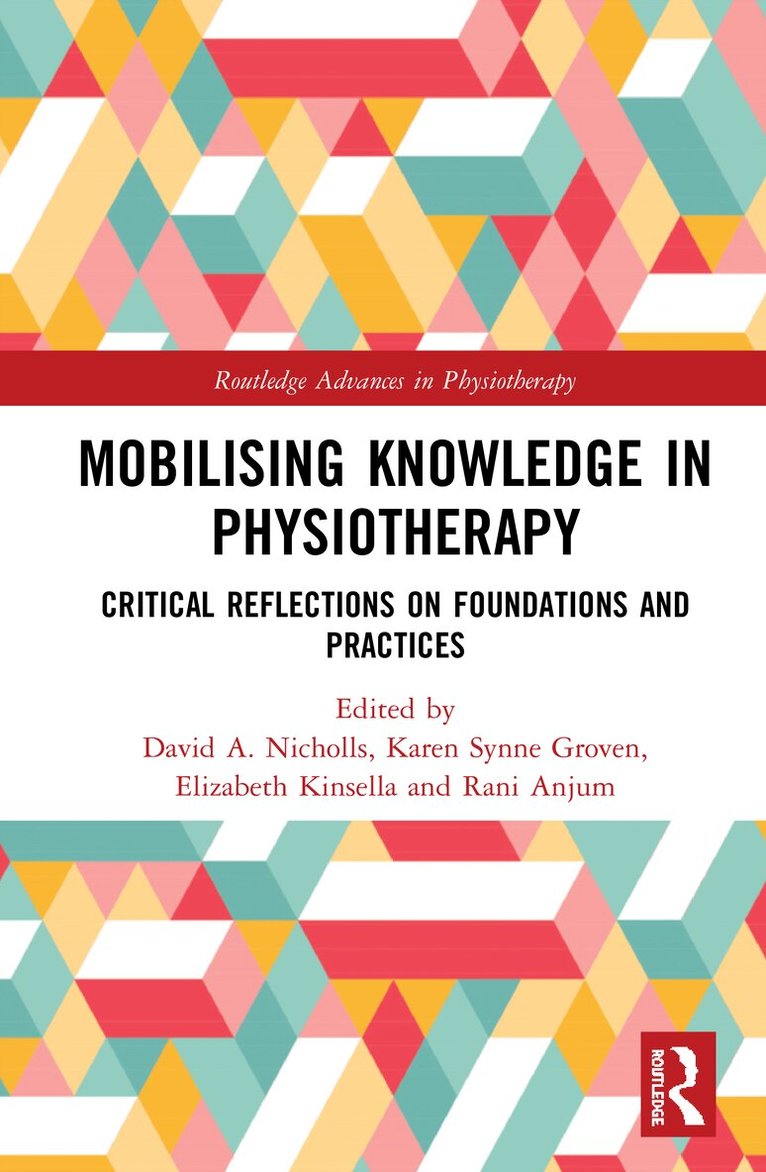
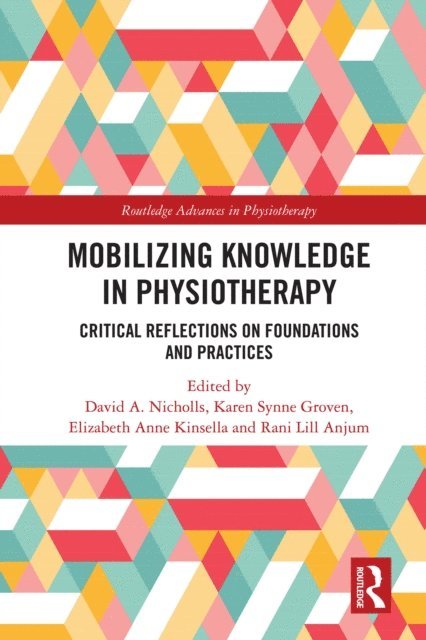
Mobilizing Knowledge in Physiotherapy
Critical Reflections on Foundations and Practices
Av David A. Nicholls, Karen Synne Groven m. fl.
Inbunden, 2020
2585 kr
Lägg i varukorg
Mobilizing Knowledge in Physiotherapy: Critical Reflections on Foundations and Practices is a collection of 15 collaboratively written critical essays, by 39 authors from 15 disciplines and seven countries. The book challenges some of the most important contemporary assumptions about physiotherapy …
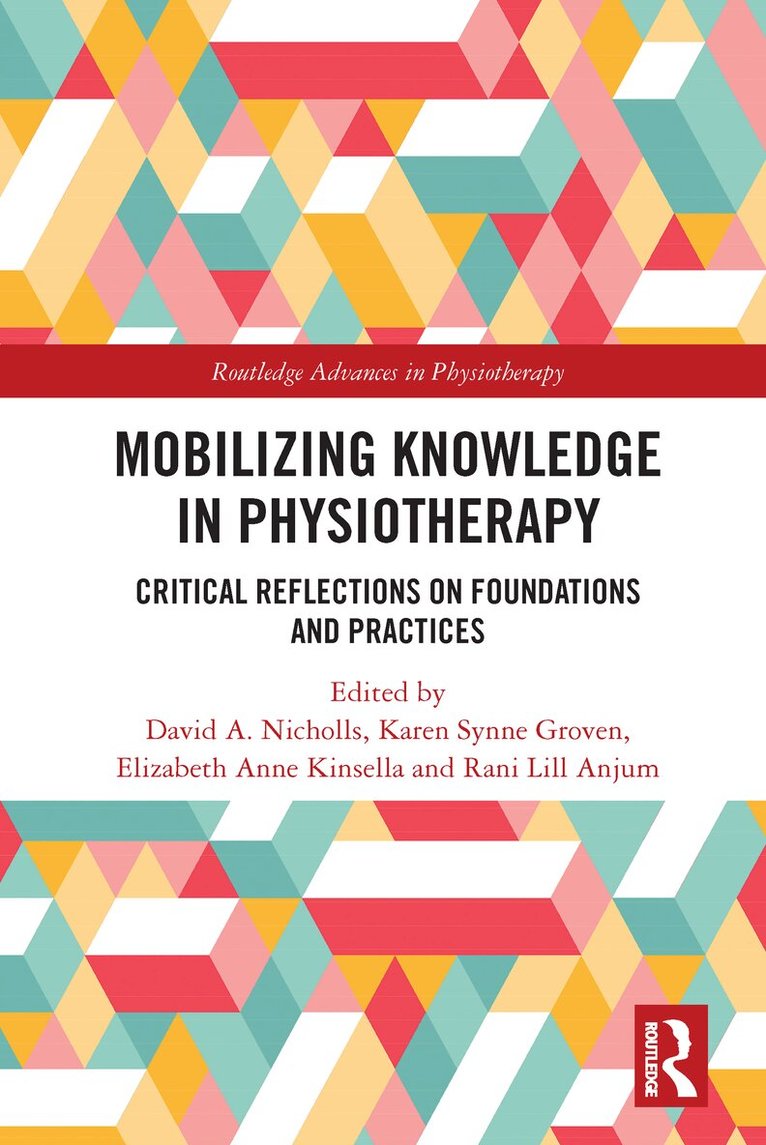
Mobilizing Knowledge in Physiotherapy
Critical Reflections on Foundations and Practices
Av David A. Nicholls, Karen Synne Groven m. fl.
Häftad, 2023
667 kr
Lägg i varukorg
Mobilizing Knowledge in Physiotherapy: Critical Reflections on Foundations and Practices is a collection of 15 collaboratively written critical essays, by 39 authors from 15 disciplines and seven countries. The book challenges some of the most important contemporary assumptions about physiotherapy …
Mobilizing Knowledge in Physiotherapy
Critical Reflections on Foundations and Practices
Av Rani Anjum, Elizabeth Kinsella m. fl.
E-bok, 2020
785 kr
Lägg i varukorg
Mobilizing Knowledge in Physiotherapy: Critical Reflections on Foundations and Practices is a collection of 15 collaboratively written critical essays, by 39 authors from 15 disciplines and seven countries. The book challenges some of the most important contemporary assumptions about physiotherapy …
Mobilizing Knowledge in Physiotherapy
Critical Reflections on Foundations and Practices
Av Rani Anjum, Elizabeth Kinsella m. fl.
E-bok, 2020
785 kr
Lägg i varukorg
Mobilizing Knowledge in Physiotherapy: Critical Reflections on Foundations and Practices is a collection of 15 collaboratively written critical essays, by 39 authors from 15 disciplines and seven countries. The book challenges some of the most important contemporary assumptions about physiotherapy …
Manipulating Practices
Av Jenny Setchell, Karen Synne Groven m. fl.
Inbunden, 2020
547 kr
Lägg i varukorg
"Manipulating practices is the first ever collection of critical physiotherapy studies and comes at a time of unprecedented change in the profession. Written as a collaboration between 20 authors, many members of the Critical Physiotherapy Network (CPN), the book uncovers the growing body of …
End of Physiotherapy
Inbunden, 2017
2825 kr
Lägg i varukorg
Physiotherapy is arriving at a critical point in its history. Since World War I, physiotherapy has been one of the largest allied health professions and the established provider of orthodox physical rehabilitation. But ageing populations of increasingly chronically ill people, a growing scepticism …
End of Physiotherapy
E-bok, 2017
960 kr
Lägg i varukorg
Physiotherapy is arriving at a critical point in its history. Since World War I, physiotherapy has been one of the largest allied health professions and the established provider of orthodox physical rehabilitation. But ageing populations of increasingly chronically ill people, a growing scepticism …
End of Physiotherapy
E-bok, 2017
981 kr
Lägg i varukorg
Physiotherapy is arriving at a critical point in its history. Since World War I, physiotherapy has been one of the largest allied health professions and the established provider of orthodox physical rehabilitation. But ageing populations of increasingly chronically ill people, a growing scepticism …