David A. Williamson - Böcker
Visar alla böcker från författaren David A. Williamson. Handla med fri frakt och snabb leverans.
6 produkter
6 produkter
354 kr
Skickas inom 10-15 vardagar
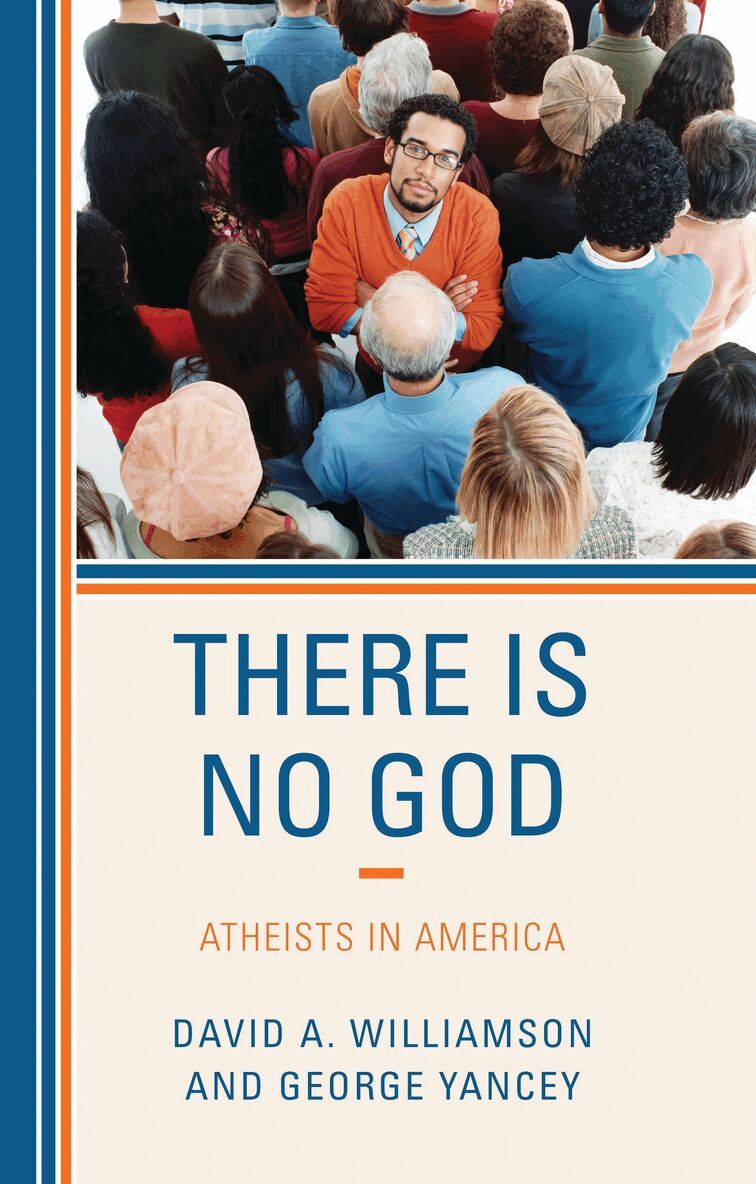
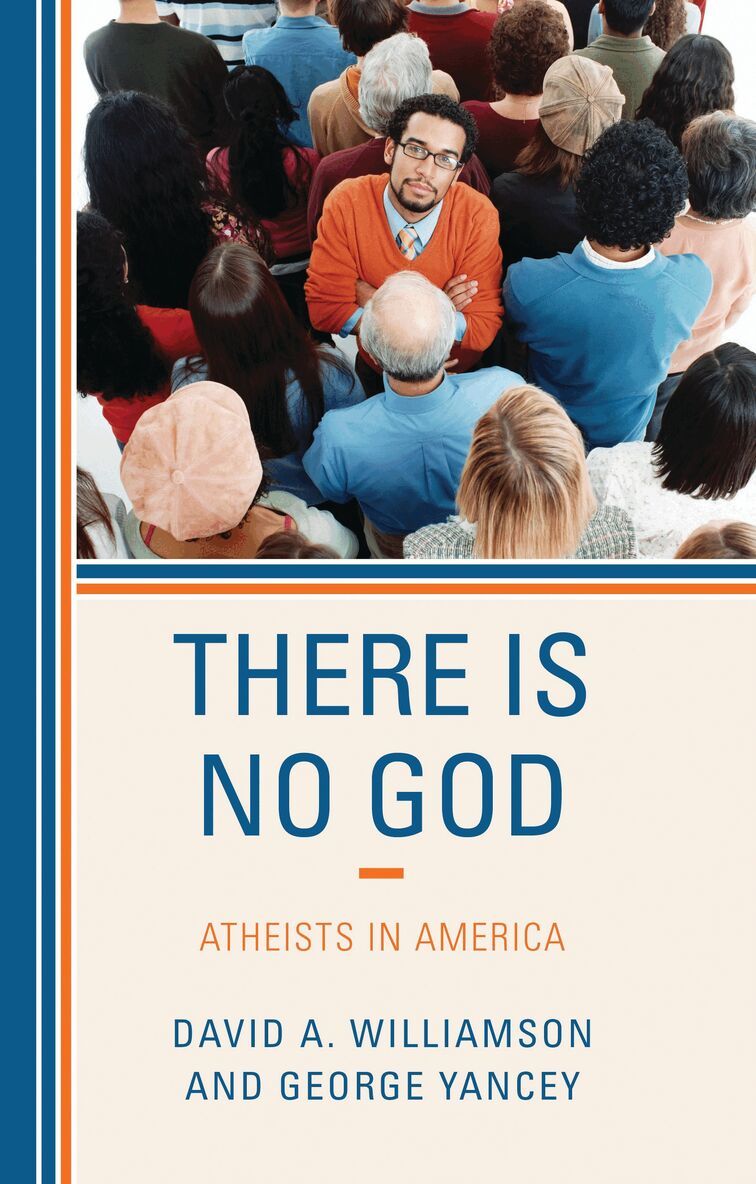
There Is No God: Atheists in America answers several questions pertaining to how the atheist population has grown from relatively small numbers to have a disproportionately large impact on important issues of our day, such as the separation of church and state, abortion, gay marriage, and public school curricula. Williamson and Yancey answer the common questions surrounding atheism. Just how common is the dismissal and derision of religion expressed by atheists? How are we to understand the world view of atheists and their motivations in political action and public discourse? Finally, is there any hope for rapprochement in the relationship of atheism and theism?In There Is No God, the authors begin with a brief history of atheism to set the stage for a better understanding of contemporary American atheism. They then explore how the relationship between religious and atheistic ideologies has evolved as each attempted to discredit the other in different ways at different times and under very different social and political circumstances. Although atheists are a relatively small minority, atheists appear to be growing in number and in their willingness to be identified as atheists and to voice their non-belief. As those voices of atheism increase it is essential that we understand how and why those who are defined by such a simple term as “non-believers in the existence of God” should have such social and political influence. The authors successfully answer the broader question of the apparent polarization of the religious and non-religious dimensions of American society.
159 kr
Skickas inom 5-8 vardagar
Strategy and the Use of Airpower on the Eastern Front
Lessons for the Airpower Strategist
Häftad, Engelska, 2012
620 kr
Skickas inom 5-8 vardagar
622 kr
Skickas inom 10-15 vardagar
There Is No God: Atheists in America answers several questions pertaining to how the atheist population has grown from relatively small numbers to have a disproportionately large impact on important issues of our day, such as the separation of church and state, abortion, gay marriage, and public school curricula. Williamson and Yancey answer the common questions surrounding atheism. Just how common is the dismissal and derision of religion expressed by atheists? How are we to understand the world view of atheists and their motivations in political action and public discourse? Finally, is there any hope for rapprochement in the relationship of atheism and theism?In There Is No God, the authors begin with a brief history of atheism to set the stage for a better understanding of contemporary American atheism. They then explore how the relationship between religious and atheistic ideologies has evolved as each attempted to discredit the other in different ways at different times and under very different social and political circumstances. Although atheists are a relatively small minority, atheists appear to be growing in number and in their willingness to be identified as atheists and to voice their non-belief. As those voices of atheism increase it is essential that we understand how and why those who are defined by such a simple term as “non-believers in the existence of God” should have such social and political influence. The authors successfully answer the broader question of the apparent polarization of the religious and non-religious dimensions of American society.
So Many Christians, So Few Lions
Is There Christianophobia in the United States?
Inbunden, Engelska, 2014
555 kr
Skickas inom 10-15 vardagar
So Many Christians, So Few Lions is a provocative look at anti-Christian sentiments in America. Drawing on both quantitative and qualitative research, authors George Yancey and David A. Williamson show that even though (or perhaps because) Christianity is the dominant religion in the United States, bias against Christians also exists—particularly against conservative Christians—and that this bias is worth understanding.The book does not attempt to show the prevalence of anti-Christian sentiments—called Christianophobia—but rather to document it, to dig into where and how it exists, to explore who harbors these attitudes, and to examine how this bias plays itself out in everyday life. Excerpts from the authors’ interviews highlight the fear and hatred that some people harbor towards Christians, especially the Christian right, and the ways these people exhibit elements of bigotry, prejudice, and dehumanization. The authors argue that understanding anti-Christian bias is important for understanding some social dynamics in America, and they offer practical suggestions to help reduce religious intolerance of all kinds.
What Motivates Cultural Progressives?
Understanding Opposition to the Political and Christian Right
Häftad, Engelska, 2022
423 kr
Skickas inom 10-15 vardagar
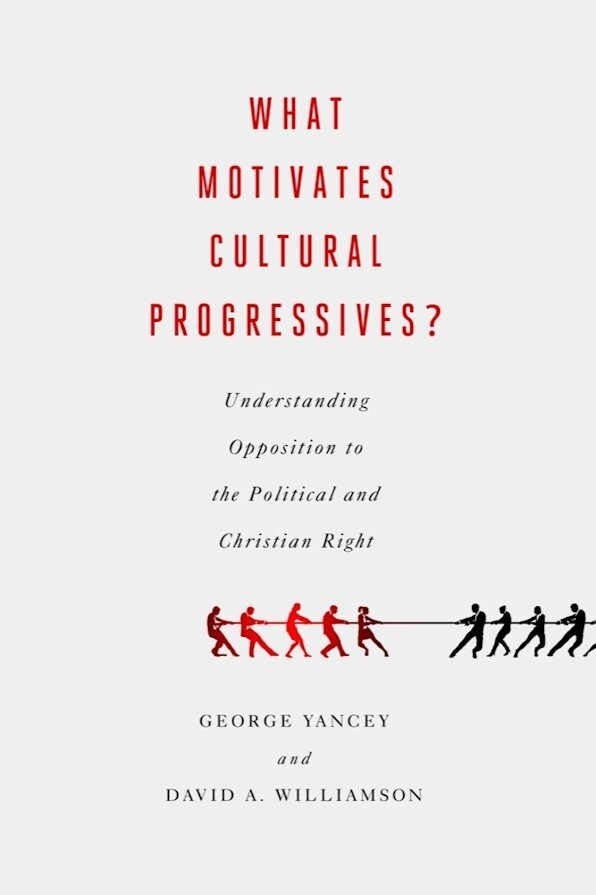
Public activism has grown significantly during the 21st century as a cornerstone of the democratic process. But activism, regardless of its ideological roots, is often interpreted through the lens of the culture wars―pitting social movements with opposing ideals against one another. For too long, as George Yancey and David Williamson argue, progressive activists, one side of these culture wars, have been seldom studied and virtually never critiqued in public conversation.Yancey and Williamson describe and analyze the multifaceted cultural progressive movement and its place within the larger American society. What they uncover is a collective identity informed by staunch opposition to cultural conservatives―both political and religious―that is motivated by the progressive activist's preference for absolute rationality. Further, Yancey and Williamson argue that, despite great resistance to conservatives purportedly nonrational appeals, progressive activists are found to use irrational techniques when seeking to establish their movement and position their cause as socially legitimate.In the contemporary heated political climate the often-surprising and likely controversial findings of What Motivates Cultural Progressives? will prove essential, thought-provoking reading for understanding the growing concern over the influence of activism.