David B. Gray – författare
Visar alla böcker från författaren David B. Gray. Handla med fri frakt och snabb leverans.
10 produkter
10 produkter
E-bok
Engelska, 2016351 kr
Läs direkt efter köp
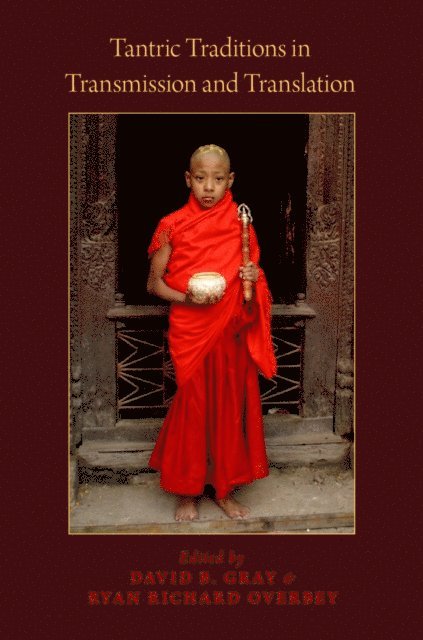
Tantric traditions in both Buddhism and Hinduism are thriving throughout Asia and in Asian diasporic communities around the world, yet they have been largely ignored by Western scholars until now. This collection of original essays fills this gap by examining the ways in which Tantric Buddhist traditions have changed over time and distance as they have spread across cultural boundaries in Asia.The book is divided into three sections dedicated to South Asia, Central Asia, and East Asia. The essays cover such topics as the changing ideal of masculinity in Buddhist literature, the controversy triggered by the transmission of the Indian Buddhist deity Heruka to Tibet in the 10th century, and the evolution of a Chinese Buddhist Tantric tradition in the form of the True Buddha School. The book as a whole addresses complex and contested categories in the field of religious studies, including the concept of syncretism and the various ways that the change and transformation of religious traditions can be described and articulated.The authors, leading scholars in Tantric studies, draw on a wide array of methodologies from the fields of history, anthropology, art history, and sociology. Tantric Traditions in Transmission and Translation is groundbreaking in its attempt to look past religious, linguistic, and cultural boundaries.
Inbunden, Engelska, 2024
1 022 kr
Skickas inom 7-10 vardagar
The tantric Buddhist traditions emerged in India beginning in the seventh century CE and flourished there until the demise of Buddhism in India circa the fifteenth century. These traditions were disseminated to Central, East, and Southeast Asia, and continue to be practiced, most notably in Nepal, Tibet and Japan, as well as in the numerous Tibetan traditions disseminated around the world by Tibetan masters living in diaspora. The central scriptures for these traditions were generally designated by the term tantra. Tantras are works that purport to relate secret teachings of the buddhas that enable awakening in as short as one lifetime. As such they are understood by their advocates to be the inspired speech of a buddha, and hence worthy of inclusion in the canons of Buddhist traditions. Over the past twenty years there has been considerable growth in the study of tantras as well as translations of these works into Western languages. This volume provides a detailed introduction to the Buddhist tantras. It addresses their development in India, their dissemination to Central, East and Southeast Asia, and their reception in these contexts. It introduces the key teachings in the tantras, as well as the history of their interpretation, and their connection to traditions of ritual, and contemplative practices.It also introduces the classification of the tantras and their place in Buddhist scriptural canons. It concludes with a look at the transgressive rhetoric that characterizes many of the tantras, the impact this had on their dissemination and translation, and the ways in which Buddhists explained this. It suggests that transgressive rhetoric and practices served an important role in Buddhist tantric traditions, which may be why they persist despite the challenges they have presented to the dissemination of these traditions.
Häftad, Engelska, 2023
279 kr
Skickas
The tantric Buddhist traditions emerged in India beginning in the seventh century CE and flourished there until the demise of Buddhism in India circa the fifteenth century. These traditions were disseminated to Central, East, and Southeast Asia, and continue to be practiced, most notably in Nepal, Tibet and Japan, as well as in the numerous Tibetan traditions disseminated around the world by Tibetan masters living in diaspora. The central scriptures for these traditions were generally designated by the term tantra. Tantras are works that purport to relate secret teachings of the buddhas that enable awakening in as short as one lifetime. As such they are understood by their advocates to be the inspired speech of a buddha, and hence worthy of inclusion in the canons of Buddhist traditions. Over the past twenty years there has been considerable growth in the study of tantras as well as translations of these works into Western languages. This volume provides a detailed introduction to the Buddhist tantras. It addresses their development in India, their dissemination to Central, East and Southeast Asia, and their reception in these contexts. It introduces the key teachings in the tantras, as well as the history of their interpretation, and their connection to traditions of ritual, and contemplative practices.It also introduces the classification of the tantras and their place in Buddhist scriptural canons. It concludes with a look at the transgressive rhetoric that characterizes many of the tantras, the impact this had on their dissemination and translation, and the ways in which Buddhists explained this. It suggests that transgressive rhetoric and practices served an important role in Buddhist tantric traditions, which may be why they persist despite the challenges they have presented to the dissemination of these traditions.
E-bok
PDF, Engelska, 2023199 kr
Läs direkt efter köp
The tantric Buddhist traditions emerged in India beginning in the seventh century CE and flourished there until the demise of Buddhism in India circa the fifteenth century. These traditions were disseminated to Central, East, and Southeast Asia, and continue to be practiced, most notably in Nepal, Tibet and Japan, as well as in the numerous Tibetan traditions disseminated around the world by Tibetan masters living in diaspora. The central scriptures for these traditions were generally designated by the term tantra. Tantras are works that purport to relate secret teachings of the buddhas that enable awakening in as short as one lifetime. As such they are understood by their advocates to be the inspired speech of a buddha, and hence worthy of inclusion in the canons of Buddhist traditions. Over the past twenty years there has been considerable growth in the study of tantras as well as translations of these works into Western languages. This volume provides a detailed introduction to the Buddhist tantras. It addresses their development in India, their dissemination to Central, East and Southeast Asia, and their reception in these contexts. It introduces the key teachings in the tantras, as well as the history of their interpretation, and their connection to traditions of ritual, and contemplative practices.It also introduces the classification of the tantras and their place in Buddhist scriptural canons. It concludes with a look at the transgressive rhetoric that characterizes many of the tantras, the impact this had on their dissemination and translation, and the ways in which Buddhists explained this. It suggests that transgressive rhetoric and practices served an important role in Buddhist tantric traditions, which may be why they persist despite the challenges they have presented to the dissemination of these traditions.
E-bok
Engelska, 2023199 kr
Läs direkt efter köp
The tantric Buddhist traditions emerged in India beginning in the seventh century CE and flourished there until the demise of Buddhism in India circa the fifteenth century. These traditions were disseminated to Central, East, and Southeast Asia, and continue to be practiced, most notably in Nepal, Tibet and Japan, as well as in the numerous Tibetan traditions disseminated around the world by Tibetan masters living in diaspora. The central scriptures for these traditions were generally designated by the term tantra. Tantras are works that purport to relate secret teachings of the buddhas that enable awakening in as short as one lifetime. As such they are understood by their advocates to be the inspired speech of a buddha, and hence worthy of inclusion in the canons of Buddhist traditions. Over the past twenty years there has been considerable growth in the study of tantras as well as translations of these works into Western languages. This volume provides a detailed introduction to the Buddhist tantras. It addresses their development in India, their dissemination to Central, East and Southeast Asia, and their reception in these contexts. It introduces the key teachings in the tantras, as well as the history of their interpretation, and their connection to traditions of ritual, and contemplative practices.It also introduces the classification of the tantras and their place in Buddhist scriptural canons. It concludes with a look at the transgressive rhetoric that characterizes many of the tantras, the impact this had on their dissemination and translation, and the ways in which Buddhists explained this. It suggests that transgressive rhetoric and practices served an important role in Buddhist tantric traditions, which may be why they persist despite the challenges they have presented to the dissemination of these traditions.
Inbunden, Engelska, 2016
1 661 kr
Skickas inom 5-8 vardagar
Tantric traditions in both Buddhism and Hinduism are thriving throughout Asia and in Asian diasporic communities around the world, yet they have been largely ignored by Western scholars until now. This collection of original essays fills this gap by examining the ways in which Tantric Buddhist traditions have changed over time and distance as they have spread across cultural boundaries in Asia.The book is divided into three sections dedicated to South Asia, Central Asia, and East and Southeast Asia. The essays cover such topics as the changing ideal of masculinity in Buddhist literature, the controversy triggered by the transmission of the Indian Buddhist deity Heruka to Tibet in the 10th century, and the evolution of a Chinese Buddhist Tantric tradition in the form of the True Buddha School. The book as a whole addresses complex and contested categories in the field of religious studies, including the concept of syncretism and the various ways that the change and transformation of religious traditions can be described and articulated.The authors, leading scholars in Tantric studies, draw on a wide array of methodologies from the fields of history, anthropology, art history, and sociology. Tantric Traditions in Transmission and Translation is groundbreaking in its attempt to look past religious, linguistic, and cultural boundaries.
Häftad, Engelska, 2016
419 kr
Skickas inom 5-8 vardagar
Tantric traditions in both Buddhism and Hinduism are thriving throughout Asia and in Asian diasporic communities around the world, yet they have been largely ignored by Western scholars until now. This collection of original essays fills this gap by examining the ways in which Tantric Buddhist traditions have changed over time and distance as they have spread across cultural boundaries in Asia.The book is divided into three sections dedicated to South Asia, Central Asia, and East and Southeast Asia. The essays cover such topics as the changing ideal of masculinity in Buddhist literature, the controversy triggered by the transmission of the Indian Buddhist deity Heruka to Tibet in the 10th century, and the evolution of a Chinese Buddhist Tantric tradition in the form of the True Buddha School. The book as a whole addresses complex and contested categories in the field of religious studies, including the concept of syncretism and the various ways that the change and transformation of religious traditions can be described and articulated.The authors, leading scholars in Tantric studies, draw on a wide array of methodologies from the fields of history, anthropology, art history, and sociology. Tantric Traditions in Transmission and Translation is groundbreaking in its attempt to look past religious, linguistic, and cultural boundaries.
E-bok
PDF, Engelska, 2016351 kr
Läs direkt efter köp
Tantric traditions in both Buddhism and Hinduism are thriving throughout Asia and in Asian diasporic communities around the world, yet they have been largely ignored by Western scholars until now. This collection of original essays fills this gap by examining the ways in which Tantric Buddhist traditions have changed over time and distance as they have spread across cultural boundaries in Asia.The book is divided into three sections dedicated to South Asia, Central Asia, and East Asia. The essays cover such topics as the changing ideal of masculinity in Buddhist literature, the controversy triggered by the transmission of the Indian Buddhist deity Heruka to Tibet in the 10th century, and the evolution of a Chinese Buddhist Tantric tradition in the form of the True Buddha School. The book as a whole addresses complex and contested categories in the field of religious studies, including the concept of syncretism and the various ways that the change and transformation of religious traditions can be described and articulated.The authors, leading scholars in Tantric studies, draw on a wide array of methodologies from the fields of history, anthropology, art history, and sociology. Tantric Traditions in Transmission and Translation is groundbreaking in its attempt to look past religious, linguistic, and cultural boundaries.
Inbunden, Engelska, 1985
677 kr
Skickas inom 10-15 vardagar
This volume fills the void created by the lack of a book-length, critical, and systematic treatment of ecological attitudes and behaviors. It emphasizes psychometrics and experimentation within a broad behavioral-cognitive framework focused on the natural world. Gray summarizes and integrates existing research and reviews major alternative approaches to measuring ecological attitudes, while presenting his own ecological attitude domain model. Russell Weigel and Richard Borden provide state-of-the-art reviews of the research on the relationship between ecological attitudes and actions and on the linkage between personality and ecological concern. Gray himself integrates the theoretical perspectives of social psychologists Milton Rokeach and Martin Fishbein in his construction of a paradigm for ecological change. Using this as background, he reviews existing behavioral studies, differentiating between those that rely on information and those that use reinforcement to produce a desired change in behavior. Finally, he suggests that the key to large-scale change is the creation of a true environmental ethic in our society.
E-bok
Engelska, 2019453 kr
Läs direkt efter köp
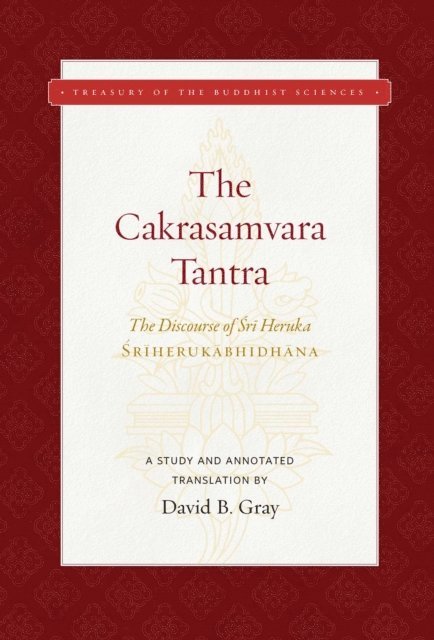
This is the first complete, critical English translation of the Cakrasamvara Tantra, also known as the Sriherukabhidhana and Laghusamvara.This is the first complete, critical English translation of the Cakrasamvara Tantra. Composed in India during the eighth century, it is a foundational scripture of one of the most important Indian Buddhist tantric traditions. The translator’s introductory essay provides an analysis of the historical and intellectual contexts in which the Cakrasamvara Tantra was composed. The heavily annotated translation was made on the basis of the surviving Sanskrit manuscripts of the tantra and its commentaries, parallel passages in related explanatory tantras (vyakhyatantra), two different Tibetan translations of the root text, and several Tibetan commentaries. Includes a trilingual glossary and index. The author has also translated the commentary on this tantra by the great Tibetan scholar Tsong Khapa (1357–1419), Illumination of the Hidden Meaning, now published in two companion volumes. Taken together, these three volumes provide the reader with the first full study in English of this pivotal tantra. Composed in India during the late eighth or early ninth century, the Cakrasamvara Tantra is a foundational scripture of one of the most important Indian Buddhist tantric traditions, as evidenced by the vast number of commentaries and ritual literature associated with it. Along with the Hevajra Tantra, it is one of the earliest and most influential of the yogini tantras, a genre of tantric Buddhist scripture that emphasizes female deities, particularly the often fiercely depicted yoginis and ?akinis.