David B. Weishampel - Böcker
Visar alla böcker från författaren David B. Weishampel. Handla med fri frakt och snabb leverans.
9 produkter
9 produkter
748 kr
Skickas inom 7-10 vardagar
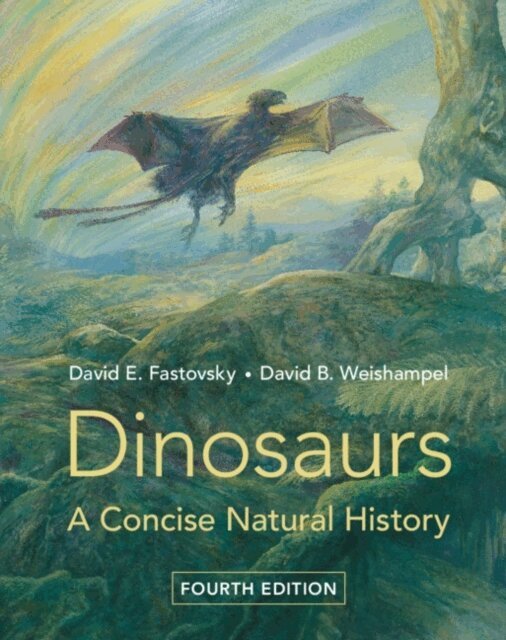
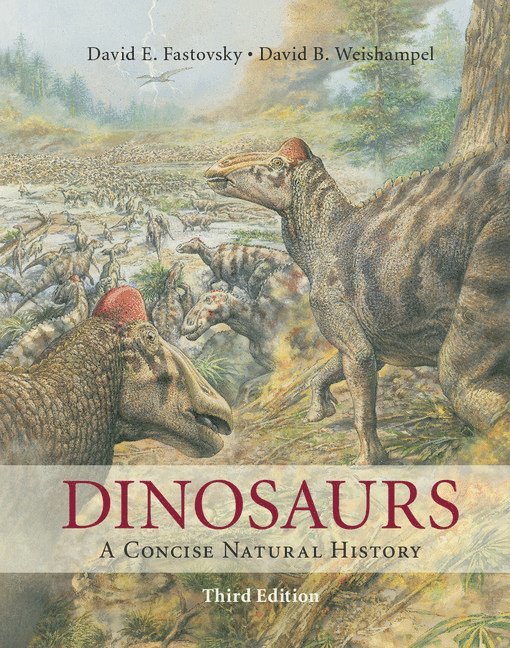
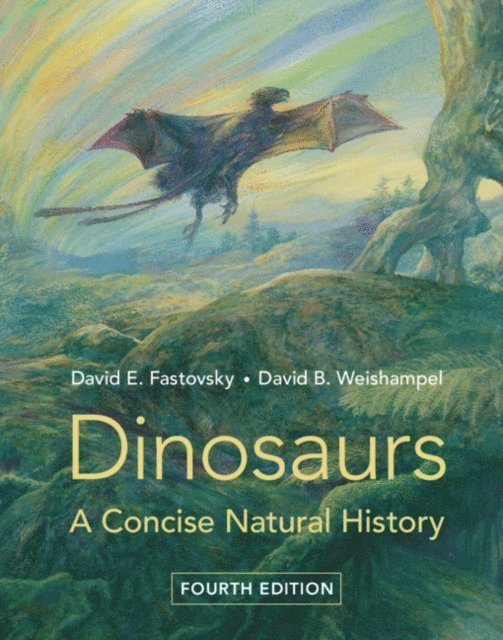
The ideal textbook for non-science majors, this lively and engaging introduction encourages students to ask questions, assess data critically and think like a scientist. Building on the success of previous editions, Dinosaurs has been thoroughly updated to include new discoveries in the field, such as the toothed bird specimens found in China and recent discoveries of dinosaur soft anatomy. Illustrations by leading paleontological illustrator John Sibbick and new, carefully-chosen photographs, clearly show how dinosaurs looked, lived and their role in Earth history. Making science accessible and relevant through clear explanations and extensive illustrations, the text guides students through the dinosaur groups, emphasizing scientific concepts rather than presenting endless facts. Grounded in the common language of modern evolutionary biology - phylogenetic systematics - students learn to think about dinosaurs the way that professional paleontologists do.
605 kr
Skickas
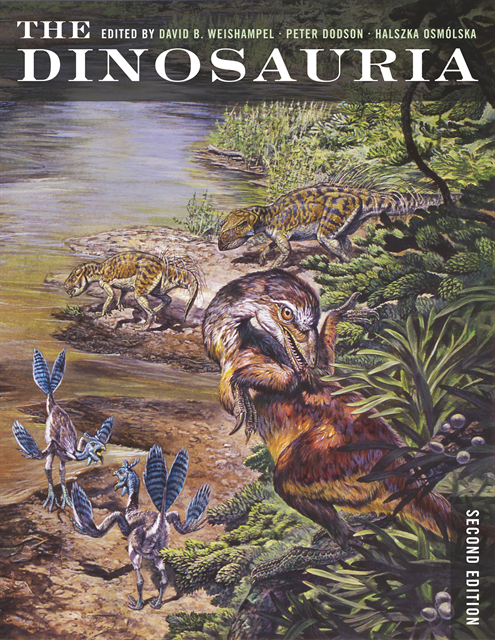
When "The Dinosauria" was first published more than a decade ago, it was hailed as 'the best scholarly reference work available on dinosaurs' and 'an historically unparalleled compendium of information.' This second, fully revised edition continues in the same vein as the first but encompasses the recent spectacular discoveries that have continued to revolutionize the field. A state-of-the-science view of current world research, the volume includes comprehensive coverage of dinosaur systematics, reproduction, and life history strategies, biogeography, taphonomy, paleoecology, thermoregulation, and extinction. Its internationally renowned authors - forty-four specialists on the various members of the Dinosauria - contribute definitive descriptions and illustrations of these magnificent Mesozoic beasts. The first section of "The Dinosauria" begins with the origin of the great clade of these fascinating reptiles, followed by separate coverage of each major dinosaur taxon, including the Mesozoic radiation of birds. The second part of the volume navigates through broad areas of interest.Here we find comprehensive documentation of dinosaur distribution through time and space, discussion of the interface between geology and biology, and the paleoecological inferences that can be made through this link. This new edition will be the benchmark reference for everyone who needs authoritative information on dinosaurs.
773 kr
Skickas inom 7-10 vardagar
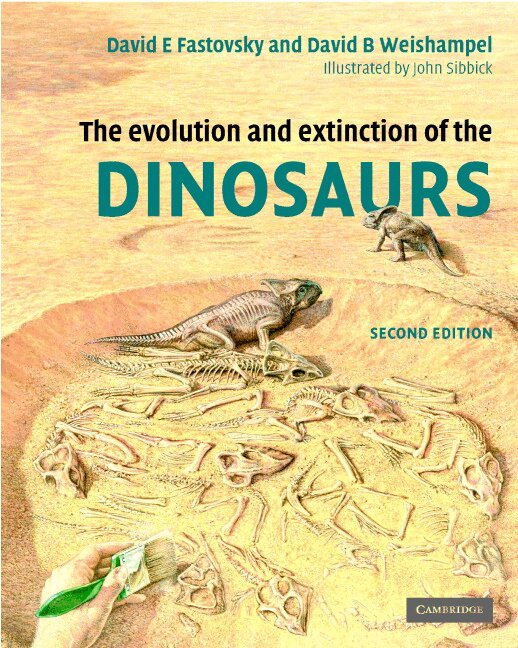
This 2005 edition of The Evolution and Extinction of the Dinosaurs is a unique, comprehensive treatment of this fascinating group of organisms. It is a detailed survey of dinosaur origins, their diversity, and their eventual extinction. The book can easily be used as a teaching textbook for a class, but it is also written as a series of readable, entertaining essays covering important and timely topics appealing to non-specialists and all dinosaur enthusiasts: birds as 'living dinosaurs', the new feathered dinosaurs from China, 'warm-bloodedness'. Along the way, the reader learns about dinosaur functional morphology, physiology, and systematics using cladistic methodology - in short, how professional paleontologists and dinosaur experts go about their work, and why they find it so rewarding. The book is spectacularly illustrated by John Sibbick, a world-famous illustrator of dinosaurs, commissioned exclusively for this book.
433 kr
Skickas inom 5-8 vardagar
The great dinosaur bone beds of the American and Canadian West are world famous and have yielded spectacular fossil finds. But the eastern United States and maritime Canada, where dinosaurs also roamed in great numbers, have been equally important to the study of these extraordinary creatures. Some dinosaur fossils have come from the bog iron and clay pits of Maryland and New Jersey, while others have been discovered in the riverbanks of North and South Carolina. Dinosaur footprint sites have been found from central Virginia to the Bay of Fundy in Nova Scotia. In Dinosaurs of the East Coast, David Weishampel and Luther Young restore East Coast dinosaurs to their rightful place on the paleontological map. They describe such dinosaurs as the plant-eating Astrodon johnstoni, which browsed in a tropical Maryland jungle 100 million years ago; Anchisaurus polyzelus, which lived in New England some 200 million years ago; Eubrontes, the first large therapod on the East Coast; Pekinosaurus olseni, a primitive ornithischian found in North Carolina; and Hadrosaurus foulkii, a duck-billed dinosaur that lived in New Jersey some 70 million years ago.In addition, they chronicle the long and colorful history of dinosaur fossil hunting along the Atlantic coast and profile the modern-day fossil hunters-both professional paleontologists and amateur collecters-who continue to make important discoveries today. Richly illustrated with more than one hundred photographs and drawings, Dinosaurs of the East Coast combines science and history to offer a new look at an always fascinating subject.
1 626 kr
Skickas inom 5-8 vardagar
2 031 kr
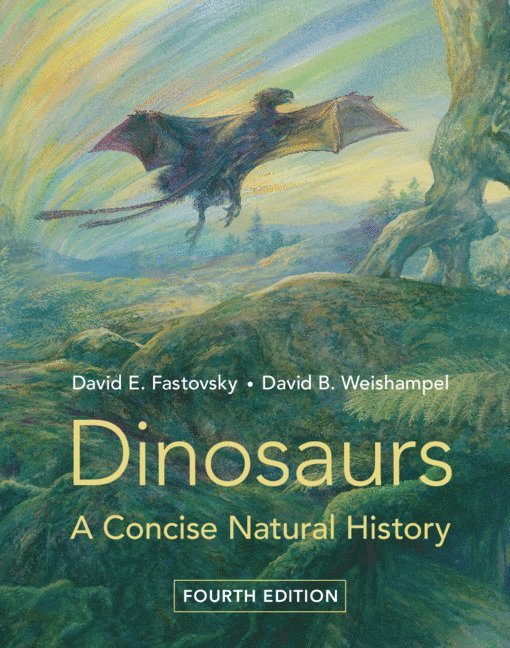
The ideal textbook for non-science majors, this lively and engaging introduction encourages students to ask questions, assess data critically and think like a scientist. Building on the success of previous editions, Dinosaurs has been thoroughly updated to include new discoveries in the field, such as the toothed bird specimens found in China and recent discoveries of dinosaur soft anatomy. Illustrations by leading paleontological illustrator John Sibbick and new, carefully-chosen photographs, clearly show how dinosaurs looked, lived and their role in Earth history. Making science accessible and relevant through clear explanations and extensive illustrations, the text guides students through the dinosaur groups, emphasizing scientific concepts rather than presenting endless facts. Grounded in the common language of modern evolutionary biology - phylogenetic systematics - students learn to think about dinosaurs the way that professional paleontologists do.
613 kr
Tillfälligt slut
At the end of the time of the dinosaurs, Transylvania was an island in what was to become southeastern Europe. The island's limited resources affected the size and life histories of its animals, resulting in a local dwarfism. For example, sauropods found on the island measured only six meters long, while their cousins elsewhere grew up to five times larger. Here, David B. Weishampel and Coralia-Maria Jianu present unique evolutionary interpretations of this phenomenon. The authors bring together the latest information on the fauna, flora, geology, and paleogeography of the region, casting these ancient reptiles in their phylogenetic, paleoecological, and evolutionary contexts. What the authors find is that Transylvanian dinosaurs experienced a range of unpredictable successes as they evolved. Woven throughout the detailed history and science of these diminutive dinosaurs is the fascinating story of the man who first discovered them, the mysterious twentieth-century paleontologist Franz Baron Nopcsa, whose name is synonymous with Transylvanian dinosaurs.Hailed by some as the father of paleobiology, it was Nopcsa alone who understood the importance of the dinosaur discoveries in Transylvania; their story cannot be told without recounting his. Transylvanian Dinosaurs strikes an engaging balance between biography and scientific treatise and is sure to capture the imagination of professional paleontologists and amateur dinophiles alike.
635 kr
Skickas inom 7-10 vardagar
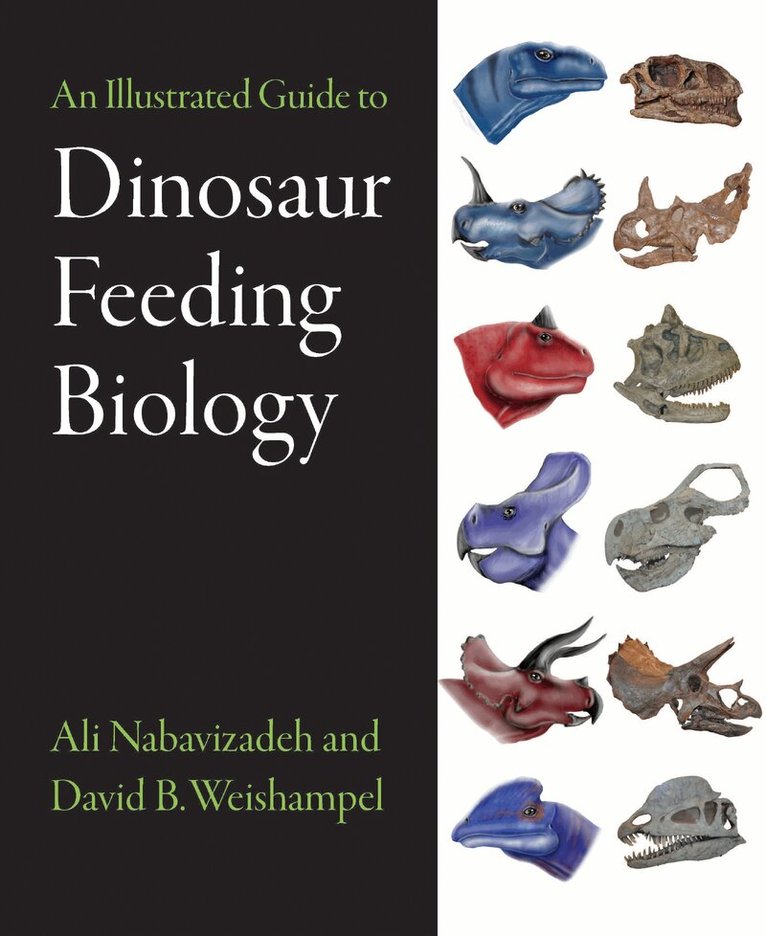
This beautifully illustrated exploration of the diversity, anatomy, and evolution of dinosaur feeding adaptations is the first and only in-depth look at this crucial aspect of paleoecology.In An Illustrated Guide to Dinosaur Feeding Biology, experts Ali Nabavizadeh and David B. Weishampel bring dinosaurs to life on the page by exploring and illustrating their feeding adaptations. Whether dinosaurs were carnivorous, herbivorous, or omnivorous, their evolution produced a multitude of specialized adaptations that helped shape their ecologies. Dinosaur skulls show a variety of bone and joint specializations ideal for withstanding stresses and strains induced by high bite forces with strong jaw musculature. The bladed, steak-knife dentition of many carnivorous dinosaurs was well-suited for slicing meat and crushing bones, while the leaf-shaped, sometimes tightly packed dentition of many herbivorous dinosaurs was ideal for grinding up a variety of plant material.The first book of its kind, An Illustrated Guide to Dinosaur Feeding Biology is a synthesis of over a century of dinosaur feeding biology research, from the earliest hypotheses in the 1800s to today's studies using advanced techniques. Intended for both researchers and dinosaur enthusiasts alike, this book discusses functional morphological studies highlighting comparative anatomy, tooth wear, muscle reconstruction, and biomechanical analysis using modeling techniques like finite element analysis and multibody dynamics analysis. In addition to the feeding apparatus, Nabavizadeh and Weishampel explore postcranial adaptations and discuss the evolution of dinosaurs and their paleoecology more broadly. Integrating these various factors improves our understanding of dinosaurs as the living beings they were in their ecosystems millions of years ago and ultimately expands our knowledge and perspective of today's ecosystems by framing them in a broader evolutionary context.
Del 87 - Advances in Anatomy, Embryology and Cell Biology
Evolution of Jaw Mechanisms in Ornithopod Dinosaurs
Häftad, Engelska, 1984
1 095 kr
Skickas inom 10-15 vardagar
The Ornithopoda, one of five suborders within the Ornithischia, was originally proposed by Marsh in 1881 to include those bipedal dinosaurs possessing a predentary bone fitted over the rostral end of the mandibles. Ornithopods as recognized today can be further characterized by moderately long facial skele- tons equipped with well-developed, often toothless premaxillae and moderate to large external nares. Maxillary and dentary dentitions vary but usually consist of at least one replacement series beneath the functional set; some have many rows of successional teeth. Tooth morphology suggests ornithopods were suc- cessful herbivores but, as will be discussed, the precise way(s) in which ornitho- pods chewed their food, hence lending important information about their tro- phic position, has not been settled. Postcranially, ornithopods show specializa- tion for bipedality in hindlimb construction and lack well-developed protective structures on their flanks, back, and tail.The Ornithopoda can itself be divided into five families: Fabrosauridae, He- terodontosauridae, Hypsilophodontidae, 19uanodontidae, and Hadrosauridae (subdivided into the subfamilies Hadrosaurinae and Lambeosaurinae). Both fabrosaurids and heterodontosaurids, first known from the Late Triassic and Early Jurassic of Argentina and South Africa, were small animals differing in details of cranial, dental, and appendicular anatomy. Fabrosaurids are be- lieved to represent the basal ornithopod stock (Galton 1972, 1978; Thulborn 1970a, 1972). During the Jurassic, ornithopods underwent major radiations that included the medium- to large-sized Hypsilophodontidae and the large- bodied Iguanodontidae, both of which survived into the Cretaceous.