David Bond – författare
Visar alla böcker från författaren David Bond. Handla med fri frakt och snabb leverans.
16 produkter
16 produkter
Inbunden, Engelska, 2022
1 083 kr
Skickas inom 5-8 vardagar
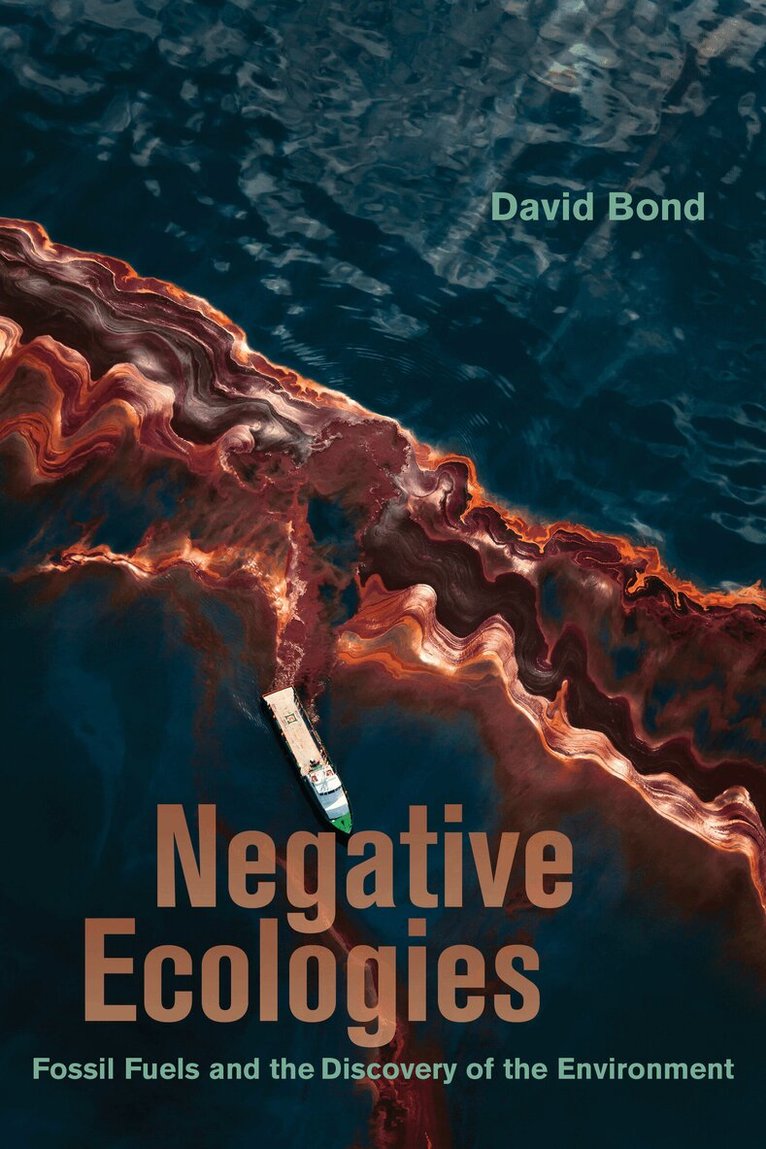
So much of what we know of clean water, clean air, and now a stable climate rests on how fossil fuels first disrupted them. Negative Ecologies is a bold reappraisal of the outsized role fossil fuels have played in making the environment visible, factual, and politically operable in North America. Following stories of hydrocarbon harm that lay the groundwork for environmental science and policy, this book brings into clear focus the dialectic between the negative ecologies of fossil fuels and the ongoing discovery of the environment. Exploring iconic sites of the oil economy, ranging from leaky Caribbean refineries to deepwater oil spills, from the petrochemical fallout of plastics manufacturing to the extractive frontiers of Canada, Negative Ecologies documents the upheavals, injuries, and disasters that have long accompanied fossil fuels and the manner in which our solutions have often been less about confronting the cause than managing the effects. This history of our present promises to re-situate scholarly understandings of fossil fuels and renovate environmental critique today. David Bond challenges us to consider what forms of critical engagement may now be needed to both confront the deleterious properties of fossil fuels and envision ways of living beyond them.
Häftad, Engelska, 2022
258 kr
Skickas inom 5-8 vardagar
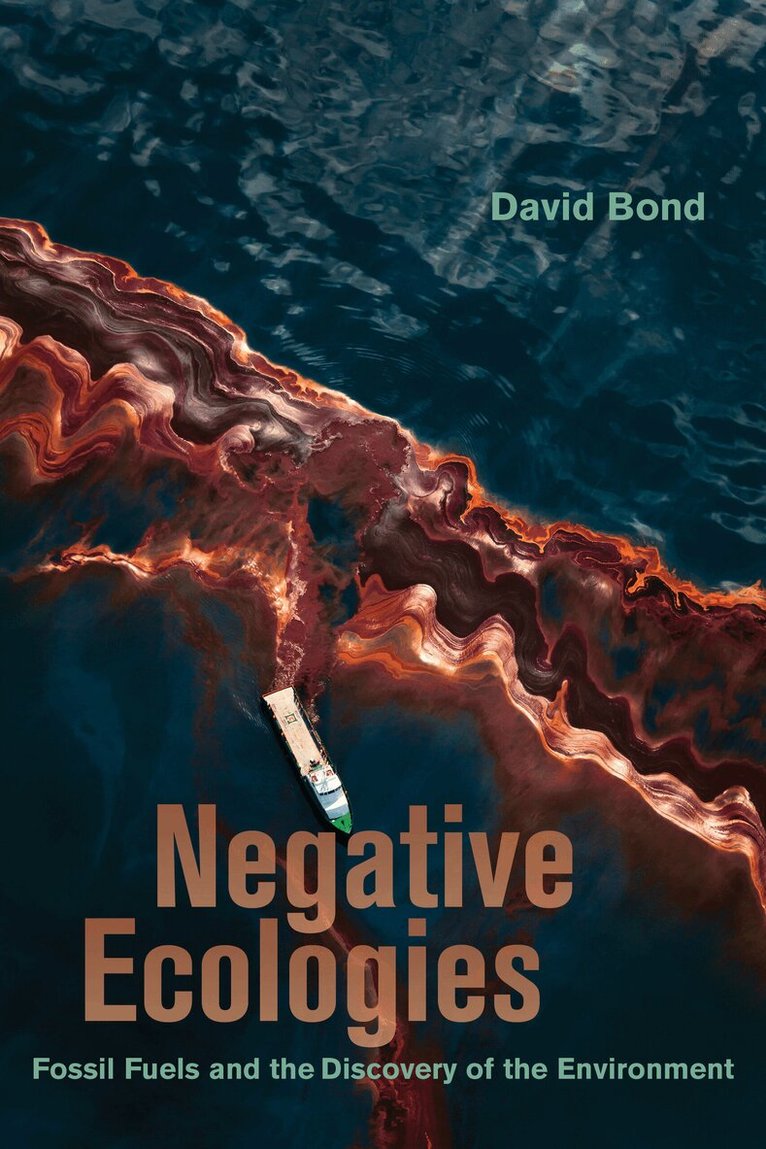
So much of what we know of clean water, clean air, and now a stable climate rests on how fossil fuels first disrupted them. Negative Ecologies is a bold reappraisal of the outsized role fossil fuels have played in making the environment visible, factual, and politically operable in North America. Following stories of hydrocarbon harm that lay the groundwork for environmental science and policy, this book brings into clear focus the dialectic between the negative ecologies of fossil fuels and the ongoing discovery of the environment. Exploring iconic sites of the oil economy, ranging from leaky Caribbean refineries to deepwater oil spills, from the petrochemical fallout of plastics manufacturing to the extractive frontiers of Canada, Negative Ecologies documents the upheavals, injuries, and disasters that have long accompanied fossil fuels and the manner in which our solutions have often been less about confronting the cause than managing the effects. This history of our present promises to re-situate scholarly understandings of fossil fuels and renovate environmental critique today. David Bond challenges us to consider what forms of critical engagement may now be needed to both confront the deleterious properties of fossil fuels and envision ways of living beyond them.

Häftad, Engelska, 2007
122 kr
Skickas inom 5-8 vardagar
Häftad, Engelska, 1968
174 kr
Skickas inom 5-8 vardagar
Published for the Private Planning Association of Canada as part of the Canada in the Atlantic Economy series, this book covers impact of trade liberalization on Canadian agriculture, prospects for trade liberalization in agriculture, as well as trade liberalization and the Canadian pulp and paper industry and trade liberalization and the Canadian furniture industry.
E-bok
PDF, Engelska, 1994351 kr
Läs direkt efter köp
Despite an impressive body of poems, novels, short stories, and literary criticism; high praise for his writing by French and Swiss critics; and a collection of honours that includes the prestigious Prix Goncourt, awarded for his novel L’Ogre in 1973, Jacques Chessex is relatively unknown outside France and Switzerland. With this book, David J. Bond provides the first comprehensive study of his work in any language-a study that reveals Chessex’s deep ambivalence towards his Calvinist heritage and his efforts to resolve this dilemma through his texts.Born in 1934 in Payerne, in the region of French-speaking Switzerland known as the Vaud, Chessex grew up amid the pervasive influence of the Calvinist church. His writing, which tells of Vaud society and the hypocrisy of many of its leading members, reveals his preoccupation with a rigid morality, sin, remorse, and death. Bond shows that while Chessex uses his texts to escape this heritage and affirm alternative values, particularly sexual pleasure and enjoyment of life, his writing reveals a deep nostalgia for the stability and security of a strict religious system in a world that he finds unstable and even absurd without it. Chessex looks to the text as a univocal organizing principle that might impose order and sense. Bond sees in Chessex’s writing an attempt to find unity in opposing values, to establish contact with others, and to overcome an obsession with death and the passing of time.
E-bok
PDF, Engelska, 1968189 kr
Läs direkt efter köp
Published for the Private Planning Association of Canada as part of the Canada in the Atlantic Economy series, this book covers impact of trade liberalization on Canadian agriculture, prospects for trade liberalization in agriculture, as well as trade liberalization and the Canadian pulp and paper industry and trade liberalization and the Canadian furniture industry.
E-bok
Engelska, 1994422 kr
Läs direkt efter köp
Despite an impressive body of poems, novels, short stories, and literary criticism; high praise for his writing by French and Swiss critics; and a collection of honours that includes the prestigious Prix Goncourt, awarded for his novel L’Ogre in 1973, Jacques Chessex is relatively unknown outside France and Switzerland. With this book, David J. Bond provides the first comprehensive study of his work in any language-a study that reveals Chessex’s deep ambivalence towards his Calvinist heritage and his efforts to resolve this dilemma through his texts.Born in 1934 in Payerne, in the region of French-speaking Switzerland known as the Vaud, Chessex grew up amid the pervasive influence of the Calvinist church. His writing, which tells of Vaud society and the hypocrisy of many of its leading members, reveals his preoccupation with a rigid morality, sin, remorse, and death. Bond shows that while Chessex uses his texts to escape this heritage and affirm alternative values, particularly sexual pleasure and enjoyment of life, his writing reveals a deep nostalgia for the stability and security of a strict religious system in a world that he finds unstable and even absurd without it. Chessex looks to the text as a univocal organizing principle that might impose order and sense. Bond sees in Chessex’s writing an attempt to find unity in opposing values, to establish contact with others, and to overcome an obsession with death and the passing of time.
E-bok
Engelska, 1968236 kr
Läs direkt efter köp
Published for the Private Planning Association of Canada as part of the Canada in the Atlantic Economy series, this book covers impact of trade liberalization on Canadian agriculture, prospects for trade liberalization in agriculture, as well as trade liberalization and the Canadian pulp and paper industry and trade liberalization and the Canadian furniture industry.
Häftad, Engelska, 1994
296 kr
Skickas inom 5-8 vardagar
Despite an impressive body of poems, novels, short stories, and literary criticism; high praise for his writing by French and Swiss critics; and a collection of honours that includes the prestigious Prix Goncourt, awarded for his novel L’Ogre in 1973, Jacques Chessex is relatively unknown outside France and Switzerland. With this book, David J. Bond provides the first comprehensive study of his work in any language-a study that reveals Chessex’s deep ambivalence towards his Calvinist heritage and his efforts to resolve this dilemma through his texts.Born in 1934 in Payerne, in the region of French-speaking Switzerland known as the Vaud, Chessex grew up amid the pervasive influence of the Calvinist church. His writing, which tells of Vaud society and the hypocrisy of many of its leading members, reveals his preoccupation with a rigid morality, sin, remorse, and death. Bond shows that while Chessex uses his texts to escape this heritage and affirm alternative values, particularly sexual pleasure and enjoyment of life, his writing reveals a deep nostalgia for the stability and security of a strict religious system in a world that he finds unstable and even absurd without it. Chessex looks to the text as a univocal organizing principle that might impose order and sense. Bond sees in Chessex’s writing an attempt to find unity in opposing values, to establish contact with others, and to overcome an obsession with death and the passing of time.
Häftad, Engelska
276 kr
Skickas inom 3-6 vardagar
167 kr
Skickas inom 11-20 vardagar
Häftad, Engelska, 2015
165 kr
Skickas
Häftad, Engelska, 2020
1 217 kr
Skickas inom 3-6 vardagar
Häftad, Engelska, 2020
481 kr
Skickas inom 3-6 vardagar
Inbunden, Engelska, 2022
1 170 kr
Skickas inom 5-8 vardagar
E-bok
Spanska, 2022100 kr
Läs direkt efter köp
¿Qué significa ser humano en un mundo en el que las fronteras entre cultura y naturaleza son cada vez más porosas? ¿Qué prácticas éticas son posibles cuando se reconoce el papel que los no humanos desempeñan en la constitución de este y de otros mundos? En antropología, la aproximación a estas preguntas se presenta como un conjunto de posturas teóricas y metodológicas denominado giro ontológico. Este libro compila una variedad de perspectivas teóricas y etnográficas que matizan e incluso polemizan los fundamentos y alcances de este giro. Desde pieles animales que actúan como membranas protectoras contra las emanaciones peligrosas de los tesoros enterrados, procedimientos chamanísticospara restablecer el equilibrio cósmico de cuerpos y lugares, pasando por esculturas que actualizan duelos provocados por las acciones más cruentas de la guerra, tecnologías sonoras que transgreden géneros y prácticas musicales, hasta la emergencia de órganos anatómicos abiertos a la sensibilidad de manos que no están entrena- das para percibirlos, los textos de este volumen nos invitan a reflexionar sobre el tipo de realidades que se conjuran una vez que se desestabiliza la escisión ontológica entre naturaleza y cultura.