David Brydan – författare
Visar alla böcker från författaren David Brydan. Handla med fri frakt och snabb leverans.
15 produkter
15 produkter
Inbunden, Engelska, 2019
1 448 kr
Skickas inom 5-8 vardagar
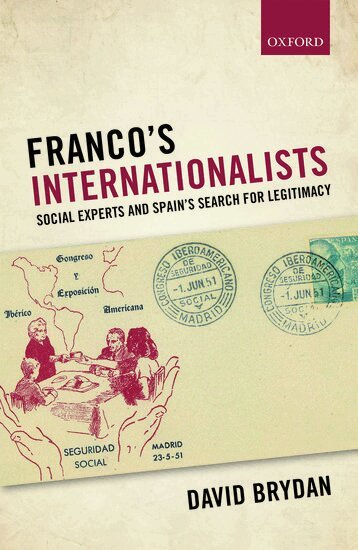
Despite the repression, violence, and social hardship which characterised Spanish life in the 1940s and 1950s, the Franco regime sought to win popular support by promoting its apparent commitment to social justice. David Brydan reveals the vital role which the idea of the Francoist 'social state' also played in the regime's ongoing search for international legitimacy. Using research from eighteen archives across six countries, Brydan shows how social experts, particularly those working in the fields of public health, medicine, and social insurance, were at the forefront of efforts to promote the regime abroad. By working with international organisations in Geneva, Paris, and New York and with transnational networks of colleagues across Europe, Africa, and Latin America, they sought to sell the idea of Franco's Spain as a respectable, modern, and socially-just state. They were internationalists, but they were Franco's internationalists.In telling this story, the study disrupts our understanding of the modern history of internationalism. Exploring what it meant for Francoist experts to think and act internationally, it challenges dominant accounts of internationalism as a liberal, progressive movement by foregrounding the history of fascist, nationalist, imperialist, and religious forms of international cooperation. It also brings into focus the overlooked continuities between international structures and projects before and after 1945. The case of Spain reveals the contested and heterogeneous nature of mid-twentieth century internationalism, characterised by the competition between overlapping global, regional, and imperial projects.
Inbunden, Engelska, 2021
1 536 kr
Skickas inom 10-15 vardagar
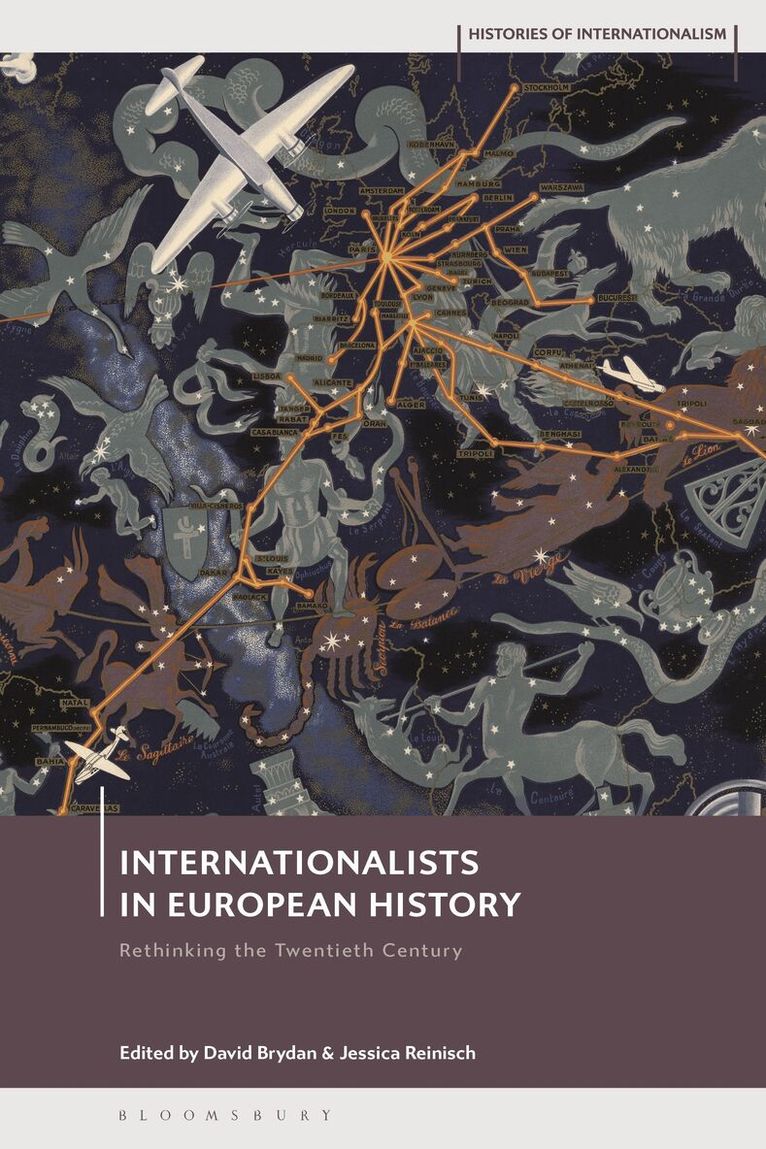
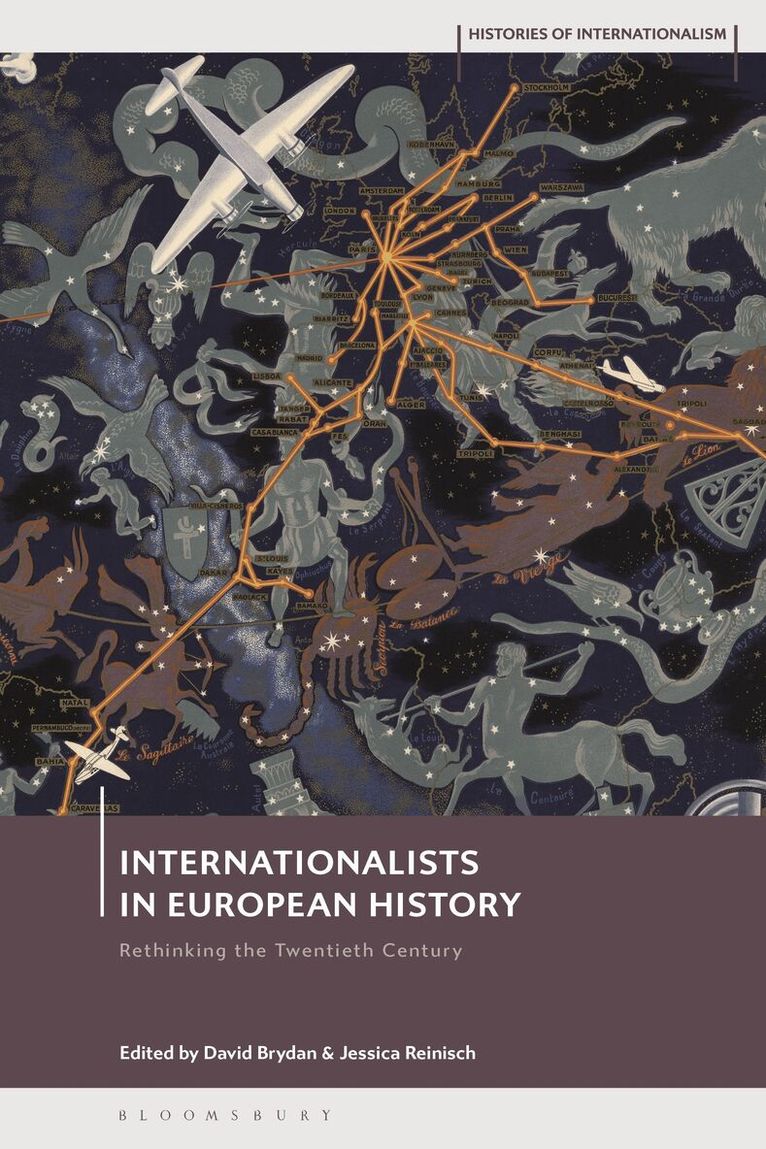
Representing a crucial intervention in the history of internationalism, transnationalism and global history, this edited collection examines a variety of international movements, organisations and projects developed in Europe or by Europeans over the course of the 20th century. Reacting against the old Eurocentricism, much of the scholarship in the field has refocussed attention on other parts of the globe. This volume attempts to rethink the role played by ideas, people and organisations originating or located in Europe, including some of their consequential global impact. The chapters cover aspects of internationalism such as the importance of language, communication and infrastructures of internationalism; ways of grappling with the history of internationalism as a lived experience; and the roles of European actors in the formulation of different and often competing models of internationalism. It demonstrates that the success and failure of international programmes were dependent on participants' ability to communicate across linguistic but also political, cultural and economic borders. By bringing together commonly disconnected strands of European history and 'history from below', this volume rebalances and significantly advances the field, and promotes a deeper understanding of internationalism in its many historical guises. The volume is conceived as a way of thinking about internationalism that is relevant not just to scholars of Europe, but to international and global history more generally.
Inbunden, Engelska, 2021
1 536 kr
Skickas inom 10-15 vardagar
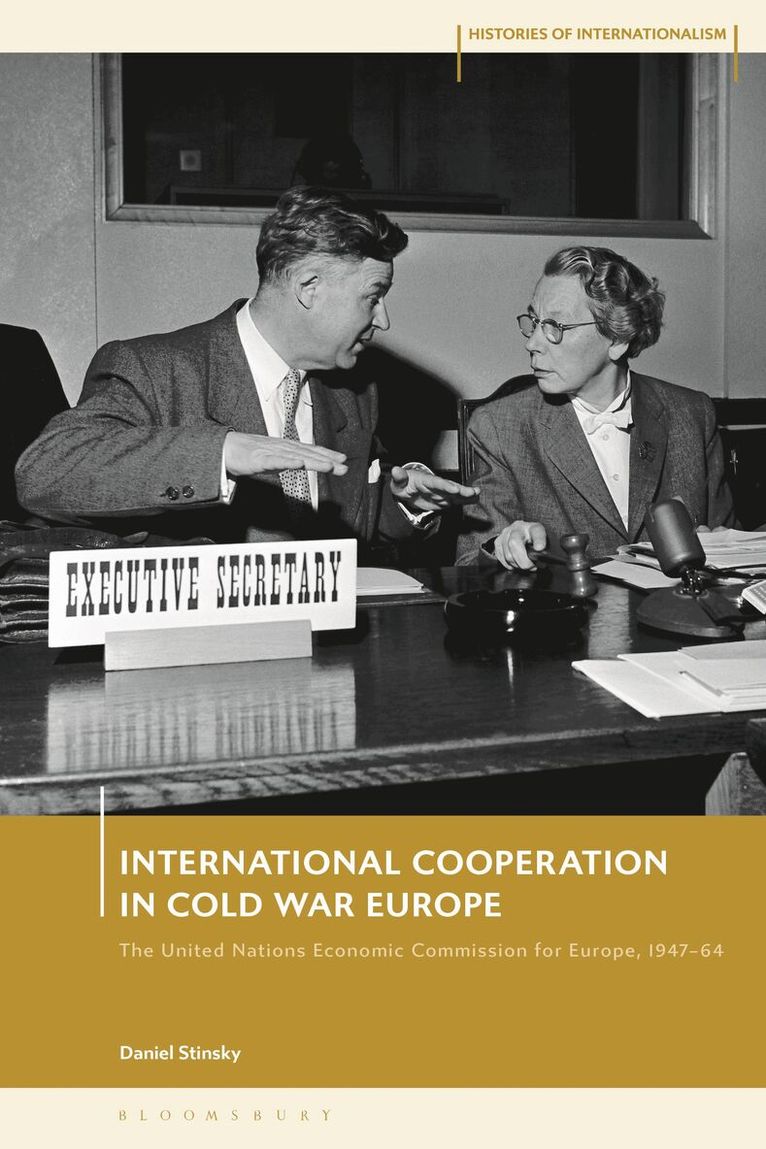
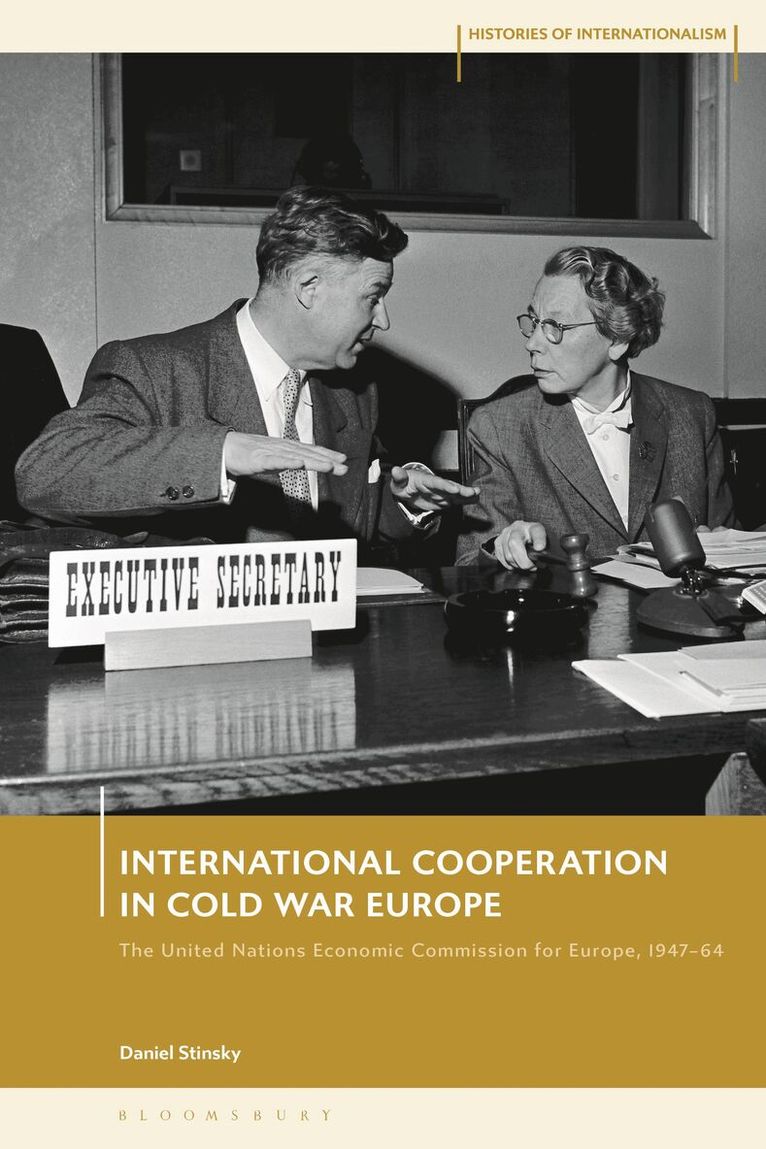
Formed in 1947, the United Nations Economic Commission for Europe (UNECE) was the first postwar international organization dedicated to economic cooperation in Europe. Linking the universalism of the UN to European regionalism, both Cold War superpowers, the USA and the Soviet Union, were founding members of the UNECE. Building on the League of Nations’ difficult heritage, and in an increasingly challenging political environment, the UNECE’s mission was to facilitate European cooperation transcending the boundaries set by the Cold War . With a number of competitor organizations set against it, the UNECE managed to carve out a niche for itself, setting norms and standards that still have an impact on the everyday lives of millions in Europe and beyond today. Working against an overwhelming geopolitical trend, UNECE succeeded in bridging the Cold War divide on several occasions, and maintained a broad system of contacts across the Iron Curtain.This book provides a unique study of this important but hitherto under-researched international organization. Incorporating research on the Cold War, the history of internationalism and European integration, Stinsky weaves these different threads of historical enquiry into a single analytical narrative.
Häftad, Engelska, 2022
452 kr
Skickas inom 10-15 vardagar
Formed in 1947, the United Nations Economic Commission for Europe (UNECE) was the first postwar international organization dedicated to economic cooperation in Europe. Linking the universalism of the UN to European regionalism, both Cold War superpowers, the USA and the Soviet Union, were founding members of the UNECE. Building on the League of Nations’ difficult heritage, and in an increasingly challenging political environment, the UNECE’s mission was to facilitate European cooperation transcending the boundaries set by the Cold War . With a number of competitor organizations set against it, the UNECE managed to carve out a niche for itself, setting norms and standards that still have an impact on the everyday lives of millions in Europe and beyond today. Working against an overwhelming geopolitical trend, UNECE succeeded in bridging the Cold War divide on several occasions, and maintained a broad system of contacts across the Iron Curtain.This book provides a unique study of this important but hitherto under-researched international organization. Incorporating research on the Cold War, the history of internationalism and European integration, Stinsky weaves these different threads of historical enquiry into a single analytical narrative.
Inbunden, Engelska, 2024
1 258 kr
Skickas inom 10-15 vardagar
As ideologies such as communism, fascism and various nationalisms vied for global domination during the first half of the 20th century, this book shows how a specific group of individuals - a cosmopolitan elite - became representatives of those ideologies the world over. Centering on the Indian intellectual M.N Roy, Cosmopolitan Elites and the Making of Globality situates his life within various social circles that covered several ideological realms and continents. An example of an individual who represented ideologies such as anticolonial nationalism, communism and humanism, Roy is identified as unusual but by no means singular in this capacity, and shows how other elites were similarly able to represent ideologies that sought to make the world anew. This book explores how Roy and his peers and competitors became a political elite as they cultivated a cosmopolitan reputation that meant they were taken seriously even when speaking of regions outside of their own. By considering the social and performative practices that turned them into credible, global, cosmopolitans, Wolters uncovers the exclusive basis on which the universal claims of world-changing ideologies were made.
Häftad, Engelska, 2025
410 kr
Skickas inom 10-15 vardagar
As ideologies such as communism, fascism and various nationalisms vied for global domination during the first half of the 20th century, this book shows how a specific group of individuals - a cosmopolitan elite - became representatives of those ideologies the world over. Centering on the Indian intellectual M.N Roy, Cosmopolitan Elites and the Making of Globality situates his life within various social circles that covered several ideological realms and continents. An example of an individual who represented ideologies such as anticolonial nationalism, communism and humanism, Roy is identified as unusual but by no means singular in this capacity, and shows how other elites were similarly able to represent ideologies that sought to make the world anew. This book explores how Roy and his peers and competitors became a political elite as they cultivated a cosmopolitan reputation that meant they were taken seriously even when speaking of regions outside of their own. By considering the social and performative practices that turned them into credible, global, cosmopolitans, Wolters uncovers the exclusive basis on which the universal claims of world-changing ideologies were made.
Inbunden, Engelska, 2023
1 258 kr
Skickas inom 10-15 vardagar
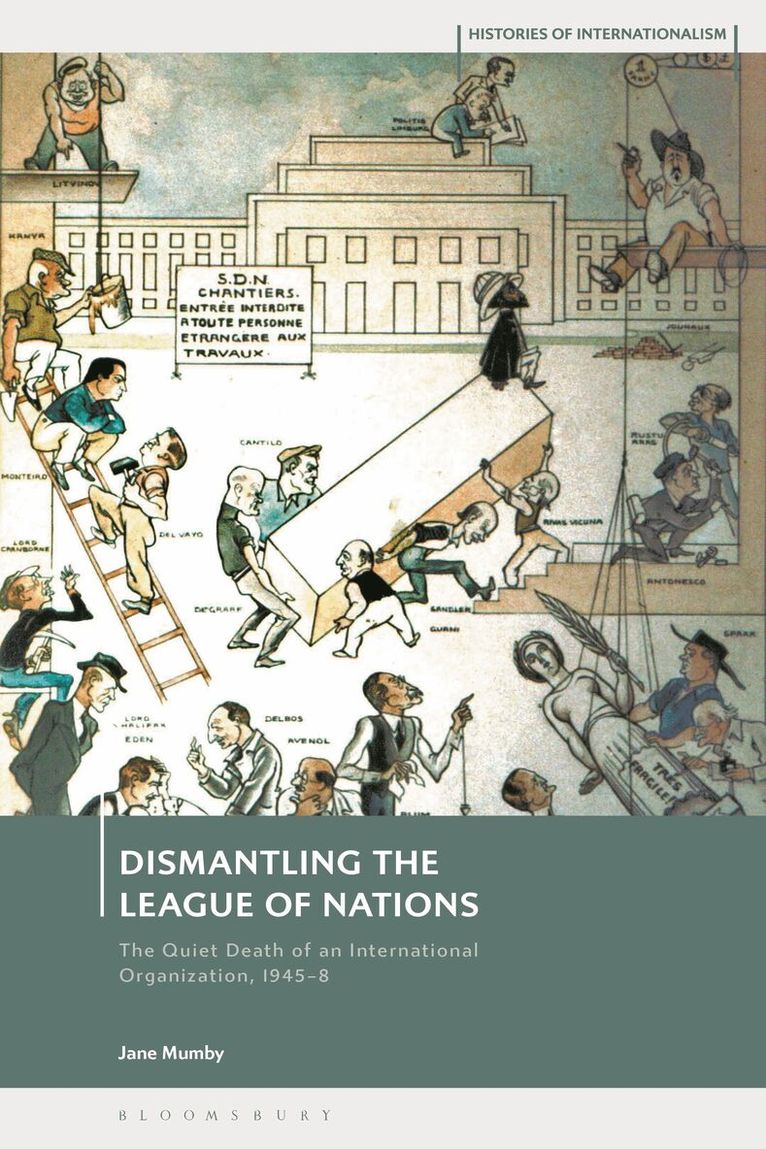
The League of Nations, one of the world’s first multi-function intergovernmental organisations, was also one of the first to undergo liquidation. This book unveils the last chapter in its story, showing how complex and time-consuming the end of this ‘great experiment’ truly was.Starting with the signing of the Charter of the United Nations in 1945 - the death knell of the League - Mumby traces the closure process that followed. From the final meeting of the Assembly in April 1946, the transfer of assets and functions to the UN, the liquidation of the Secretariat, and the last acts of business through 1948, this book follows the story through the eyes of those who made it happen. It demonstrates why this process took longer than expected, highlights the importance of human agency in even the most bureaucratic of institutions, and points to the lingering impact of the League on international organisations today.Uncovering both the institutional and personal aspects of the League of Nations’ final chapter, this book furthers our understanding of this famous institution, shedding light on those that continue to dominate contemporary international relations, and exposing the unavoidable complexity of dismantling an intergovernmental organisation.
Häftad, Engelska, 2025
410 kr
Skickas inom 10-15 vardagar
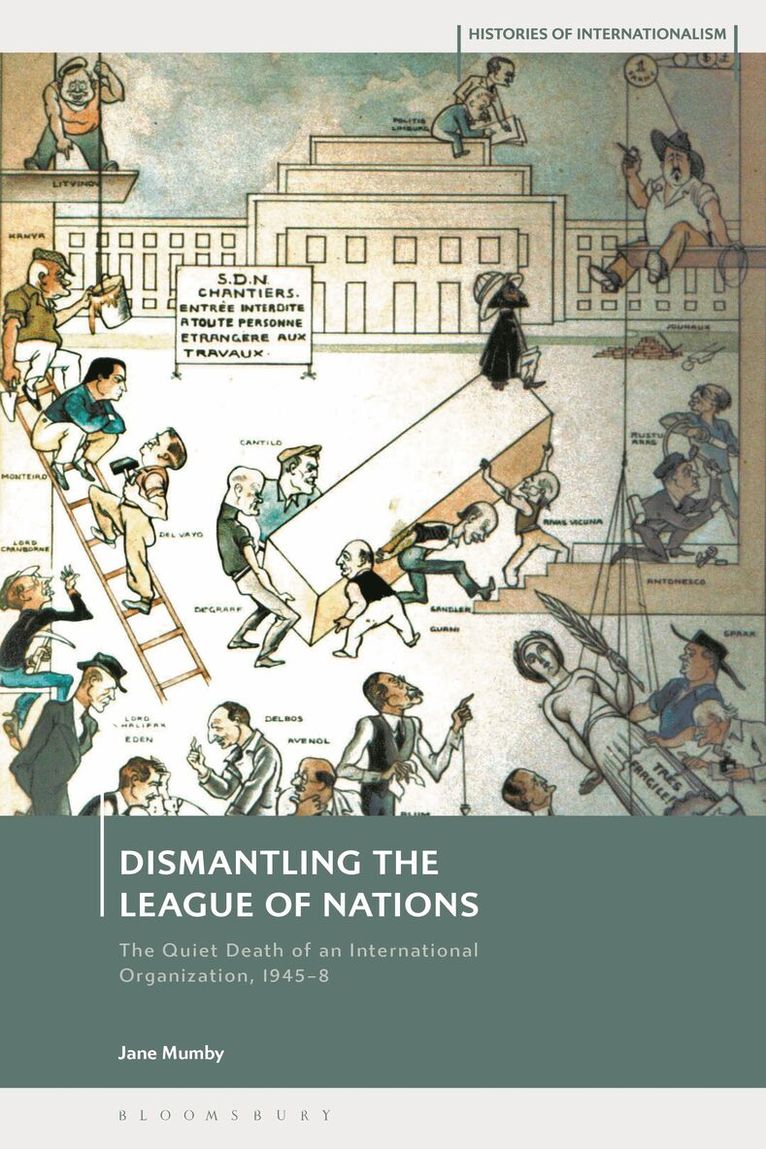
The League of Nations, one of the world’s first multi-function intergovernmental organisations, was also one of the first to undergo liquidation. This book unveils the last chapter in its story, showing how complex and time-consuming the end of this ‘great experiment’ truly was.Starting with the signing of the Charter of the United Nations in 1945 - the death knell of the League - Mumby traces the closure process that followed. From the final meeting of the Assembly in April 1946, the transfer of assets and functions to the UN, the liquidation of the Secretariat, and the last acts of business through 1948, this book follows the story through the eyes of those who made it happen. It demonstrates why this process took longer than expected, highlights the importance of human agency in even the most bureaucratic of institutions, and points to the lingering impact of the League on international organisations today.Uncovering both the institutional and personal aspects of the League of Nations’ final chapter, this book furthers our understanding of this famous institution, shedding light on those that continue to dominate contemporary international relations, and exposing the unavoidable complexity of dismantling an intergovernmental organisation.
Inbunden, Engelska, 2024
1 258 kr
Skickas inom 10-15 vardagar
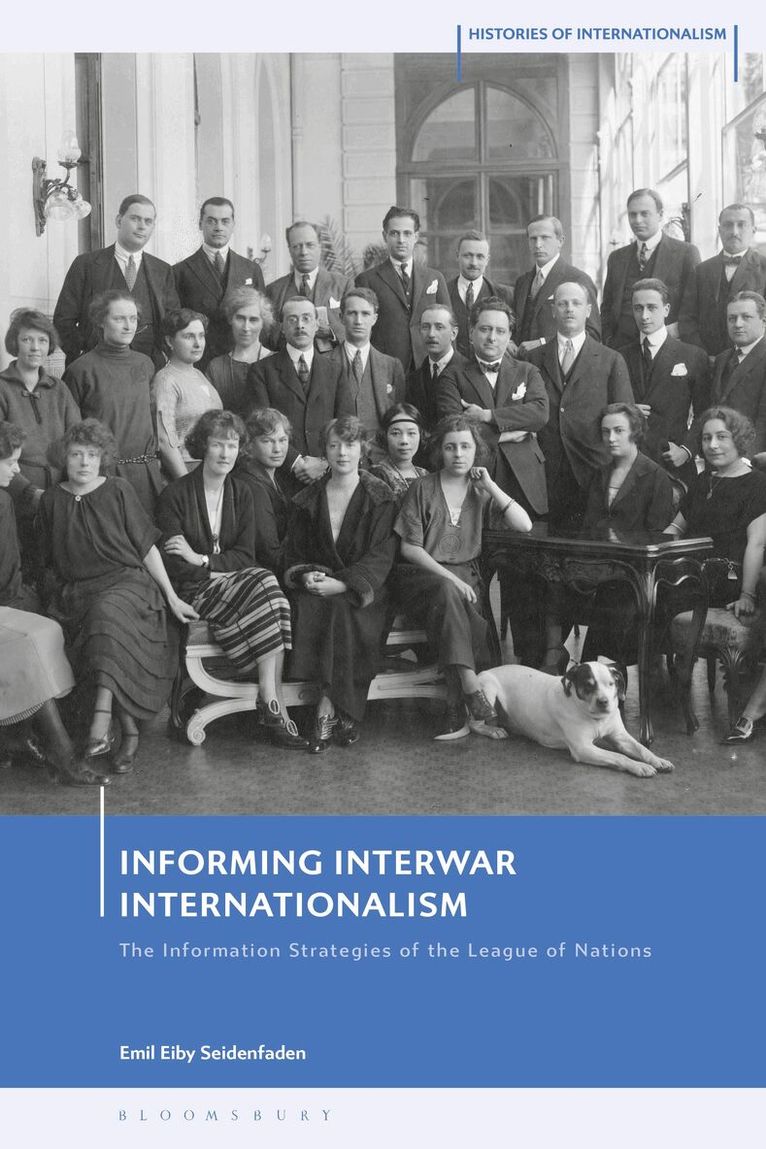
Examining the public information strategies employed by the League of Nations between 1919 and 1940, this book brings together international history, intellectual history and the history of communications to tell the story of how officials in Geneva planned for a new kind of public relations to underpin and strengthen the League’s internationalist project. Drawing on multi-archival work and shedding light on the role played by journalists in international diplomacy, it follows in the footsteps of individuals who left promising careers to work for the League's information section and shape opinion on a global scale.Showcasing their vision for an open diplomacy and an informed international public, Seidenfaden shows how this was sought for and achieved against the politically charged backdrop of interwar Europe. Moving beyond the outbreak of WWII, it also shows the legacies that remained after the League was in hiatus, and many of its officials in exile. In doing so, this book reveals how public information strategies developed by the League were transferred into its successor organisation, the United Nations, which continues to shape our world today.
Häftad, Engelska, 2025
410 kr
Skickas inom 10-15 vardagar
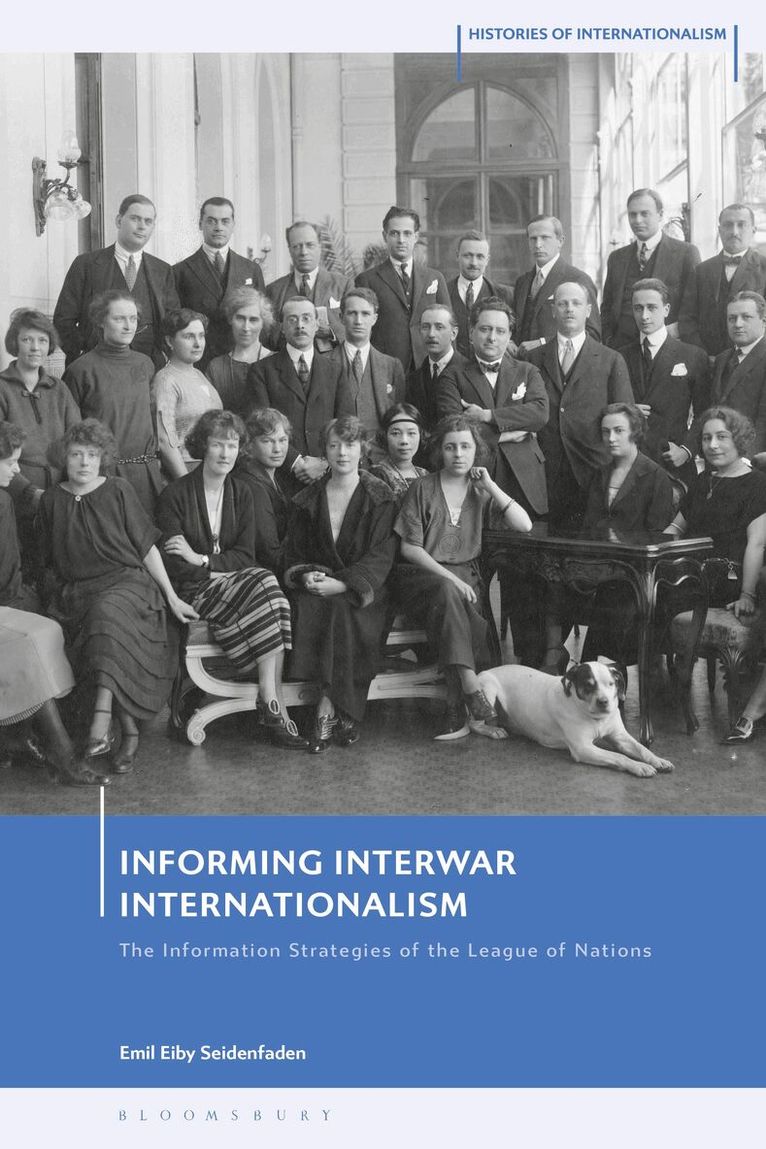
Examining the public information strategies employed by the League of Nations between 1919 and 1940, this book brings together international history, intellectual history and the history of communications to tell the story of how officials in Geneva planned for a new kind of public relations to underpin and strengthen the League’s internationalist project. Drawing on multi-archival work and shedding light on the role played by journalists in international diplomacy, it follows in the footsteps of individuals who left promising careers to work for the League's information section and shape opinion on a global scale.Showcasing their vision for an open diplomacy and an informed international public, Seidenfaden shows how this was sought for and achieved against the politically charged backdrop of interwar Europe. Moving beyond the outbreak of WWII, it also shows the legacies that remained after the League was in hiatus, and many of its officials in exile. In doing so, this book reveals how public information strategies developed by the League were transferred into its successor organisation, the United Nations, which continues to shape our world today.
Inbunden, Engelska, 2026
1 189 kr
Skickas inom 10-15 vardagar
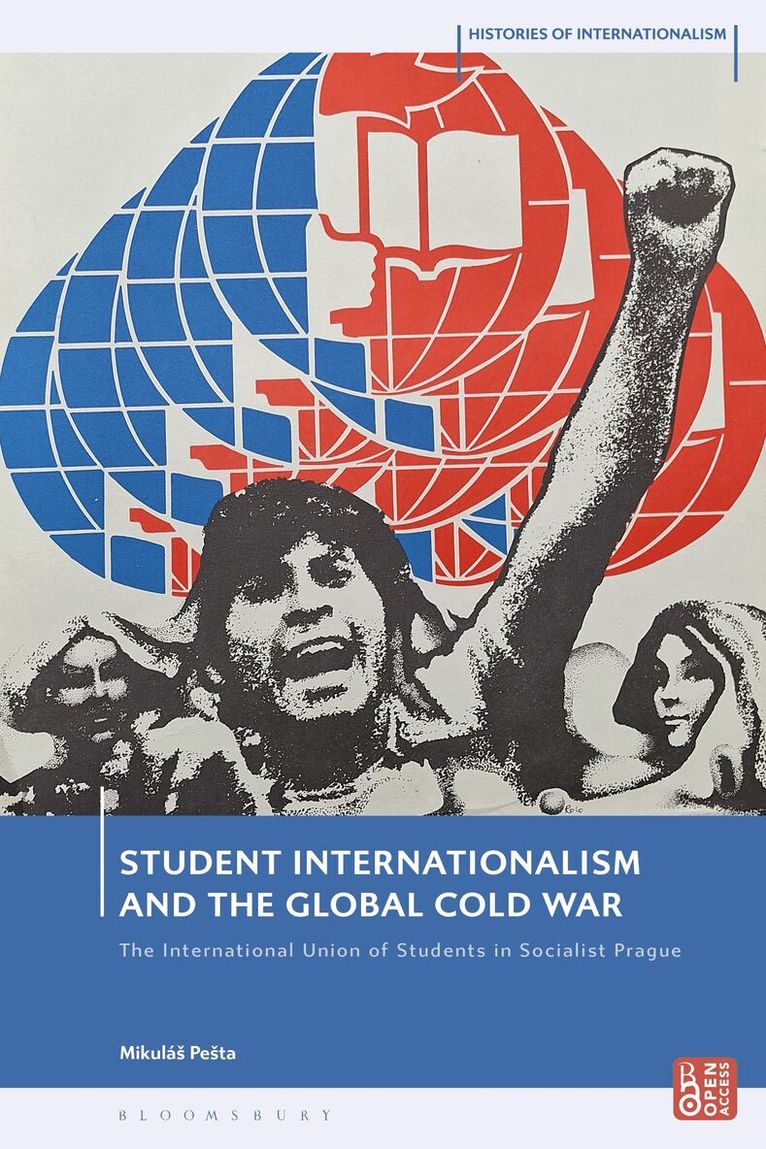
This open access book tells the history of the International Union of Students, providing a fascinating account of a significant but understudied vehicle of internationalism amidst the Global Cold War. Focusing on three main themes; student internationalism, decolonization, and socialist transnationalism, it draws on a vast array of archival sources to explore cooperation and exchange between the Cold war’s three worlds, and the role of the organization in developing global socialism.Centring Prague as a key co-ordinating centre of Cold War internationalisms and with an international focus on student organisations, Pešta contextualises the legacy and impact of student internationalism in the twentieth century. Paying particular attention to the role of ‘Third World’ delegates who communicated and legitimised topics such as colonialism, racism, global inequality and national liberation, it shows how the language and agenda of the IUS changed over time, and how the organization struggled to find its place after the end of the Cold War in 1989.The ebook editions of this book are available open access under a CC BY-NC-ND 4.0 licence on bloomsburycollections.com. Open access was funded by the Swiss National Science Foundation.
Inbunden, Engelska, 2026
1 189 kr
Skickas inom 10-15 vardagar
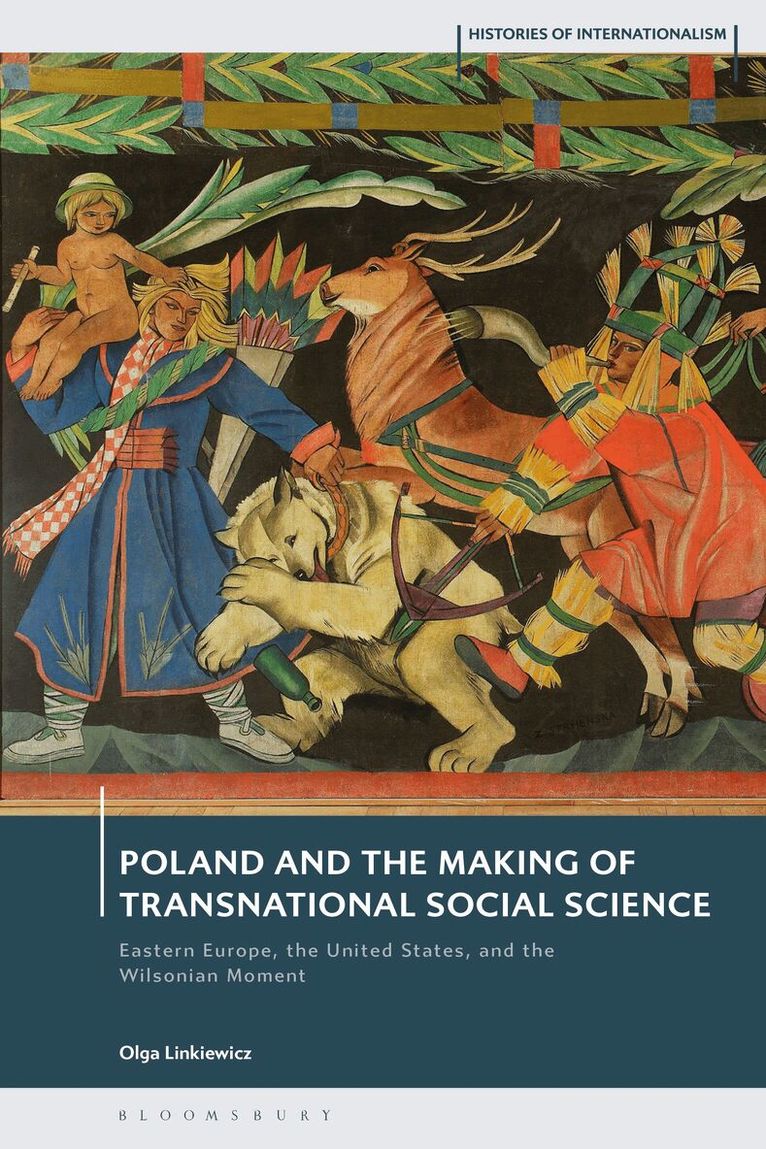
This book explores how American internationalism and Eastern European social science influenced and reshaped each other in the 1930s, giving rise to the phenomenon of transnational social science. By tracing interactions between Polish and Jewish scholars and American internationalists, it reveals how politically relevant knowledge—on nations, nationalism, and migration—evolved into the area studies on Eastern Europe that emerged at American universities during the early Cold War.Following Woodrow Wilson’s interest in Eastern Europe, a group of American internationalists—primarily linked to Columbia University, think tanks, and philanthropists—worked to establish a network of experts in the region. In their effort to support peace and democracy, they sought to advance social-scientific knowledge of Eastern Europe’s contested borderlands. Poland and the Making of Transnational Social Science explores how interactions between scholars—Polish and Jewish intellectuals and their American counterparts—shaped interwar transnational thought on self-determination, nationalism and national indifference, anti-Semitism and racial exclusion, migration, and assimilation. This knowledge circulation played a key role in the evolution of 1930s social science and its transition into American Cold War area studies.
Häftad, Engelska, 2022
439 kr
Skickas inom 10-15 vardagar
Representing a crucial intervention in the history of internationalism, transnationalism and global history, this edited collection examines a variety of international movements, organisations and projects developed in Europe or by Europeans over the course of the 20th century. Reacting against the old Eurocentricism, much of the scholarship in the field has refocussed attention on other parts of the globe. This volume attempts to rethink the role played by ideas, people and organisations originating or located in Europe, including some of their consequential global impact. The chapters cover aspects of internationalism such as the importance of language, communication and infrastructures of internationalism; ways of grappling with the history of internationalism as a lived experience; and the roles of European actors in the formulation of different and often competing models of internationalism. It demonstrates that the success and failure of international programmes were dependent on participants' ability to communicate across linguistic but also political, cultural and economic borders. By bringing together commonly disconnected strands of European history and 'history from below', this volume rebalances and significantly advances the field, and promotes a deeper understanding of internationalism in its many historical guises. The volume is conceived as a way of thinking about internationalism that is relevant not just to scholars of Europe, but to international and global history more generally.
Inbunden, Engelska, 2026
213 kr
Skickas
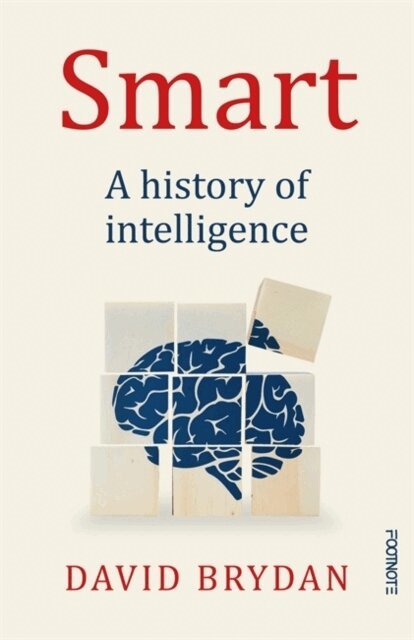
We encounter the idea of intelligence everywhere in our modern lives. Parents are told that their children will grow up smart if they are made to listen to Mozart, play with the right toys, and eat the healthiest foods. Schools and universities plunge everyone into the ruthless world of testing and academic competition. We are told repeatedly that some of the richest and most successful people in society - the tech pioneers, CEOs or financial wizards - are rich and successful precisely because they're so smart. And we now have to worry about the impact of artificial intelligence on our jobs, our societies, and the very survival of our species.Intelligence, then, is an idea that infuses our world, and one that we think matters. This hasn't always been the case. Like all ideas, intelligence has a history.Smart draws on the history of science, politics, and popular culture to uncover the stories of the people and projects that built the idea of modern intelligence - the men and women who created Mensa, the priest who built a village for gifted children in the mountains of Sicily, and the plan to boost the intelligence of the Venezuelan people by teaching them lateral thinking skills. These stories also reveal the dark side of intelligence, an idea that drove the modern counter-revolution against equality.
Häftad, Engelska, 2026
241 kr
Skickas inom 7-10 vardagar
We encounter the idea of intelligence everywhere in our modern lives. Parents are told that their children will grow up smart if they are made to listen to Mozart, play with the right toys, and eat the healthiest foods. Schools plunge everyone into the ruthless world of testing and academic competition. Those who attend the right universities are likely to earn vastly more over their lifetimes than those who found education a struggle. We are told repeatedly that some of the richest and most successful people in society - tech pioneers, CEOs or financial wizards - are rich and successful precisely because they're so smart. And we now have to worry about the impact of artificial intelligence on our jobs, our societies, and the very survival of our species.Intelligence, then, is an idea that infuses our world, and one that we think matters. This hasn't always been the case. Like all ideas, intelligence has a history. Smart draws on science, politics, and popular culture to uncover the stories of the people and projects that built the idea of modern intelligence - the men and women who created Mensa, the priest who built a village for gifted children in the mountains of Sicily, and the plan to boost the intelligence of the Venezuelan people by teaching them lateral thinking skills. Intelligence is not just an idea, but a potentially dangerous one.