David C. Cole – författare
Visar alla böcker från författaren David C. Cole. Handla med fri frakt och snabb leverans.
5 produkter
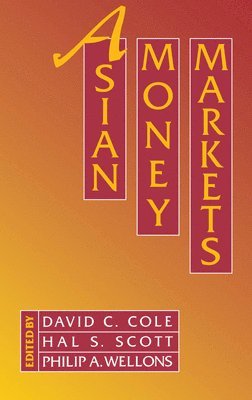
Asian Money Markets
Av Hal S. Scott, David C. Cole m. fl.
Inbunden, 1995
2719 kr
Lägg i varukorg
The countries of East and Southeast Asia have the world's most dynamic money markets. Essential to the Asian economy, their performance plays a crucial role in the successful development of other financial markets, such as those for business and consumer loans. This original study of the effect of …
Asian Money Markets
Av Philip A. Wellons, Hal S. Scott m. fl.
E-bok, 1995
1503 kr
Lägg i varukorg
The countries of East and Southeast Asia have the world''s most dynamic money markets. Essential to the Asian economy, their performance plays a crucial role in the successful development of other financial markets, such as those for business and consumer loans. This original study of the effect of …
Building a Modern Financial System
The Indonesian Experience
Av David C. Cole, Betty F. Slade
Inbunden, 1996
1962 kr
Lägg i varukorg
Building A Modern Financial System provides penetrating insights into the upheavals in Indonesia, and explains the kinds of policies that can lead to the development of a modern financial system in a large, relatively underdeveloped country. The study covers all facets of the financial system, …
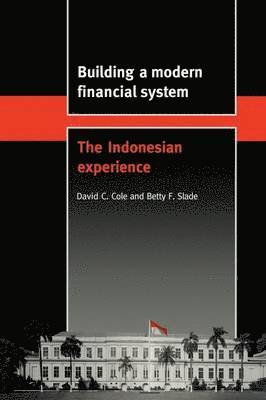
Building a Modern Financial System
The Indonesian Experience
Av David C. Cole, Betty F. Slade
Häftad, 1999
703 kr
Lägg i varukorg
Building A Modern Financial System provides penetrating insights into the upheavals in Indonesia, and explains the kinds of policies that can lead to the development of a modern financial system in a large, relatively underdeveloped country. The study covers all facets of the financial system, …
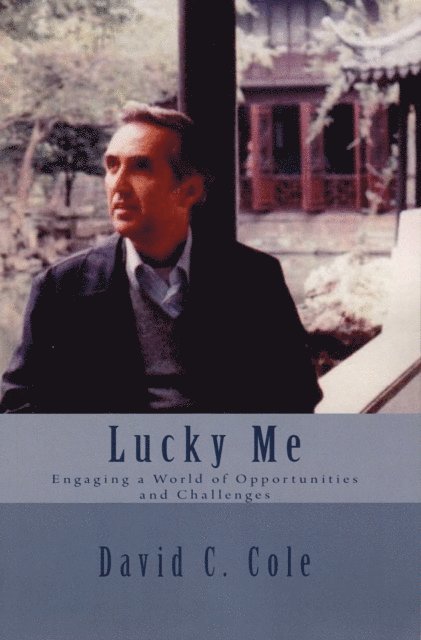
Lucky Me: Engaging a World of Opportunities and Challenges
E-bok, 2014
106 kr
Lägg i varukorg
This book explores an adventurous life of engagement in the challenges of economic development in a destitute China (1946-47), war-torn Korea (1951-52), divided Vietnam (1955-1957), and post-Sukarno Indonesia (1966-71). It also relates the author's subsequent experiences helping South Korea enter …