David C. Madoff - Böcker
Visar alla böcker från författaren David C. Madoff. Handla med fri frakt och snabb leverans.
5 produkter
5 produkter
3 739 kr
Skickas inom 5-8 vardagar
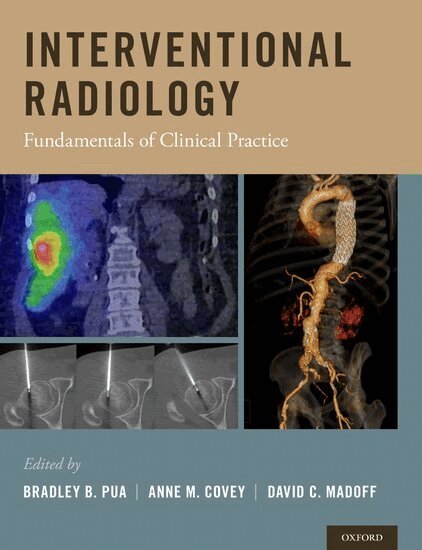
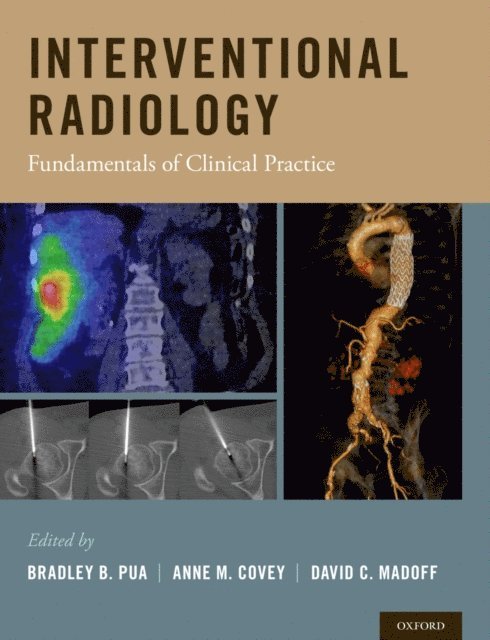
In 2012, the American Board of Medical Specialties (ABMS) approved Interventional Radiology (IR) as its own specialty. Born out of the field of Diagnostic Radiology, IR requires a more clinical focus on initial consultation and post-procedural management, rather than its previous role of performing image-guided procedures. Interventional Radiology: Fundamentals of Clinical Practice is written with this new focus in mind to help readers incorporate their procedural knowledge into a holistic approach of patient management. Chapters explore topics across a broad spectrum of IR, with a focus on etiology and pathophysiology of disease, followed by discussions on intra-procedural and post-procedural management. Numerous tables and boxes, and over 420 total figures complement chapter content. This comprehensive text is a must-have for IR residents and all practicing interventional radiologists.
1 523 kr
Skickas inom 5-8 vardagar
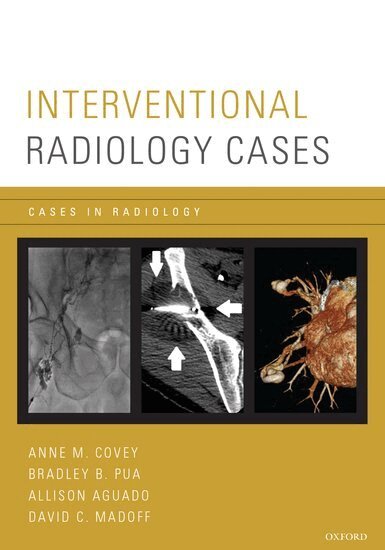
In 104 cases featuring over 500, high-quality images, Interventional Radiology Cases is a thorough and accessible review of the interventional procedures that radiology residents are expected to be familiar with upon completion of residency and general radiologists need to know for recertification examinations. The cases present both benign and malignant conditions and all pertinent imaging modalities incorporated including: CT, MR, PET, fluoroscopy, and ultrasound. Part of the Cases in Radiology series, this book follows the easy-to-use format of question and answer in which the patient history is provided on the first page of the case, and radiologic findings, differential diagnosis, teaching points, next steps in management, and suggestions for furthering reading are revealed on the following page.
3 117 kr
Kommande
Multidisciplinary Interventional Oncology explores interventional oncology (IO) as the fourth pillar of cancer care alongside surgery, radiation, and medical oncology. The book highlights IO's minimally invasive, image-guided techniques, offering reduced morbidity and toxicity. It aims to establish IO as a key modality in managing malignancies like liver cancer, integrating emerging technologies and enhancing multidisciplinary collaboration. Authored by leading interventional radiologists, the book covers a wide range of IO therapies, emphasizing multidisciplinary cancer care that combines IO with systemic treatments. Each chapter presents current evidence, referencing clinical guidelines and trials while also showcasing advancements and novel devices to address knowledge gaps and procedural uncertainties.For academics, the book provides access to the latest innovations and fosters precision-driven oncologic care. It promotes interdisciplinary collaboration, equipping readers with the knowledge and tools necessary to advance cancer care and meeting the growing demands for integration and educational resources in interventional oncology.Systematically explores the full spectrum of interventional oncology therapies, providing academics with a comprehensive understanding of minimally-invasive techniques in cancer careEmphasizes multidisciplinary cancer care, combining interventional oncology with systemic treatments to offer a holistic approach that enriches academic research and practicePresents current evidence and highlights recent advancements, equipping scholars with authoritative insights and access to the latest innovations
1 205 kr
Skickas inom 10-15 vardagar
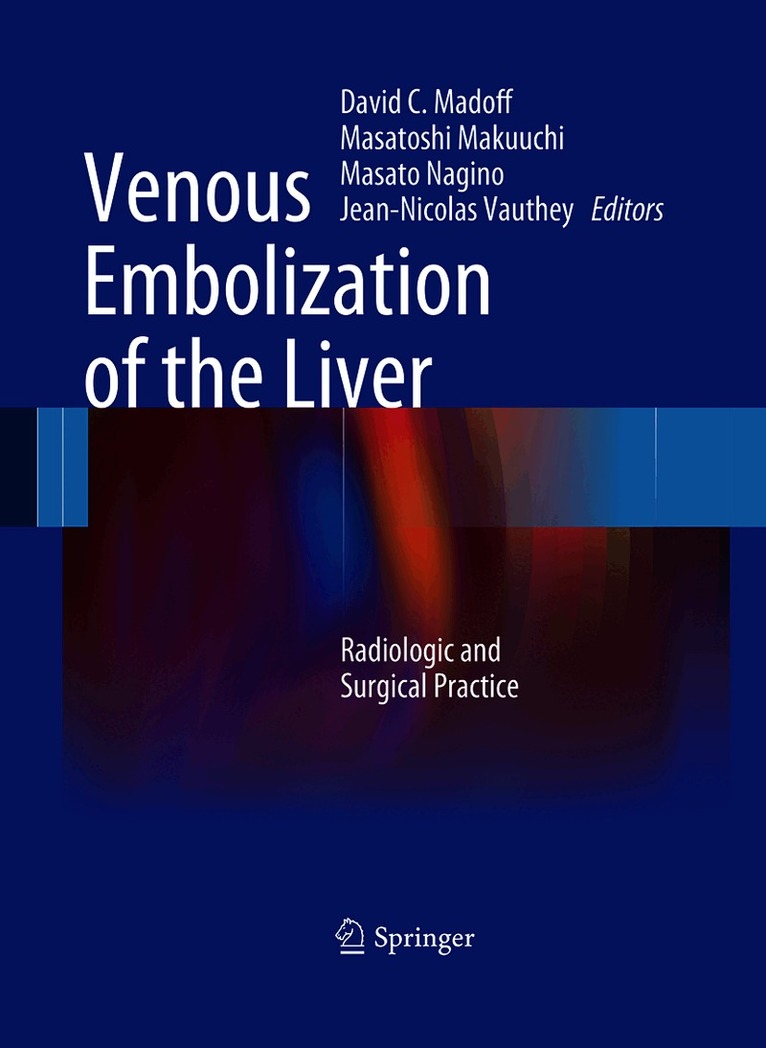
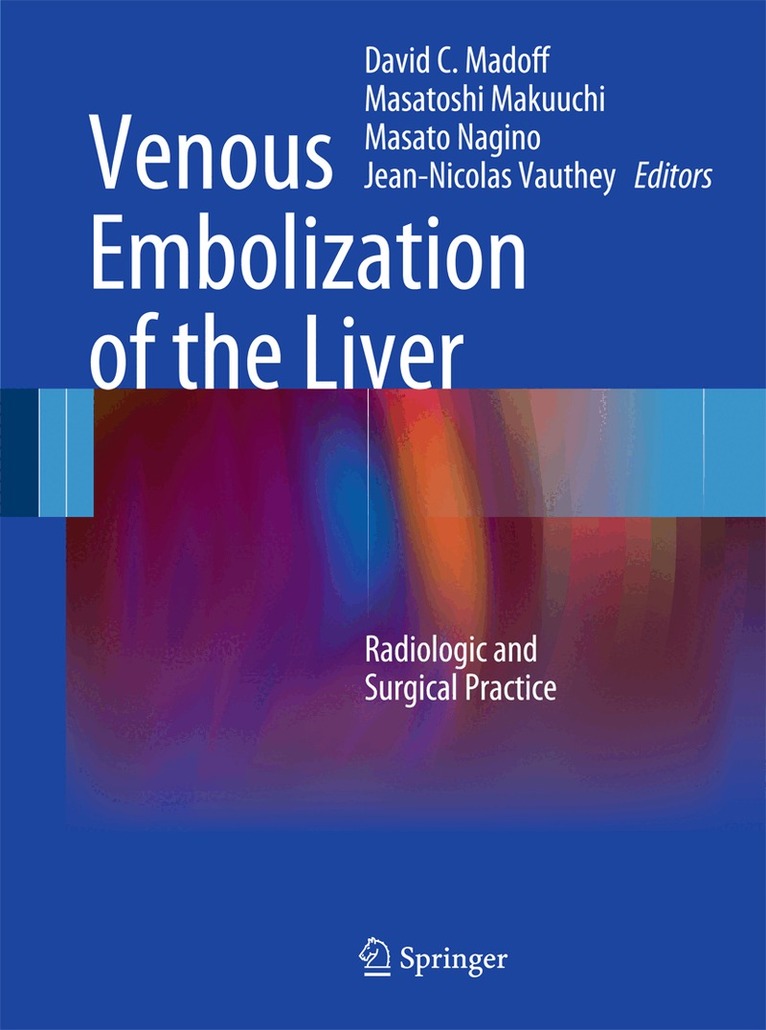
Venous Embolization of the Liver: Radiologic and Surgical Practice explores the theoretical advantages and clinical implications for utilizing Venous Embolization techniques, including portal vein and hepatic vein embolization. The practice of venous embolization of the liver was originally developed in Japan by Dr. Makuuchi (one of the co-editors of this book) in 1990 and since then, the techniques reviewed in this book are practiced throughout the world and are now considered the “standard of care” at many hepatobiliary centres worldwide. Venous Embolization of the Liver: Radiologic and Surgical Practice covers a multitude of topics, including: pertinent vascular (microscopic and macroscopic) and surgical anatomy, liver regeneration (including the atrophy-hypertrophy complex), historical perspectives of major hepatic resection, various hepatobiliary surgical procedures , factors affecting hypertrophy, pathophysiology of embolization and resection, embolization techniques (including approaches and embolic agents), the indications for embolization and resection (including pre-operative volumetric and functional assessment and post-embolization followup), potential complications, outcomes data for different diseases, recently advocated strategies (including “definitive” treatment of hepatocellular carcinoma using portal vein embolization after transcatheter arterial chemoembolization) and future perspectives. This book is a valuable resource for interventional radiologists and hepatobiliary surgeons who perform the embolization procedures and liver resections. Venous Embolization of the Liver: Radiologic and Surgical Practice can also be used secondarily by diagnostic radiologists, medical oncologists specializing in gastrointestinal malignancies, hepatologists, gastroenterologists, liver transplant surgeons and basic scientists interested in liver regeneration physiology research.
1 625 kr
Skickas inom 10-15 vardagar
Venous Embolization of the Liver: Radiologic and Surgical Practice explores the theoretical advantages and clinical implications for utilizing Venous Embolization techniques, including portal vein and hepatic vein embolization. The practice of venous embolization of the liver was originally developed in Japan by Dr. Makuuchi (one of the co-editors of this book) in 1990 and since then, the techniques reviewed in this book are practiced throughout the world and are now considered the “standard of care” at many hepatobiliary centres worldwide. Venous Embolization of the Liver: Radiologic and Surgical Practice covers a multitude of topics, including: pertinent vascular (microscopic and macroscopic) and surgical anatomy, liver regeneration (including the atrophy-hypertrophy complex), historical perspectives of major hepatic resection, various hepatobiliary surgical procedures , factors affecting hypertrophy, pathophysiology of embolization and resection, embolization techniques (including approaches and embolic agents), the indications for embolization and resection (including pre-operative volumetric and functional assessment and post-embolization followup), potential complications, outcomes data for different diseases, recently advocated strategies (including “definitive” treatment of hepatocellular carcinoma using portal vein embolization after transcatheter arterial chemoembolization) and future perspectives. This book is a valuable resource for interventional radiologists and hepatobiliary surgeons who perform the embolization procedures and liver resections. Venous Embolization of the Liver: Radiologic and Surgical Practice can also be used secondarily by diagnostic radiologists, medical oncologists specializing in gastrointestinal malignancies, hepatologists, gastroenterologists, liver transplant surgeons and basic scientists interested in liver regeneration physiology research.