David Cunning – författare
Visar alla böcker från författaren David Cunning. Handla med fri frakt och snabb leverans.
24 produkter
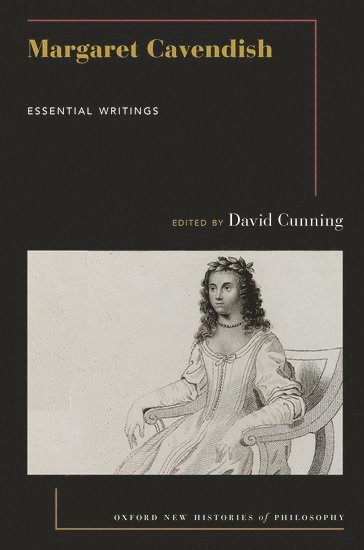
Margaret Cavendish
Essential Writings
Inbunden, 2019
1985 kr
Lägg i varukorg
The Seventeenth-Century philosopher, scientist, poet, playwright, and novelist Margaret Cavendish went to battle with the great thinkers of her time, and arguably got the better of them in many cases. She took a creative and systematic stand on the major questions of philosophy of mind, …
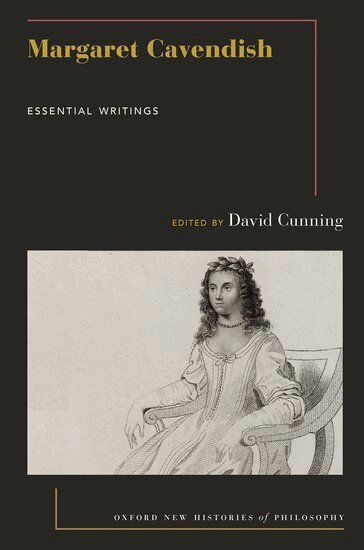
Margaret Cavendish
Essential Writings
Häftad, 2019
481 kr
Lägg i varukorg
The Seventeenth-Century philosopher, scientist, poet, playwright, and novelist Margaret Cavendish went to battle with the great thinkers of her time, and arguably got the better of them in many cases. She took a creative and systematic stand on the major questions of philosophy of mind, …
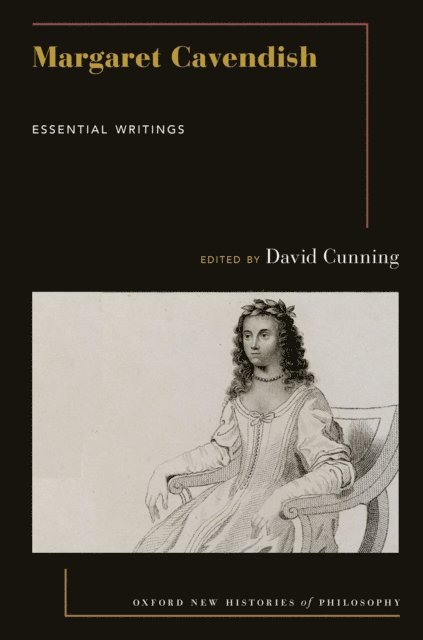
Margaret Cavendish
Essential Writings
E-bok, 2019
440 kr
Lägg i varukorg
The Seventeenth-Century philosopher, scientist, poet, playwright, and novelist Margaret Cavendish went to battle with the great thinkers of her time, and arguably got the better of them in many cases. She took a creative and systematic stand on the major questions of philosophy of mind, …
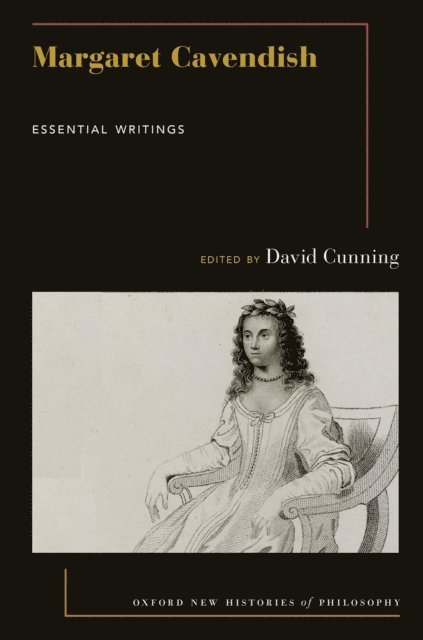
Margaret Cavendish
Essential Writings
E-bok, 2019
440 kr
Lägg i varukorg
The Seventeenth-Century philosopher, scientist, poet, playwright, and novelist Margaret Cavendish went to battle with the great thinkers of her time, and arguably got the better of them in many cases. She took a creative and systematic stand on the major questions of philosophy of mind, …
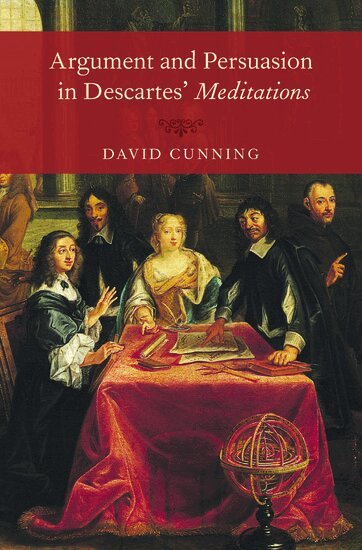
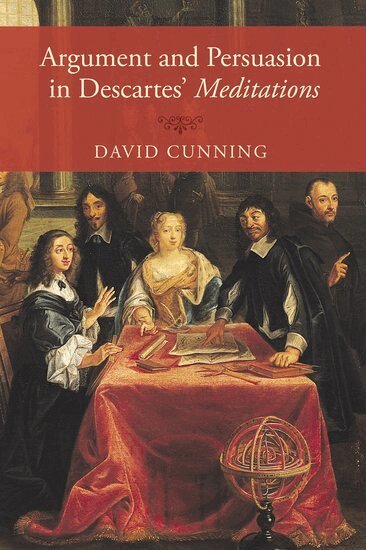
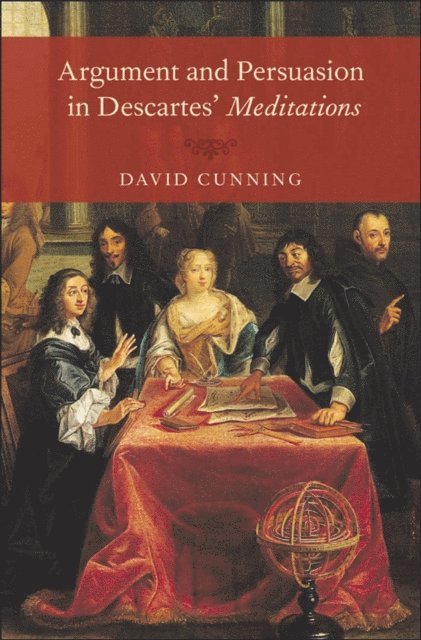
Argument and Persuasion in Descartes' Meditations
Inbunden, 2010
2441 kr
Lägg i varukorg
Descartes' Meditations on First Philosophy has proven to be not only one of the canonical texts of Western philosophy, but also the site of a great deal of interpretive activity in scholarship on the history of early modern philosophy over the last two decades. David Cunning's monograph proposes a …
Argument and Persuasion in Descartes' Meditations
Häftad, 2014
634 kr
Lägg i varukorg
Descartes' Meditations on First Philosophy has proven to be not only one of the canonical texts of Western philosophy, but also the site of a great deal of interpretive activity in scholarship on the history of early modern philosophy over the last two decades. David Cunning's monograph proposes a …
Argument and Persuasion in Descartes' Meditations
E-bok, 2010
469 kr
Lägg i varukorg
Descartes'' Meditations on First Philosophy has proven to be not only one of the canonical texts of Western philosophy, but also the site of a great deal of interpretive activity in scholarship on the history of early modern philosophy over the last two decades. David Cunning''s monograph proposes …
Argument and Persuasion in Descartes' Meditations
E-bok, 2010
469 kr
Lägg i varukorg
Descartes'' Meditations on First Philosophy has proven to be not only one of the canonical texts of Western philosophy, but also the site of a great deal of interpretive activity in scholarship on the history of early modern philosophy over the last two decades. David Cunning''s monograph proposes …
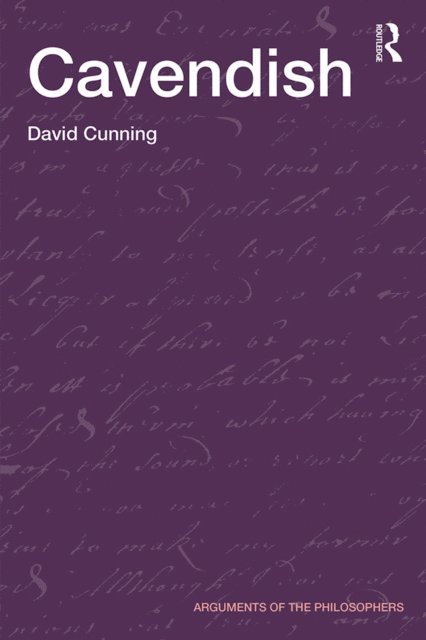
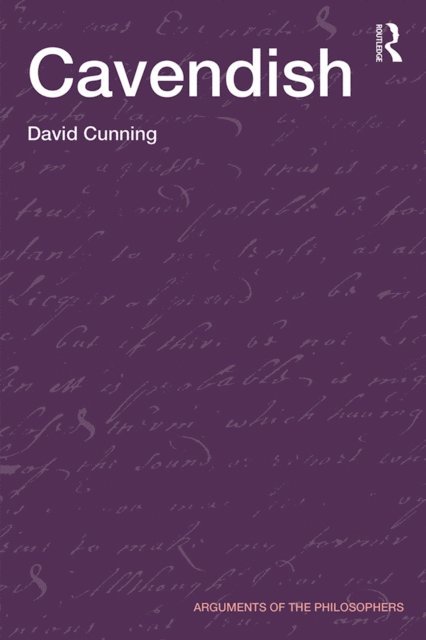
Cavendish
Häftad, 2019
996 kr
Lägg i varukorg
Margaret Cavendish (1623 - 1673) was a philosopher, poet, scientist, novelist, and playwright of the seventeenth century. Her work is important for a number of reasons. It presents an early and compelling version of the naturalism that is found in current-day philosophy; it offers important …
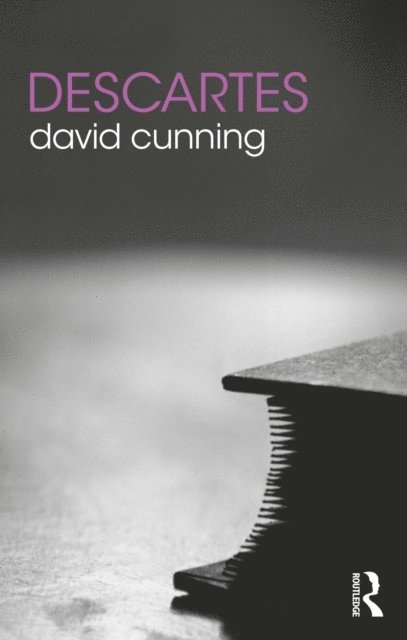
Descartes
Inbunden, 2023
2512 kr
Lägg i varukorg
René Descartes (1596–1650) is well-known for his introspective turn away from sensible bodies and toward non-sensory ideas of mind, body, and God. Such a turn is appropriate, Descartes supposes, but only once in the course of life, and only to arrive at a more accurate picture of reality that we …
Descartes
Häftad, 2023
386 kr
Lägg i varukorg
René Descartes (1596–1650) is well-known for his introspective turn away from sensible bodies and toward non-sensory ideas of mind, body, and God. Such a turn is appropriate, Descartes supposes, but only once in the course of life, and only to arrive at a more accurate picture of reality that we …
Cavendish
Inbunden, 2016
2888 kr
Lägg i varukorg
Margaret Cavendish (1623 - 1673) was a philosopher, poet, scientist, novelist, and playwright of the seventeenth century. Her work is important for a number of reasons. It presents an early and compelling version of the naturalism that is found in current-day philosophy; it offers important …
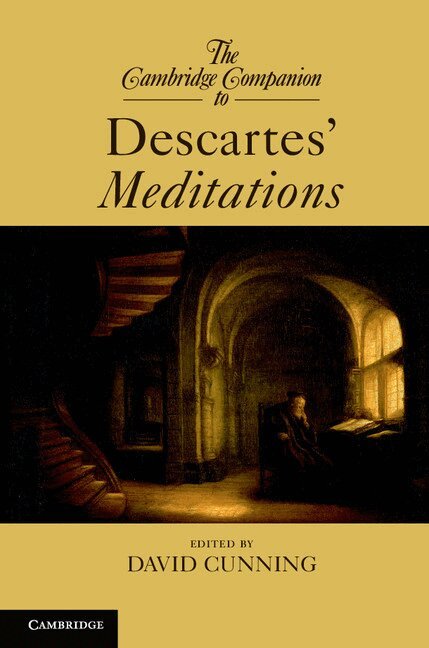
The Cambridge Companion to Descartes' Meditations
Inbunden, 2014
1274 kr
Lägg i varukorg
Descartes' enormously influential Meditations seeks to prove a number of theses: that God is a necessary existent; that our minds are equipped to track truth and avoid error; that the external world exists and provides us with information to preserve our embodiment; and that minds are immaterial …
The Cambridge Companion to Descartes' Meditations
Häftad, 2014
487 kr
Lägg i varukorg
Descartes' enormously influential Meditations seeks to prove a number of theses: that God is a necessary existent; that our minds are equipped to track truth and avoid error; that the external world exists and provides us with information to preserve our embodiment; and that minds are immaterial …
Cambridge Companion to Descartes' Meditations
E-bok, 2014
473 kr
Lägg i varukorg
Descartes'' enormously influential Meditations seeks to prove a number of theses: that God is a necessary existent; that our minds are equipped to track truth and avoid error; that the external world exists and provides us with information to preserve our embodiment; and that minds are immaterial …
Cambridge Companion to Descartes' Meditations
E-bok, 2014
463 kr
Lägg i varukorg
Descartes'' enormously influential Meditations seeks to prove a number of theses: that God is a necessary existent; that our minds are equipped to track truth and avoid error; that the external world exists and provides us with information to preserve our embodiment; and that minds are immaterial …
Cavendish
E-bok, 2016
1022 kr
Lägg i varukorg
Margaret Cavendish (1623 - 1673) was a philosopher, poet, scientist, novelist, and playwright of the seventeenth century. Her work is important for a number of reasons. It presents an early and compelling version of the naturalism that is found in current-day philosophy; it offers important …
Cavendish
E-bok, 2016
1022 kr
Lägg i varukorg
Margaret Cavendish (1623 - 1673) was a philosopher, poet, scientist, novelist, and playwright of the seventeenth century. Her work is important for a number of reasons. It presents an early and compelling version of the naturalism that is found in current-day philosophy; it offers important …
Descartes
E-bok, 2023
399 kr
Lägg i varukorg
René Descartes (1596–1650) is well-known for his introspective turn away from sensible bodies and toward non-sensory ideas of mind, body, and God. Such a turn is appropriate, Descartes supposes, but only once in the course of life, and only to arrive at a more accurate picture of reality that we …
Descartes
E-bok, 2023
399 kr
Lägg i varukorg
René Descartes (1596–1650) is well-known for his introspective turn away from sensible bodies and toward non-sensory ideas of mind, body, and God. Such a turn is appropriate, Descartes supposes, but only once in the course of life, and only to arrive at a more accurate picture of reality that we …
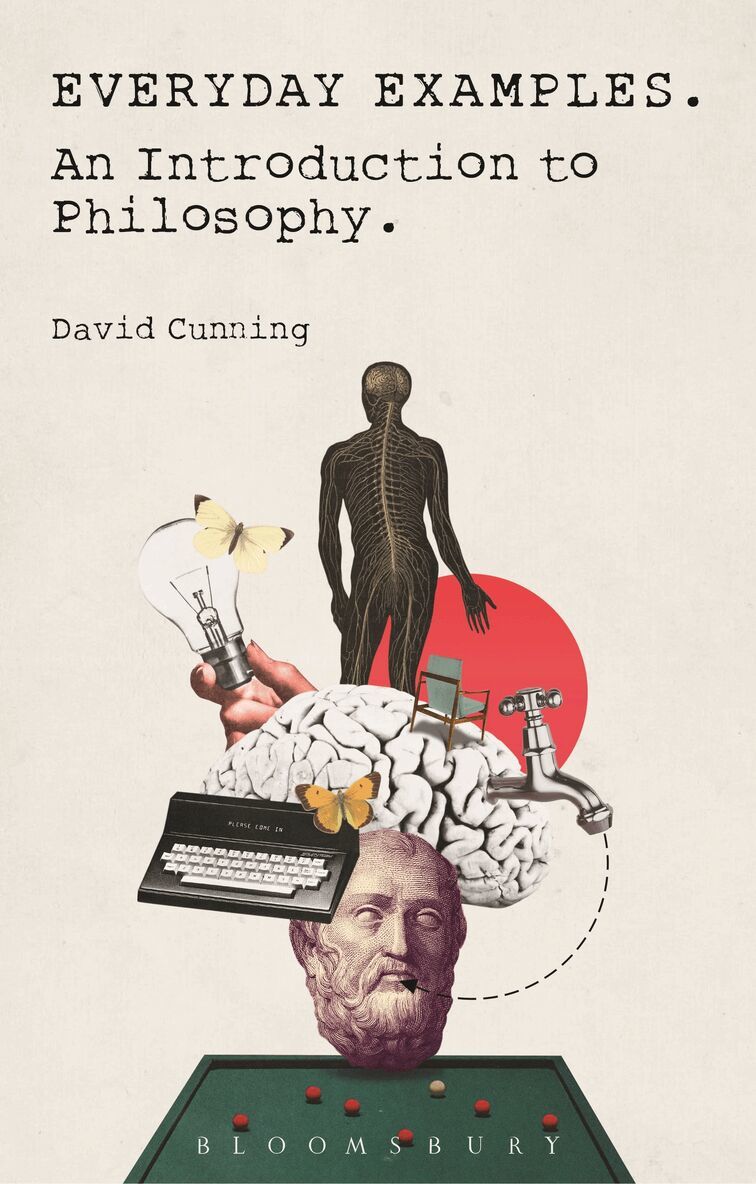
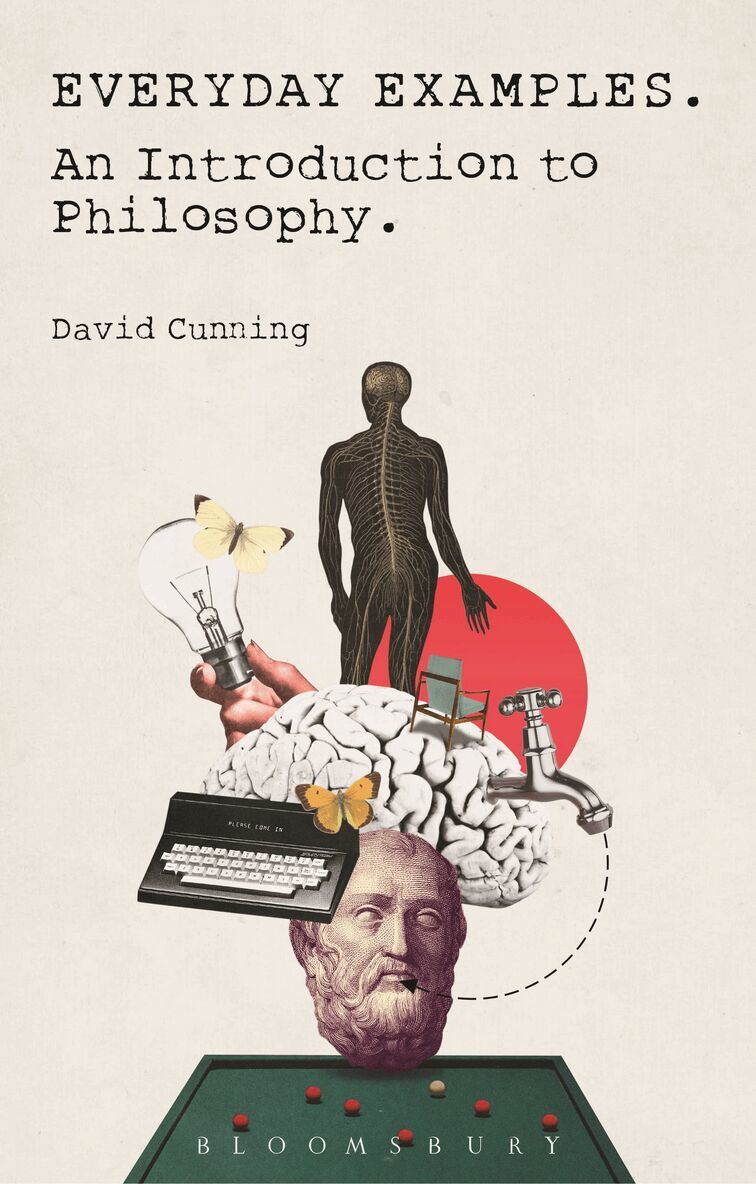
Everyday Examples
An Introduction to Philosophy
Häftad, 2015
432 kr
Lägg i varukorg
"Free will: mental energy that poofs into existence from scratch?"In pairing key ideas from the history of philosophy with examples from everyday life and culture, David Cunning produces a clear, incisive and engaging introduction to philosophy. Everyday Examples explores historical philosophy and …
Everyday Examples
An Introduction to Philosophy
Inbunden, 2015
1638 kr
Lägg i varukorg
"Free will: mental energy that poofs into existence from scratch?"In pairing key ideas from the history of philosophy with examples from everyday life and culture, David Cunning produces a clear, incisive and engaging introduction to philosophy. Everyday Examples explores historical philosophy and …
Everyday Examples
An Introduction to Philosophy
E-bok, 2015
466 kr
Lägg i varukorg
"Free will: mental energy that poofs into existence from scratch?" In pairing key ideas from the history of philosophy with examples from everyday life and culture, David Cunning produces a clear, incisive and engaging introduction to philosophy. Everyday Examples explores historical philosophy and …
Everyday Examples
An Introduction to Philosophy
E-bok, 2015
466 kr
Lägg i varukorg
"Free will: mental energy that poofs into existence from scratch?" In pairing key ideas from the history of philosophy with examples from everyday life and culture, David Cunning produces a clear, incisive and engaging introduction to philosophy. Everyday Examples explores historical philosophy and …