David E. Pozen – författare
Visar alla böcker från författaren David E. Pozen. Handla med fri frakt och snabb leverans.
5 produkter
5 produkter
Inbunden, Engelska, 2018
1 071 kr
Skickas inom 5-8 vardagar
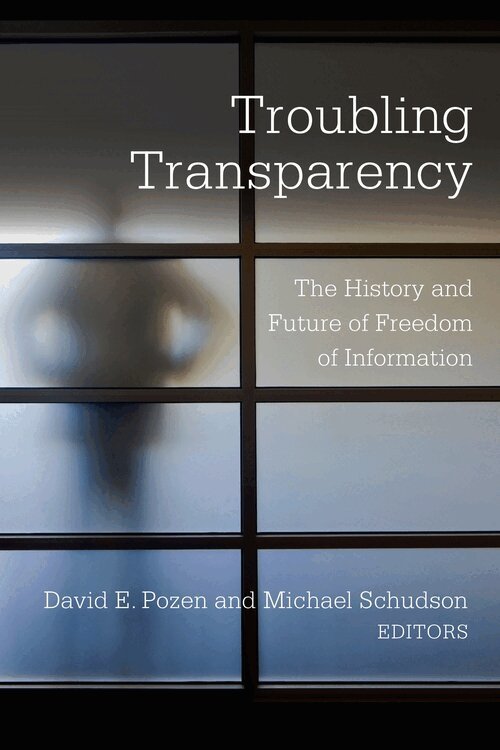
Today, transparency is a widely heralded value, and the U.S. Freedom of Information Act (FOIA) is often held up as one of the transparency movement’s canonical achievements. Yet while many view the law as a powerful tool for journalists, activists, and ordinary citizens to pursue the public good, FOIA is beset by massive backlogs, and corporations and the powerful have become adept at using it for their own interests. Close observers of laws like FOIA have begun to question whether these laws interfere with good governance, display a deleterious anti-public-sector bias, or are otherwise inadequate for the twenty-first century’s challenges.Troubling Transparency brings together leading scholars from different disciplines to analyze freedom of information policies in the United States and abroad—how they are working, how they are failing, and how they might be improved. Contributors investigate the creation of FOIA; its day-to-day uses and limitations for the news media and for corporate and citizen requesters; its impact on government agencies; its global influence; recent alternatives to the FOIA model raised by the emergence of “open data” and other approaches to transparency; and the theoretical underpinnings of FOIA and the right to know. In addition to examining the mixed legacy and effectiveness of FOIA, contributors debate how best to move forward to improve access to information and government functioning. Neither romanticizing FOIA nor downplaying its real and symbolic achievements, Troubling Transparency is a timely and comprehensive consideration of laws such as FOIA and the larger project of open government, with wide-ranging lessons for journalism, law, government, and civil society.
Häftad, Engelska, 2018
273 kr
Skickas inom 5-8 vardagar
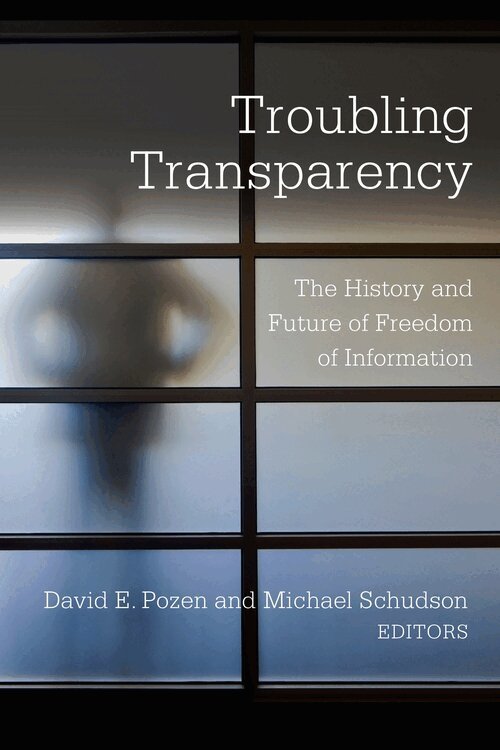
Today, transparency is a widely heralded value, and the U.S. Freedom of Information Act (FOIA) is often held up as one of the transparency movement’s canonical achievements. Yet while many view the law as a powerful tool for journalists, activists, and ordinary citizens to pursue the public good, FOIA is beset by massive backlogs, and corporations and the powerful have become adept at using it for their own interests. Close observers of laws like FOIA have begun to question whether these laws interfere with good governance, display a deleterious anti-public-sector bias, or are otherwise inadequate for the twenty-first century’s challenges.Troubling Transparency brings together leading scholars from different disciplines to analyze freedom of information policies in the United States and abroad—how they are working, how they are failing, and how they might be improved. Contributors investigate the creation of FOIA; its day-to-day uses and limitations for the news media and for corporate and citizen requesters; its impact on government agencies; its global influence; recent alternatives to the FOIA model raised by the emergence of “open data” and other approaches to transparency; and the theoretical underpinnings of FOIA and the right to know. In addition to examining the mixed legacy and effectiveness of FOIA, contributors debate how best to move forward to improve access to information and government functioning. Neither romanticizing FOIA nor downplaying its real and symbolic achievements, Troubling Transparency is a timely and comprehensive consideration of laws such as FOIA and the larger project of open government, with wide-ranging lessons for journalism, law, government, and civil society.
Inbunden, Engelska, 2020
1 223 kr
Skickas inom 5-8 vardagar
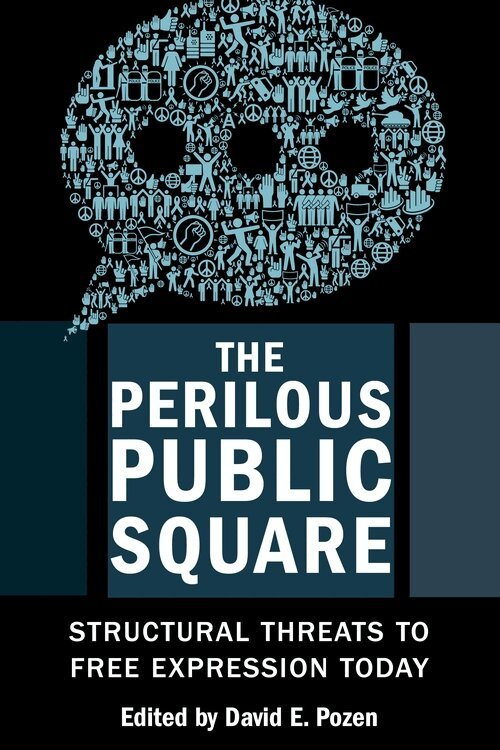
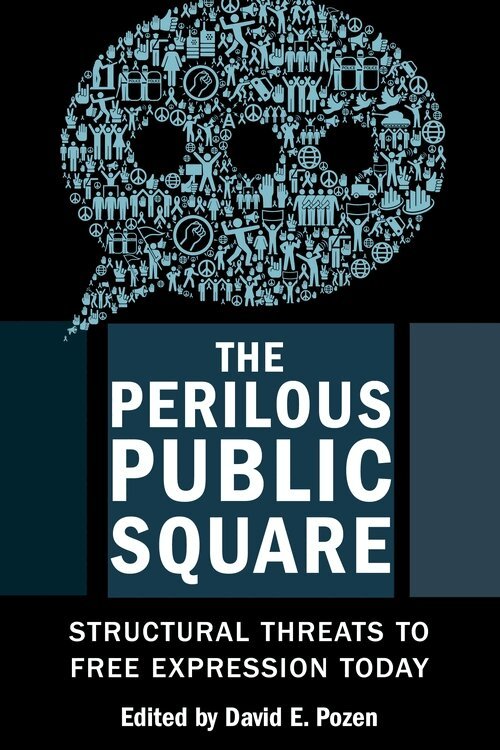
Americans of all political persuasions fear that “free speech” is under attack. This may seem strange at a time when legal protections for free expression remain strong and overt government censorship minimal. Yet a range of political, economic, social, and technological developments have raised profound challenges for how we manage speech. New threats to political discourse are mounting—from the rise of authoritarian populism and national security secrecy to the decline of print journalism and public trust in experts to the “fake news,” trolling, and increasingly subtle modes of surveillance made possible by digital technologies.The Perilous Public Square brings together leading thinkers to identify and investigate today’s multifaceted threats to free expression. They go beyond the campus and the courthouse to pinpoint key structural changes in the means of mass communication and forms of global capitalism. Beginning with Tim Wu’s inquiry into whether the First Amendment is obsolete, Matthew Connelly, Jack Goldsmith, Kate Klonick, Frederick Schauer, Olivier Sylvain, and Heather Whitney explore ways to address these dangers and preserve the essential features of a healthy democracy. Their conversations with other leading thinkers, including Danielle Keats Citron, Jelani Cobb, Frank Pasquale, Geoffrey R. Stone, Rebecca Tushnet, and Kirsten Weld, cross the disciplinary boundaries of First Amendment law, internet law, media policy, journalism, legal history, and legal theory, offering fresh perspectives on fortifying the speech system and reinvigorating the public square.
Häftad, Engelska, 2020
311 kr
Skickas inom 5-8 vardagar
Americans of all political persuasions fear that “free speech” is under attack. This may seem strange at a time when legal protections for free expression remain strong and overt government censorship minimal. Yet a range of political, economic, social, and technological developments have raised profound challenges for how we manage speech. New threats to political discourse are mounting—from the rise of authoritarian populism and national security secrecy to the decline of print journalism and public trust in experts to the “fake news,” trolling, and increasingly subtle modes of surveillance made possible by digital technologies.The Perilous Public Square brings together leading thinkers to identify and investigate today’s multifaceted threats to free expression. They go beyond the campus and the courthouse to pinpoint key structural changes in the means of mass communication and forms of global capitalism. Beginning with Tim Wu’s inquiry into whether the First Amendment is obsolete, Matthew Connelly, Jack Goldsmith, Kate Klonick, Frederick Schauer, Olivier Sylvain, and Heather Whitney explore ways to address these dangers and preserve the essential features of a healthy democracy. Their conversations with other leading thinkers, including Danielle Keats Citron, Jelani Cobb, Frank Pasquale, Geoffrey R. Stone, Rebecca Tushnet, and Kirsten Weld, cross the disciplinary boundaries of First Amendment law, internet law, media policy, journalism, legal history, and legal theory, offering fresh perspectives on fortifying the speech system and reinvigorating the public square.
E-bok
Spanska, 202444 kr
Läs direkt efter köp
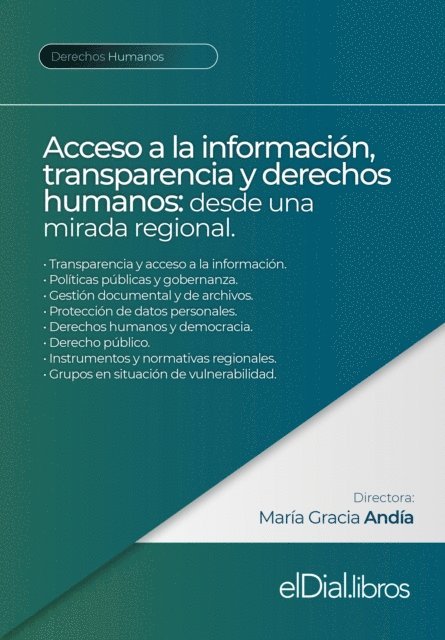
Este libro tiene por objetivo brindar un panorama teórico y de política pública aplicada sobre el acceso a la información pública, la transparencia y los derechos humanos en el continente americano. Para ello, reconocidos autores y autoras analizan el estado de situación: avances, dificultades y desafíos de estos temas en la región.El libro se compone de tres partes. La primera aborda el derecho de acceso a la información pública desde una perspectiva teórica, destacando su carácter fundamental como requisito esencial para la toma de decisiones públicas. La segunda sección se centra en la aplicación práctica de este derecho y en las políticas públicas diseñadas para su implementación, destacando la brecha persistente entre la teoría legal y su implementación. Por último, la tercera parte examina el impacto del derecho de acceso a la información, la transparencia y la gestión de datos en la sociedad en general, prestando especial atención a los grupos en situación de vulnerabilidad.