David Engerman – författare
Visar alla böcker från författaren David Engerman. Handla med fri frakt och snabb leverans.
3 produkter
3 produkter
Inbunden, Engelska, 2025
352 kr
Skickas inom 5-8 vardagar
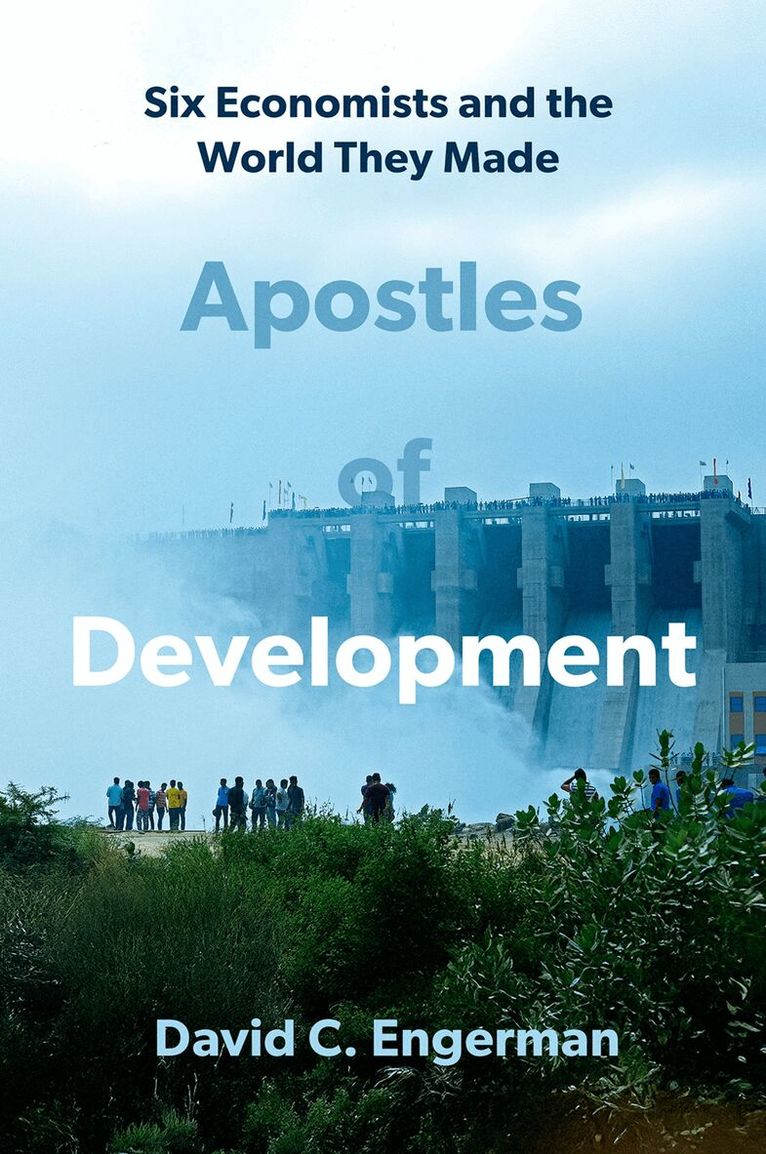
Apostles of Development recounts the work of six individuals, all former classmates at Cambridge University, who helped make international development--the effort to reduce poverty and inequality around the world--into a juggernaut of the second half of the twentieth century. International development employed millions, affected billions, and spent trillions; it held the hopes of the former colonies to create an economic independence to match their newfound political one, and the plans of wealthy counties to build an enduring economic order. The six Apostles in this book include some of South Asia's best-known names, like Nobel Laureate Amartya Sen and long-serving Indian Prime Minister Manmohan Singh, as well as leading academics (Jagdish Bhagwati) and key policy-makers in both national and international circles. Taken together, this group both reflected and shaped the growing enterprise of international development from the time they left Cambridge in the mid-1950s well into the 2010s. For many years, the second half of the twentieth century was understood primarily through the lens of the Cold War. And yet, for the majority of the world, living in what was then called the Third World (and which is now called the Global South), development was a constant, while American-Soviet geopolitics only occasionally impinged upon their lives. And these six, as much as any other group, changed the way economists theorized development and aid officials practiced it. Their biographies, then, are the history of development. Based on newly available archival documents from 10 countries, and on interviews with four of the subjects, the widows of the other two, and almost 100 of their colleagues, friends, classmates, and rivals, this book combines riveting personal accounts with a sweeping history of one of the enduring human activities of the late 20th century and early 21st centuries: creating a more prosperous and equitable world.
Inbunden, Engelska, 2023
406 kr
Skickas inom 5-8 vardagar
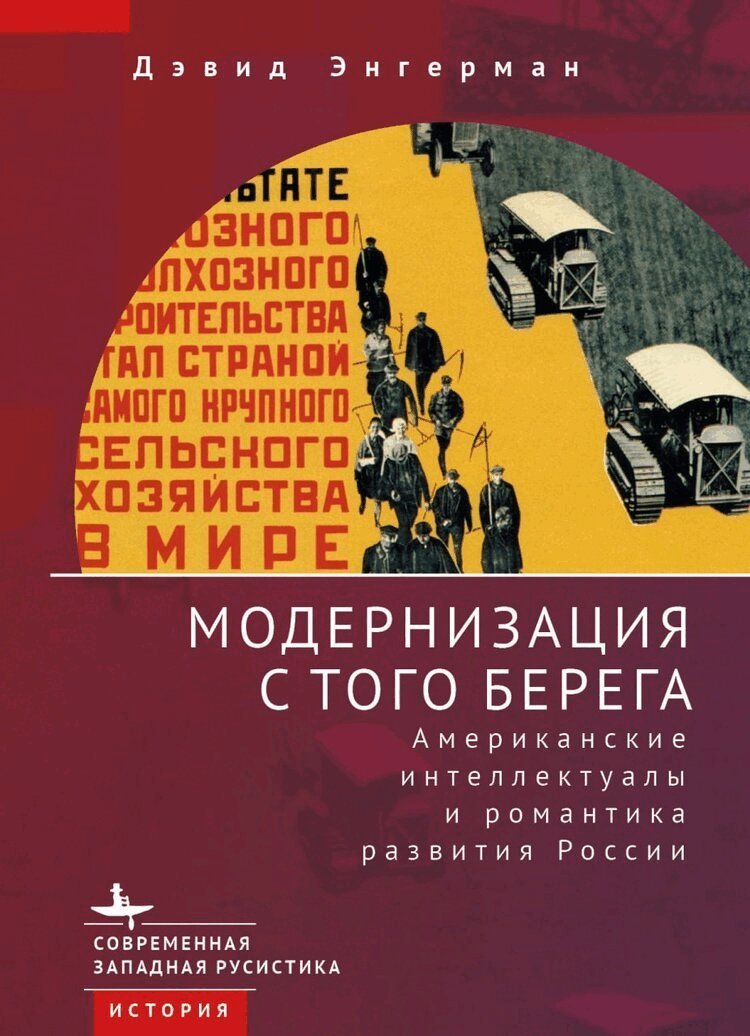
From the late nineteenth century to the eve of World War II, America’s experts on Russia watched as Russia and the Soviet Union embarked on a course of rapid industrialization. Captivated by the idea of modernization, diplomats, journalists, and scholars across the political spectrum rationalized the enormous human cost of this path to progress. In a fascinating examination of this crucial era, David Engerman underscores the key role economic development played in America’s understanding of Russia and explores its profound effects on U.S. policy.American intellectuals from George Kennan to Samuel Harper to Calvin Hoover understood Russian events in terms of national character. Many of them used stereotypes of Russian passivity, backwardness, and fatalism to explain the need for—and the costs of—Soviet economic development. These costs included devastating famines that left millions starving while the government still exported grain.This book is a stellar example of the new international history that seamlessly blends cultural and intellectual currents with policymaking and foreign relations. It offers valuable insights into the role of cultural differences and the shaping of economic policy for developing nations even today.
7 360 kr
Tillfälligt slut
The Cambridge History of America and the World offers a transformative account of American engagement in the world from 1500 to the present. Representing a new scholarship informed by the transnational turn in the writing of US history and American foreign relations, the four-volume reference work gives sustained attention to key moments in US diplomacy, from the Revolutionary War and the Monroe Doctrine to the US rise as a world power in World War I, World War II and the Cold War. The volumes also cast a more inclusive scholarly net to include transnational histories of Native America, the Atlantic world, slavery, political economy, borderlands, empire, the family, gender and sexuality, race, technology, and the environment. Collectively, they offer essential starting points for readers coming to the field for the first time and serve as a critical vehicle for moving this scholarship forward in innovative new directions.