David F. Crew - Böcker
Visar alla böcker från författaren David F. Crew. Handla med fri frakt och snabb leverans.
6 produkter
6 produkter
1 170 kr
Skickas inom 3-6 vardagar
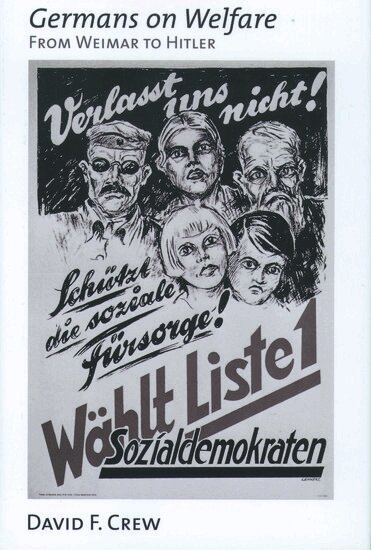
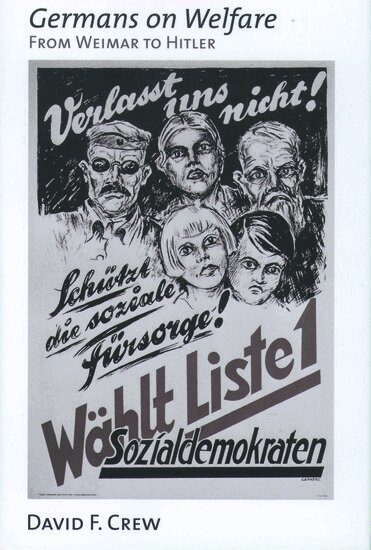
Germans on Welfare is a comprehensive study of the welfare system in the Weimar Republic. Adopting a "history of everyday life" perspective, David Crew examines not only high-level policy and debate, but also ordinary Germans' daily experiences and encounters with the welfare state, upon which millions depended for their livelihood. Crew ultimately shows why the collapse of the welfare system, one of the pillars of the Weimar social republic, led so quickly to the Nazi racial state in the years after 1933.
741 kr
Skickas inom 5-8 vardagar
The welfare state was one of the pillars of the Weimar Republic. The Weimar experiment in democracy depended to no small degree upon the welfare system's ability to give German citizens at least a fundamental level of material and mental security in the face of the new risks to which they had been exposed by the effects of the lost war, revolution, and inflation. But the problems of the postwar period meant that, even in its best years, the Weimar welfare state was dangerously overburdened. The onset of the Depression and the growth of mass unemployment after 1929 destroyed republican democracy and the welfare state upon which it was based. On the ruins of Weimars social republic, the Nazis built a murderous racial state. Existing work on the Weimar welfare state concentrates largely on the discussions of social reformers, welfare experts, feminists, and the laws and institutions that their debates produced. Yet the Weimar welfare state was not simply the product of discourse and discursive struggles; it was also constructed and re-produced by the daily interactions of hard-pressed officials and impatient, often desperate clients. Adopting a "history of everyday life" perspective, Germans on Welfare: From Weimar to Hitler, 1919-1935 shows how welfare discourse and policy were translated into welfare practices by local officials and appropriated, contested, or re-negotiated by millions of welfare clients.
430 kr
Skickas inom 7-10 vardagar
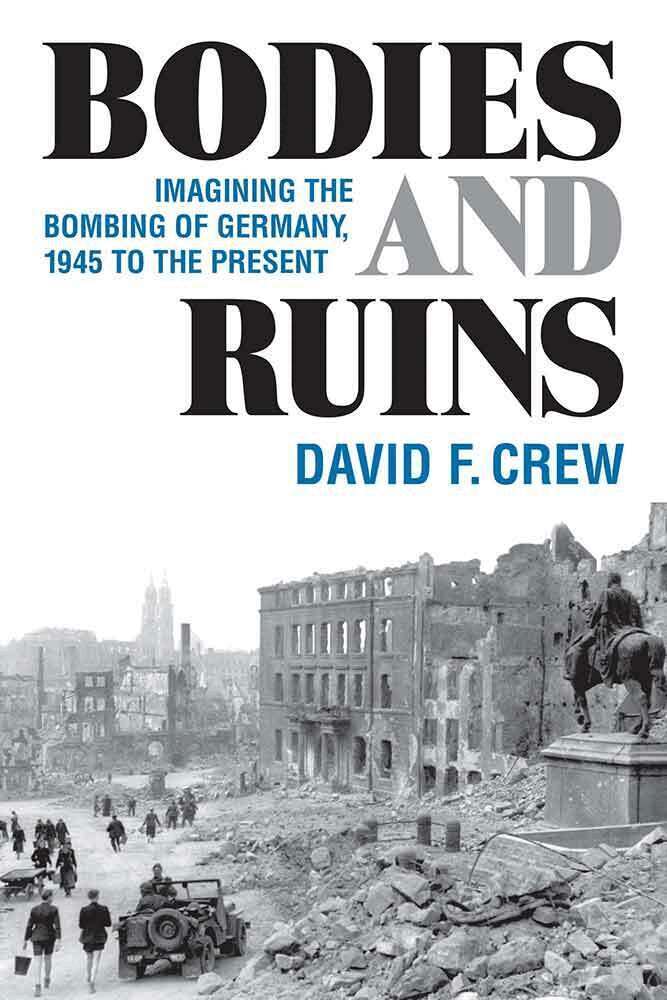
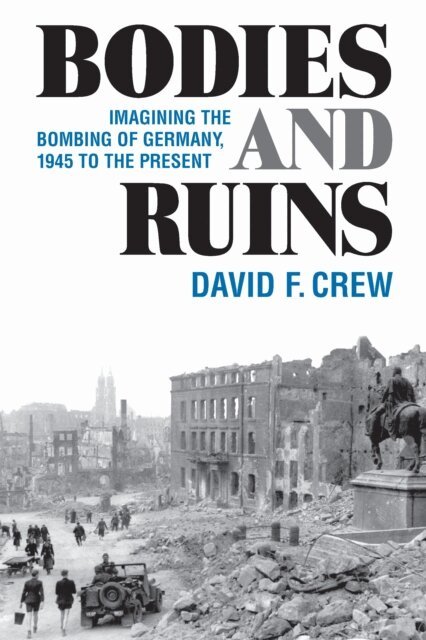
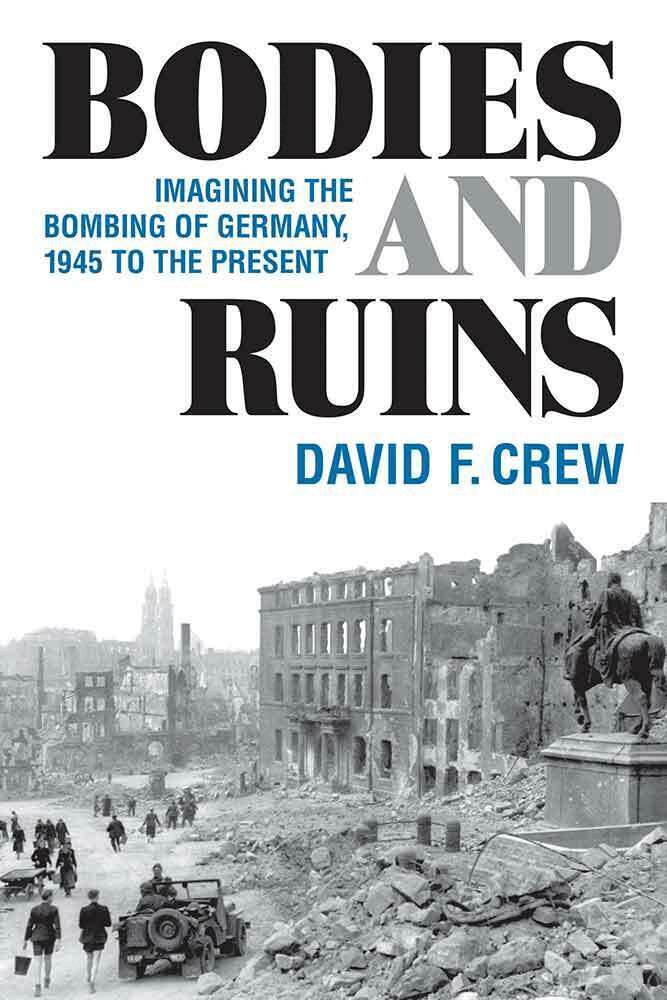
Bodies and Ruins explores changing German memories of World War II as it analyzes the construction of narratives in the postwar period including the depiction of the bombing of individual German cities. The book offers a corrective notion rising in the late 1990s notion that discussions of the Allied bombing were long overdue, because Germans who had endured the bombings had largely been condemned to silence after 1945. David Crew shows that far from being marginalized in postwar historical consciousness, the bombing war was in fact a central strand of German memory and identity. Local narratives of the bombing war, including photographic books, had already established themselves as important “vectors of memory” in the late 1940s and early 1950s. The bombing war had allowed Germans to see themselves as victims at a time when the Allied liberation of the concentration camps and the Nuremberg trials presented Germans to the world as perpetrators or at least as accomplices. The bombing war continued to serve this function even as Germans became more and more willing directly to confront the genocide of European Jews—which by the 1960s was beginning to be referred to as the Holocaust.Bodies and Ruins examines a range of local publications that carried photographic images of German cities destroyed in the air war, images that soon entered the visual memory of World War II. Despite its obvious importance, historians have paid very little attention to the visual representation of the bombing war. This book follows the search for what were considered to be the “right” stories and the “right” pictures of the bombing war in local publications and picture books from 1945 to the present, and is intended for historians as well as general readers interested in World War II, the Allied bombing of German cities, the Holocaust, the history of memory and photographic/visual history.
1 292 kr
Skickas inom 7-10 vardagar
Bodies and Ruins explores changing German memories of World War II as it analyzes the construction of narratives in the postwar period including the depiction of the bombing of individual German cities. The book offers a corrective notion rising in the late 1990s notion that discussions of the Allied bombing were long overdue, because Germans who had endured the bombings had largely been condemned to silence after 1945. David Crew shows that far from being marginalized in postwar historical consciousness, the bombing war was in fact a central strand of German memory and identity. Local narratives of the bombing war, including photographic books, had already established themselves as important “vectors of memory” in the late 1940s and early 1950s. The bombing war had allowed Germans to see themselves as victims at a time when the Allied liberation of the concentration camps and the Nuremberg trials presented Germans to the world as perpetrators or at least as accomplices. The bombing war continued to serve this function even as Germans became more and more willing directly to confront the genocide of European Jews—which by the 1960s was beginning to be referred to as the Holocaust.Bodies and Ruins examines a range of local publications that carried photographic images of German cities destroyed in the air war, images that soon entered the visual memory of World War II. Despite its obvious importance, historians have paid very little attention to the visual representation of the bombing war. This book follows the search for what were considered to be the “right” stories and the “right” pictures of the bombing war in local publications and picture books from 1945 to the present, and is intended for historians as well as general readers interested in World War II, the Allied bombing of German cities, the Holocaust, the history of memory and photographic/visual history.
1 754 kr
Skickas inom 10-15 vardagar
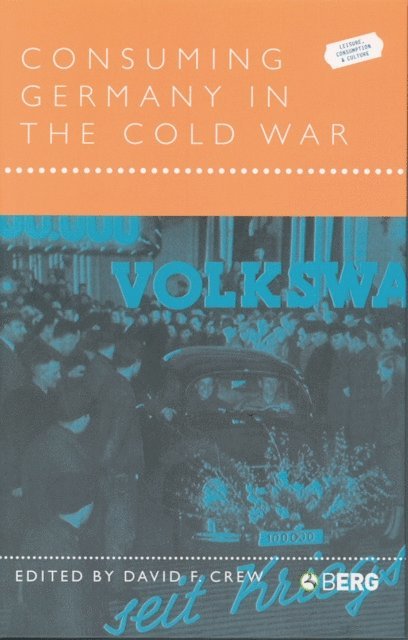
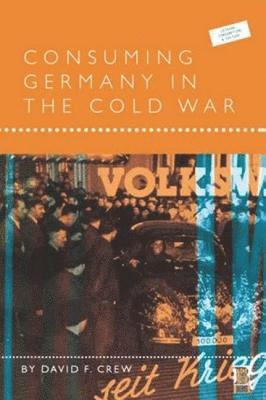
Sitting in the ruins of the Third Reich, most Germans wanted to know which of the two post-war German states would erase the material traces of their wartime suffering most quickly and most thoroughly. Consumption and the quality of everyday life quickly became important battlefields upon which the East-West conflict would be fought. This book focuses on the competing types of consumer societies that developed over time in the two Germanies and the legacy each left. Consuming Germany in the Cold War assesses why East Germany increasingly fell behind in this competition and how the failure to create a viable socialist "consumer society" in the East helped lead to the fall of the Berlin Wall in 1989. By the 1970s, East Germans were well aware that the regime's bombastic promises that the GDR would soon overtake the West had become increasingly hollow. For most East German citizens, West German consumer society set the standards that East Germany repeatedly failed to meet.By exploring the ways in which East and West Germany have functioned as each other's "other" since 1949, this book suggests some of the possibilities for a new narrative of post-war German history.While taking into account the very different paths pursued by East and West Germany since 1949, the contributors demonstrate the importance of competition and highlight the connections between the two German successor states, as well as the ways in which these relationships changed throughout the period. By understanding the legacy that forty-plus years of rivalry established, we can gain a better understanding of the current tensions between the eastern and western regions of a united Germany.
489 kr
Skickas inom 10-15 vardagar
Sitting in the ruins of the Third Reich, most Germans wanted to know which of the two post-war German states would erase the material traces of their wartime suffering most quickly and most thoroughly. Consumption and the quality of everyday life quickly became important battlefields upon which the East-West conflict would be fought. This book focuses on the competing types of consumer societies that developed over time in the two Germanies and the legacy each left. Consuming Germany in the Cold War assesses why East Germany increasingly fell behind in this competition and how the failure to create a viable socialist "consumer society" in the East helped lead to the fall of the Berlin Wall in 1989. By the 1970s, East Germans were well aware that the regime's bombastic promises that the GDR would soon overtake the West had become increasingly hollow. For most East German citizens, West German consumer society set the standards that East Germany repeatedly failed to meet.By exploring the ways in which East and West Germany have functioned as each other's "other" since 1949, this book suggests some of the possibilities for a new narrative of post-war German history.While taking into account the very different paths pursued by East and West Germany since 1949, the contributors demonstrate the importance of competition and highlight the connections between the two German successor states, as well as the ways in which these relationships changed throughout the period. By understanding the legacy that forty-plus years of rivalry established, we can gain a better understanding of the current tensions between the eastern and western regions of a united Germany.