David F. Hardwick – författare
Visar alla böcker från författaren David F. Hardwick. Handla med fri frakt och snabb leverans.
3 produkter
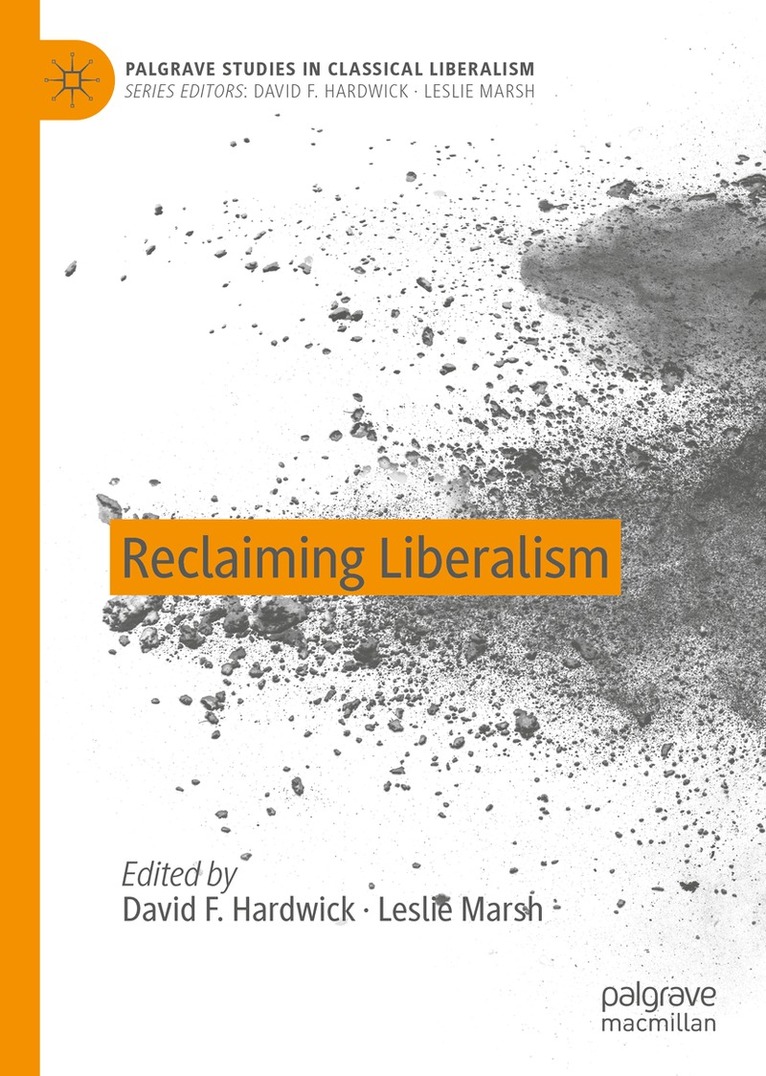
Reclaiming Liberalism
Av David F. Hardwick, Leslie Marsh
Inbunden, 2020
1094 kr
Lägg i varukorg
“David Hardwick and Leslie Marsh have assembled a contentious collection of independent thinkers on liberalism’s identity and prospects. Should liberalism be democratic, classical, ordo, legalistic, culture-based, market-based, or what? The international crew of authors—from Australia, Canada, …
Reclaiming Liberalism
Av Leslie Marsh, David F. Hardwick
E-bok, 2020
1459 kr
Lägg i varukorg
“David Hardwick and Leslie Marsh have assembled a contentious collection of independent thinkers on liberalism’s identity and prospects. Should liberalism be democratic, classical, ordo, legalistic, culture-based, market-based, or what? The international crew of authors—from Australia, Canada, …
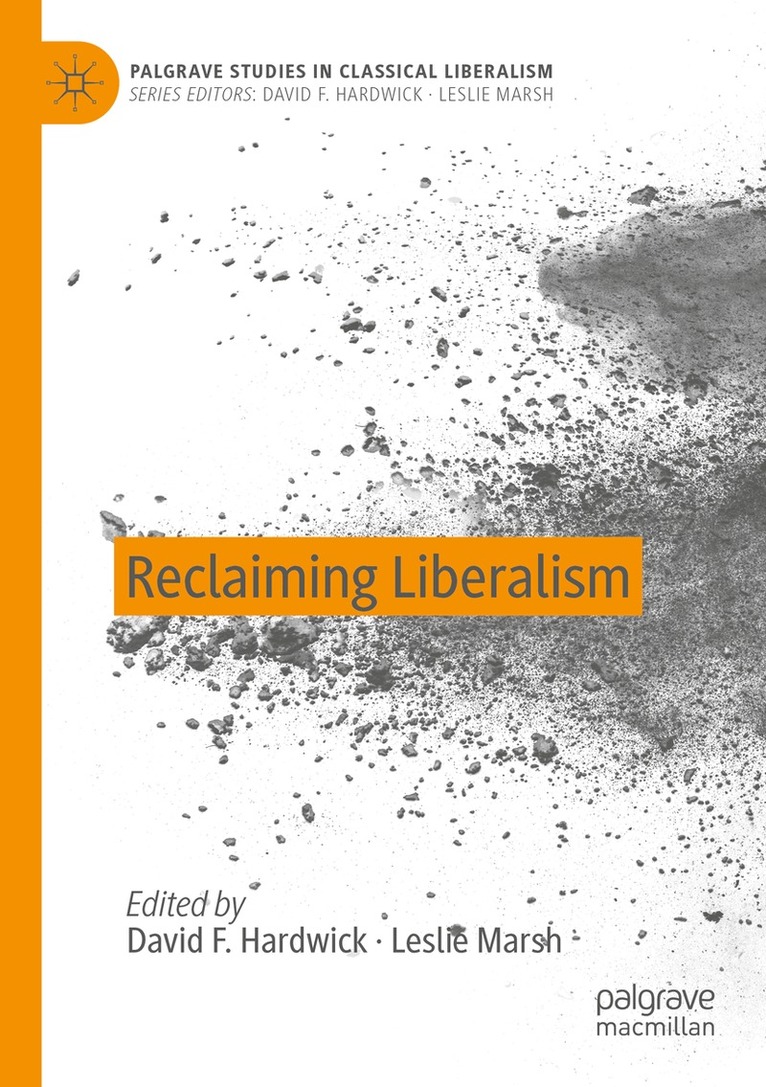
Reclaiming Liberalism
Av David F. Hardwick, Leslie Marsh
Häftad, 2021
1094 kr
Lägg i varukorg
“David Hardwick and Leslie Marsh have assembled a contentious collection of independent thinkers on liberalism’s identity and prospects. Should liberalism be democratic, classical, ordo, legalistic, culture-based, market-based, or what? The international crew of authors—from Australia, Canada, …