David G. Angeler – författare
Visar alla böcker från författaren David G. Angeler. Handla med fri frakt och snabb leverans.
4 produkter
4 produkter
E-bok
Tyska, 201792 kr
Läs direkt efter köp
Durch''s Unkraut geschrieben ist eine Sammlung von konstruktiv-kritischen Kurzgeschichten, die Elemente der Satire, Ironie und erhellenden Boshaftigkeit verschmelzen, ohne einseitig destruktiv zu sein. Die Geschichten beleuchten verschiedene Gesellschaftsaspekte wie Religion, Rassismus, Terrorismus und Kapitalismus. Sie setzen sich auch mit dem gegenwärtigen wissenschaftlichen Forschungs- und Universitätswesen auseinander, um dem Leser und der Leserin Einsicht in eine weniger bekannte, doch wichtige Facette der heutigen Gesellschaft zu gewähren. Elemente des Widerspruchs sind oft absichtlich eingebaut, um Absurdität und Zwiespalt hervorzuheben. »Durch''s Unkraut geschrieben« verkörpert schlechthin eine unorthodoxe Weise des vorsichtigen Übens von Kritik, die sich von der konventionelleren Redewendung »durch die Blume gesagt« ableitet.
Inbunden, Engelska, 2010
1 633 kr
Skickas inom 10-15 vardagar
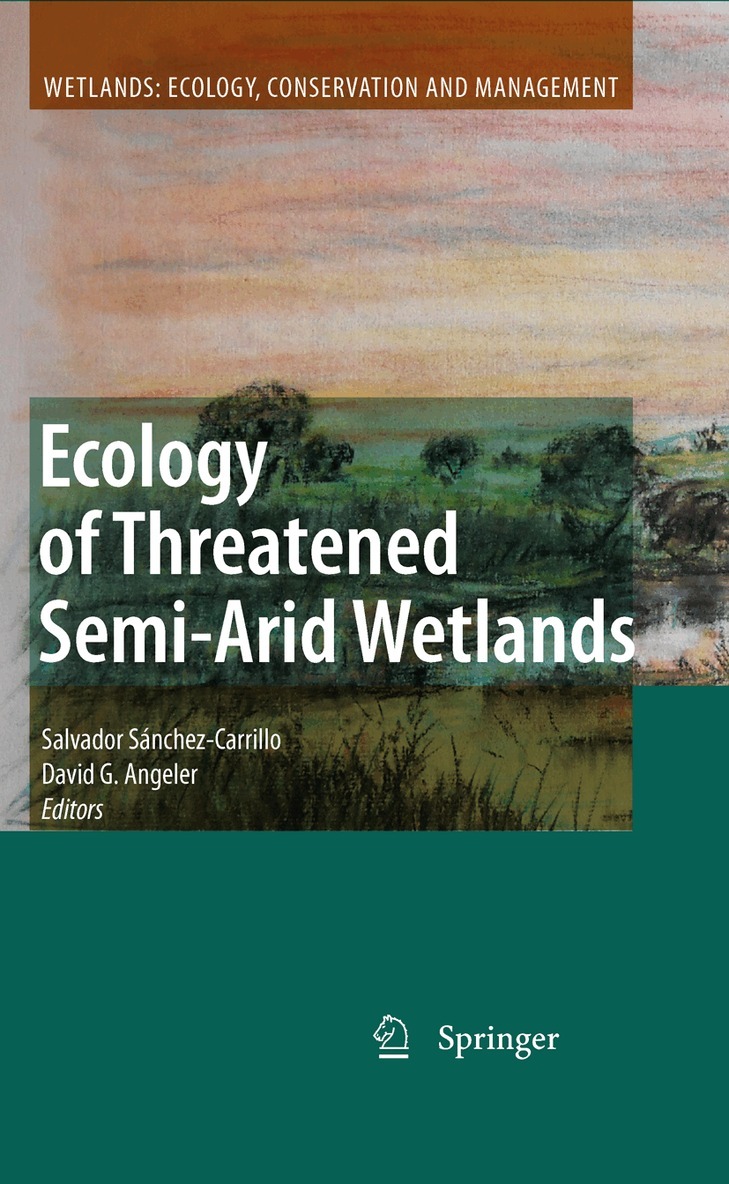
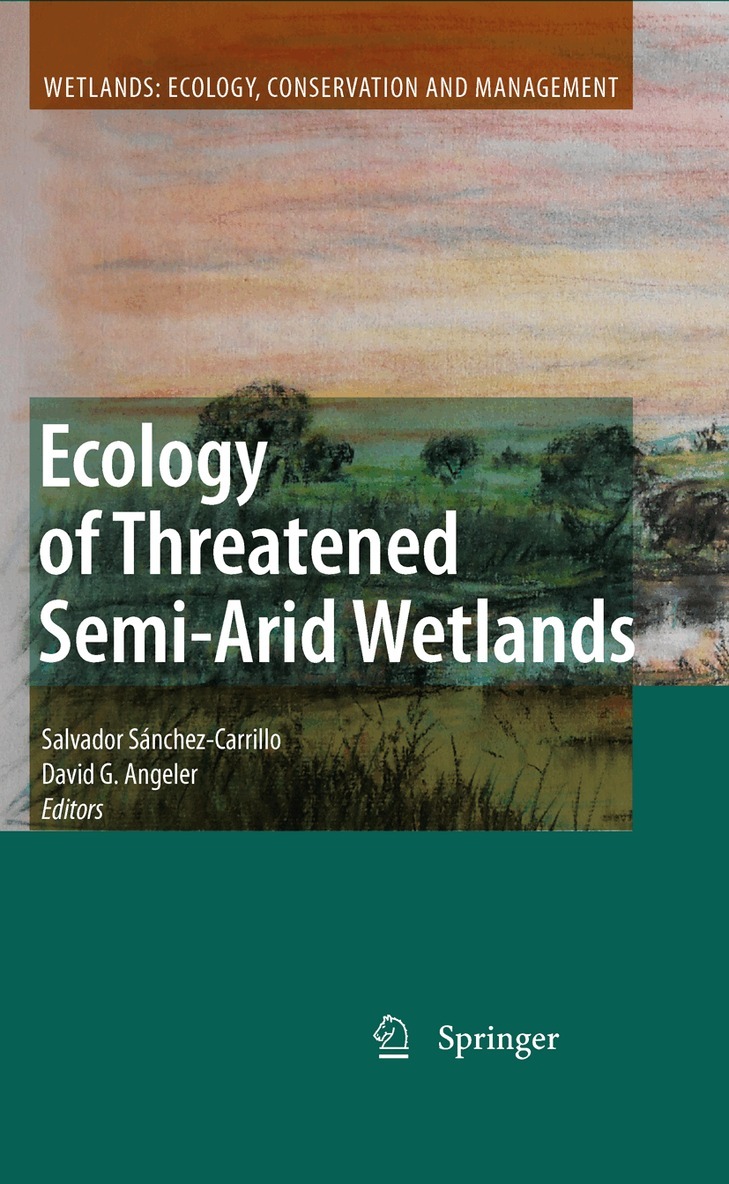
Playing a critical role in both influencing climate change and mitigating its impacts, the world’s diverse wetlands have become one of the world’s most threatened ecosystems as unsustainable land-use practices coupled with irrational use of water have already resulted in large-scale wetlands loss and degradation.To develop sound management and conservation schemes to assure wetlands sustainability in the long term requires long-term understanding of wetlands ecology. Yet until now, long-term interdisciplinary research into these systems has been limited to only a few systems from tropical or temperate climates (such as the Florida Everglades, and Czech biosphere reserve). This new book adds to the existing wetlands literature, providing a unique reference in basic and applied Mediterranean wetland ecology, based on results from long-term interdisciplinary research at the RAMSAR and UNESCO Biosphere site, of Las Tablas de Daimiel, Spain.Dating back to the early 1990s the research highlights changes in the biotic and abiotic environment in response to cumulative anthropogenic stressors, and provide guidance on applying this understand to sound management and conservation. With particular relevance to researchers dealing with semi-arid wetlands in the Mediterranean and elsewhere, as well as to resource managers, the book discusses the complexity of the interacting abiotic and biotic environment across different spatial and temporal scales and across various levels of biological hierarchy is highlighted, and reveals how management based on poor knowledge causes more damage than repair.The book will be of interest to researchers interested in freshwater ecology, hydrobotany, hydrology, geology, biogeochemistry, landscape ecology and environmental management.
E-bok
PDF, Engelska, 20111 977 kr
Läs direkt efter köp
Playing a critical role in both influencing climate change and mitigating its impacts, the world’s diverse wetlands have become one of the world’s most threatened ecosystems as unsustainable land-use practices coupled with irrational use of water have already resulted in large-scale wetlands loss and degradation.To develop sound management and conservation schemes to assure wetlands sustainability in the long term requires long-term understanding of wetlands ecology. Yet until now, long-term interdisciplinary research into these systems has been limited to only a few systems from tropical or temperate climates (such as the Florida Everglades, and Czech biosphere reserve). This new book adds to the existing wetlands literature, providing a unique reference in basic and applied Mediterranean wetland ecology, based on results from long-term interdisciplinary research at the RAMSAR and UNESCO Biosphere site, of Las Tablas de Daimiel, Spain.Dating back to the early 1990s the research highlights changes in the biotic and abiotic environment in response to cumulative anthropogenic stressors, and provide guidance on applying this understand to sound management and conservation. With particular relevance to researchers dealing with semi-arid wetlands in the Mediterranean and elsewhere, as well as to resource managers, the book discusses the complexity of the interacting abiotic and biotic environment across different spatial and temporal scales and across various levels of biological hierarchy is highlighted, and reveals how management based on poor knowledge causes more damage than repair.The book will be of interest to researchers interested in freshwater ecology, hydrobotany, hydrology, geology, biogeochemistry, landscape ecology and environmental management.
Häftad, Engelska, 2012
1 633 kr
Skickas inom 10-15 vardagar
Playing a critical role in both influencing climate change and mitigating its impacts, the world’s diverse wetlands have become one of the world’s most threatened ecosystems as unsustainable land-use practices coupled with irrational use of water have already resulted in large-scale wetlands loss and degradation.To develop sound management and conservation schemes to assure wetlands sustainability in the long term requires long-term understanding of wetlands ecology. Yet until now, long-term interdisciplinary research into these systems has been limited to only a few systems from tropical or temperate climates (such as the Florida Everglades, and Czech biosphere reserve). This new book adds to the existing wetlands literature, providing a unique reference in basic and applied Mediterranean wetland ecology, based on results from long-term interdisciplinary research at the RAMSAR and UNESCO Biosphere site, of Las Tablas de Daimiel, Spain.Dating back to the early 1990s the research highlights changes in the biotic and abiotic environment in response to cumulative anthropogenic stressors, and provide guidance on applying this understand to sound management and conservation. With particular relevance to researchers dealing with semi-arid wetlands in the Mediterranean and elsewhere, as well as to resource managers, the book discusses the complexity of the interacting abiotic and biotic environment across different spatial and temporal scales and across various levels of biological hierarchy is highlighted, and reveals how management based on poor knowledge causes more damage than repair.The book will be of interest to researchers interested in freshwater ecology, hydrobotany, hydrology, geology, biogeochemistry, landscape ecology and environmental management.