David Hakken – författare
Visar alla böcker från författaren David Hakken. Handla med fri frakt och snabb leverans.
14 produkter
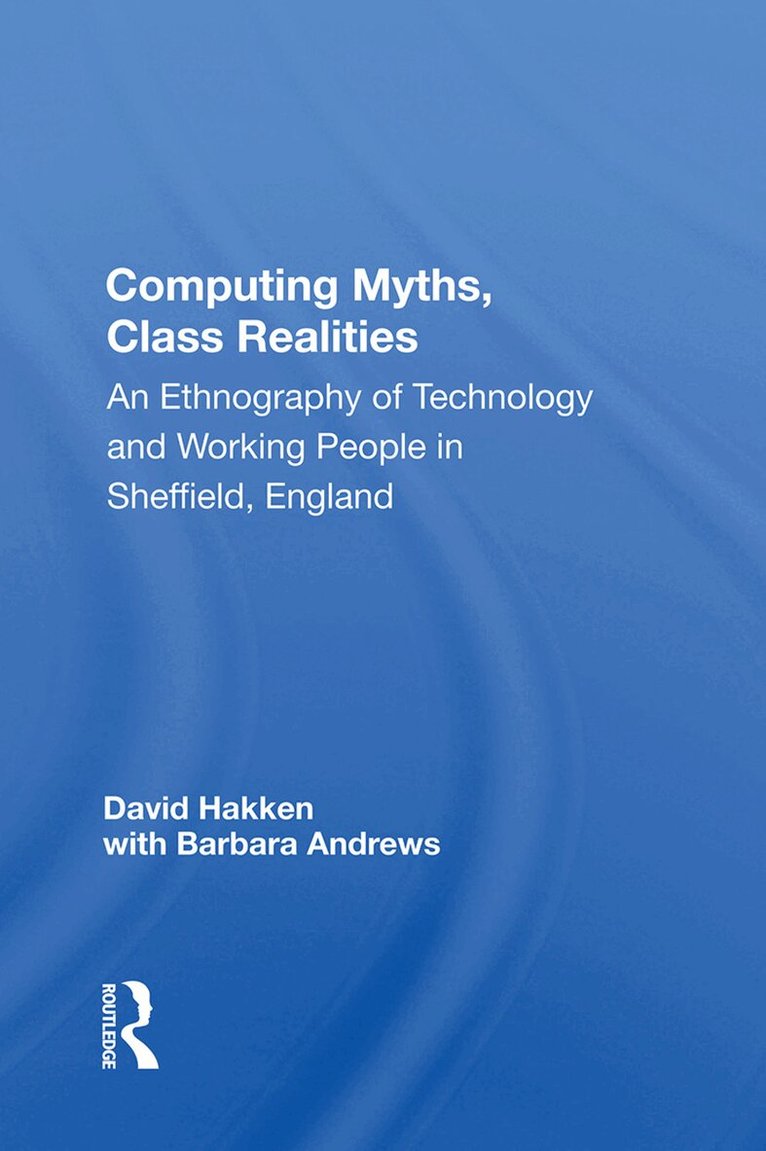
Computing Myths, Class Realities
An Ethnography of Technology and Working People in Sheffield, England
Av David Hakken
Inbunden, 2019
2510 kr
Lägg i varukorg
This study of computing in an economically transforming city in the north of England looks at how new information technologies effect and are affected by a historically vibrant working-class culture. Stressing the complex interplay between technology and culture, especially notions about work and …
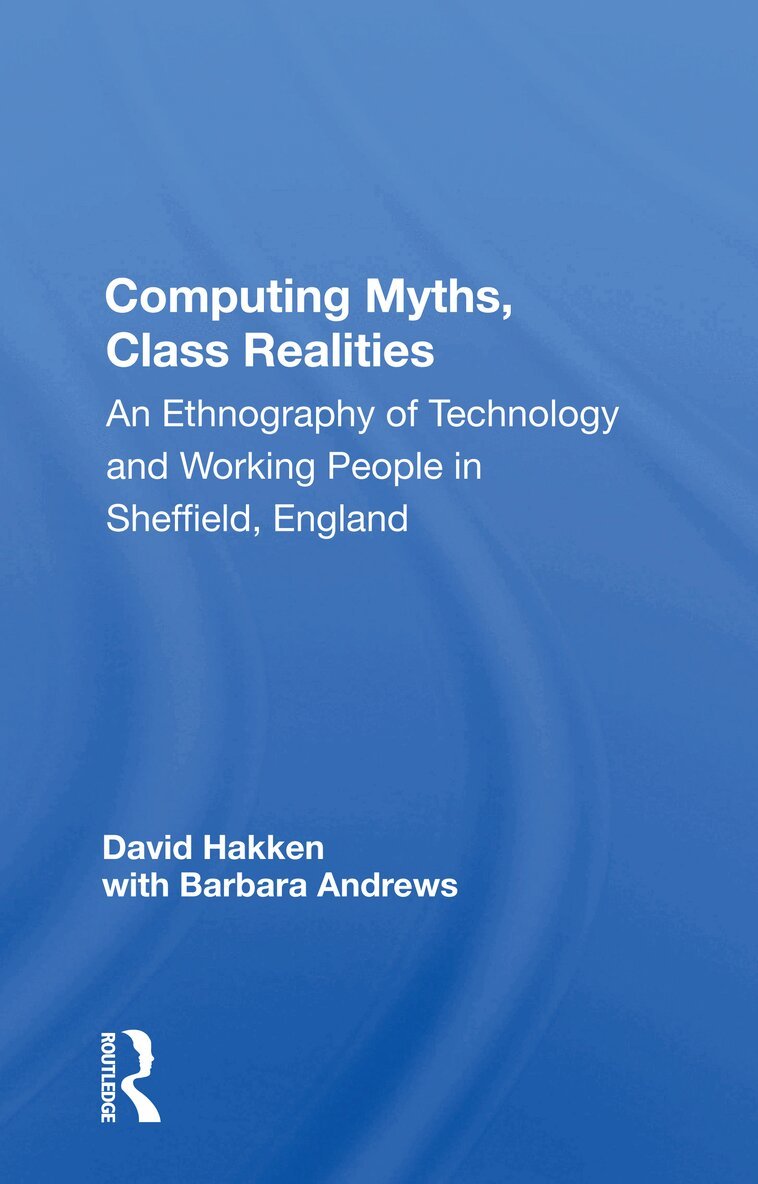
Computing Myths, Class Realities
An Ethnography of Technology and Working People in Sheffield, England
Av David Hakken
Häftad, 2020
691 kr
Lägg i varukorg
This book presents a study of computing in an economically transforming city in the north of England to look at how new information technologies effect and are affected by a historically vibrant working-class culture. It is about the extensive change, taking place in contemporary societies.
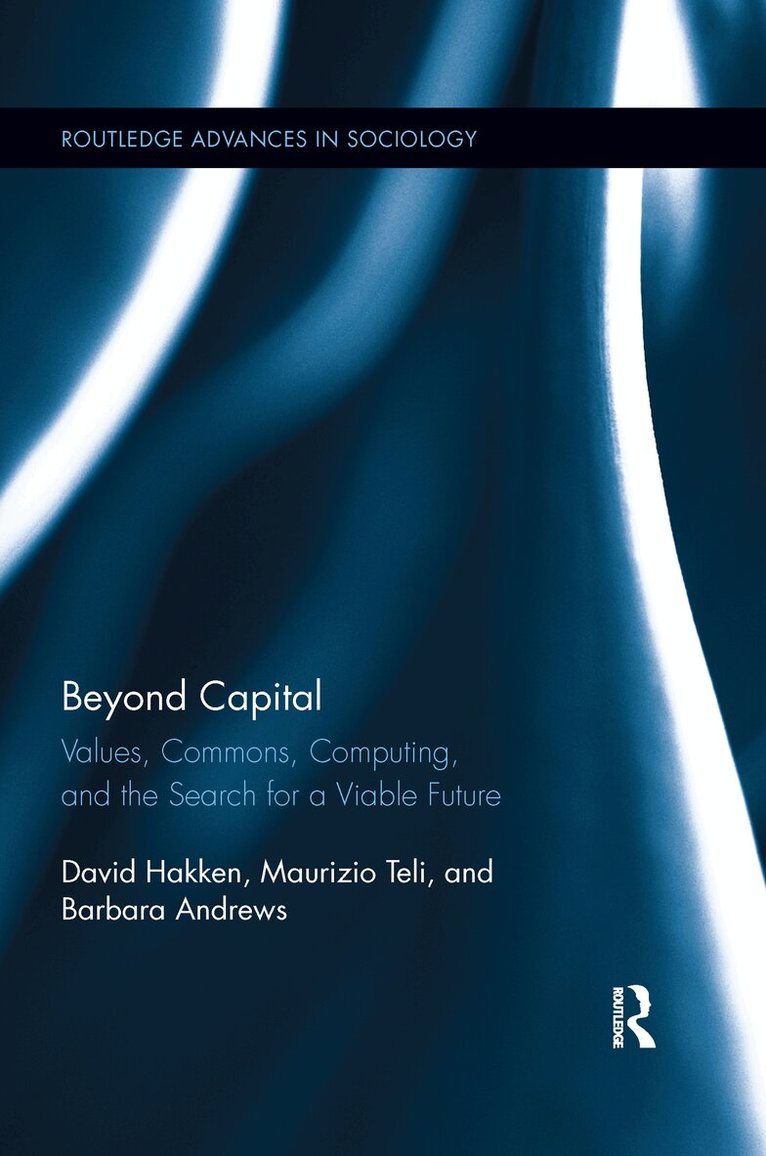
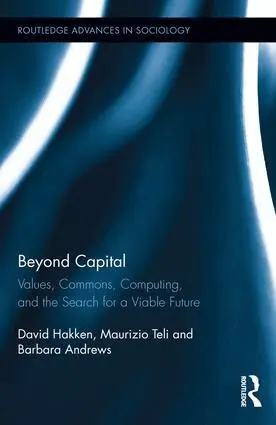
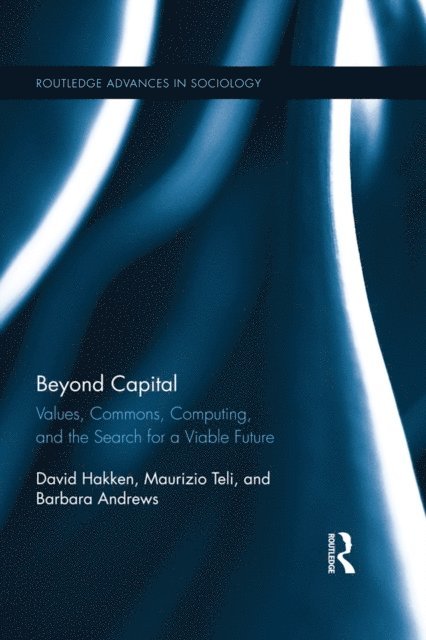
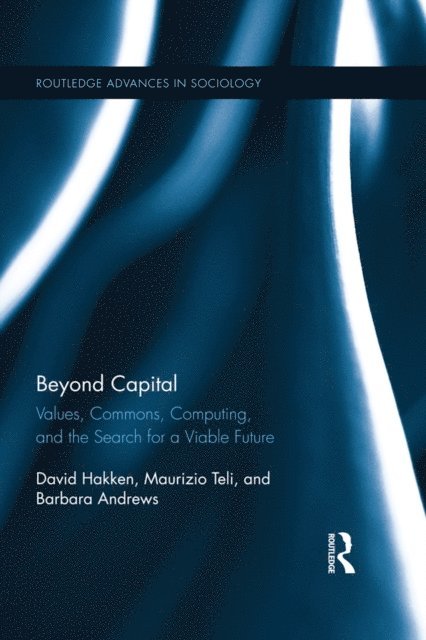
Beyond Capital
Values, Commons, Computing, and the Search for a Viable Future
Av David Hakken, Maurizio Teli m. fl.
Häftad, 2020
691 kr
Lägg i varukorg
The financial/social cataclysm beginning in 2007 ended notions of a “great moderation” and the view that capitalism had overcome its systemic tendencies to crisis. The subsequent failure of contemporary social formations to address the causes of the crisis gives renewed impetus to better analysis …
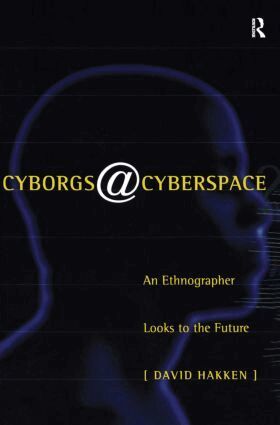
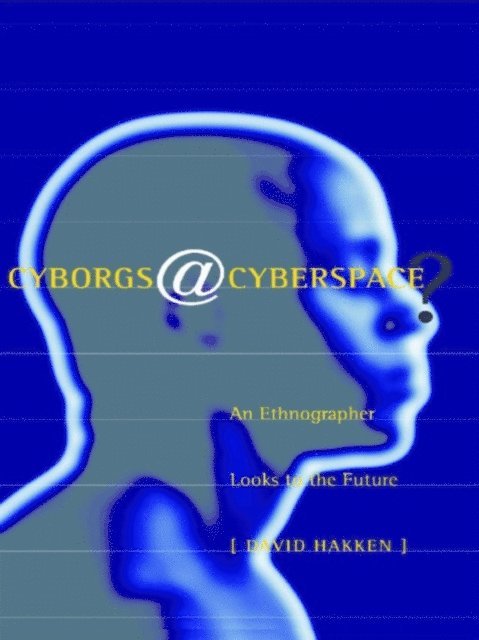
Cyborgs@Cyberspace?
An Ethnographer Looks to the Future
Av David Hakken
Häftad, 1999
633 kr
Lägg i varukorg
Arguing that humans have always been technological as well as cultural beings, David Hakken calls for a fundamental rethinking of the traditional separation of anthropology and technical studies. Drawing on three decades of research on contemporary technological societies, this book outlines a …
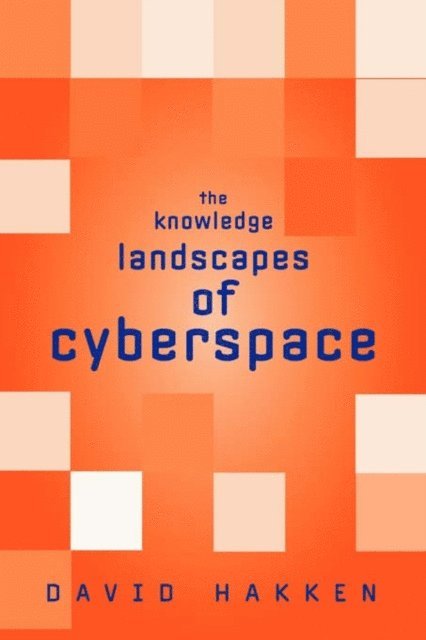
Knowledge Landscapes of Cyberspace
Av David Hakken
Häftad, 2003
371 kr
Lägg i varukorg
How is knowledge produced and used in cyberspace? David Hakken - a key figure in the anthropology of science and technology studies - approaches the study of cyberculture through the venue of knowledge production, drawing on critical theory from anthropology, philosophy and informatics (computer …
Computing Myths, Class Realities
An Ethnography Of Technology And Working People In Sheffield, England
Av David Hakken
E-bok, 2019
814 kr
Lägg i varukorg
This study of computing in an economically transforming city in the north of England looks at how new information technologies effect and are affected by a historically vibrant working-class culture. Stressing the complex interplay between technology and culture, especially notions about work and …
Computing Myths, Class Realities
An Ethnography Of Technology And Working People In Sheffield, England
Av David Hakken
E-bok, 2019
796 kr
Lägg i varukorg
This study of computing in an economically transforming city in the north of England looks at how new information technologies effect and are affected by a historically vibrant working-class culture. Stressing the complex interplay between technology and culture, especially notions about work and …
Knowledge Landscapes of Cyberspace
Av David Hakken
E-bok, 2004
433 kr
Lägg i varukorg
How is knowledge produced and used in cyberspace? David Hakken - a key figure in the anthropology of science and technology studies - approaches the study of cyberculture through the venue of knowledge production, drawing on critical theory from anthropology, philosophy and informatics (computer …
Knowledge Landscapes of Cyberspace
Av David Hakken
E-bok, 2004
433 kr
Lägg i varukorg
How is knowledge produced and used in cyberspace? David Hakken - a key figure in the anthropology of science and technology studies - approaches the study of cyberculture through the venue of knowledge production, drawing on critical theory from anthropology, philosophy and informatics (computer …
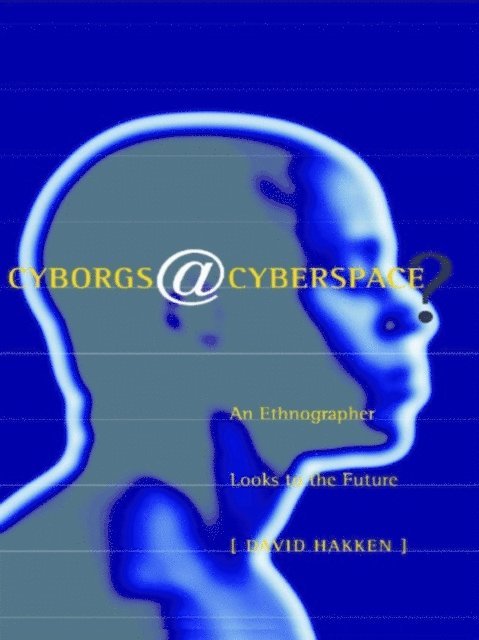
Cyborgs@Cyberspace?
An Ethnographer Looks to the Future
Av David Hakken
E-bok, 2002
729 kr
Lägg i varukorg
Arguing that humans have always been technological as well as cultural beings, David Hakken calls for a fundamental rethinking of the traditional separation of anthropology and technical studies. Drawing on three decades of research on contemporary technological societies, this book outlines a …
Cyborgs@Cyberspace?
An Ethnographer Looks to the Future
Av David Hakken
E-bok, 2002
745 kr
Lägg i varukorg
Arguing that humans have always been technological as well as cultural beings, David Hakken calls for a fundamental rethinking of the traditional separation of anthropology and technical studies. Drawing on three decades of research on contemporary technological societies, this book outlines a …
Beyond Capital
Values, Commons, Computing, and the Search for a Viable Future
Av David Hakken, Maurizio Teli m. fl.
Inbunden, 2015
2510 kr
Lägg i varukorg
The financial/social cataclysm beginning in 2007 ended notions of a “great moderation” and the view that capitalism had overcome its systemic tendencies to crisis. The subsequent failure of contemporary social formations to address the causes of the crisis gives renewed impetus to better analysis …
Beyond Capital
Values, Commons, Computing, and the Search for a Viable Future
Av Barbara Andrews, Maurizio Teli m. fl.
E-bok, 2015
796 kr
Lägg i varukorg
The financial/social cataclysm beginning in 2007 ended notions of a “great moderation†and the view that capitalism had overcome its systemic tendencies to crisis. The subsequent failure of contemporary social formations to address the causes of the crisis gives renewed impetus to better …
Beyond Capital
Values, Commons, Computing, and the Search for a Viable Future
Av Barbara Andrews, Maurizio Teli m. fl.
E-bok, 2015
788 kr
Lägg i varukorg
The financial/social cataclysm beginning in 2007 ended notions of a “great moderation†and the view that capitalism had overcome its systemic tendencies to crisis. The subsequent failure of contemporary social formations to address the causes of the crisis gives renewed impetus to better …