
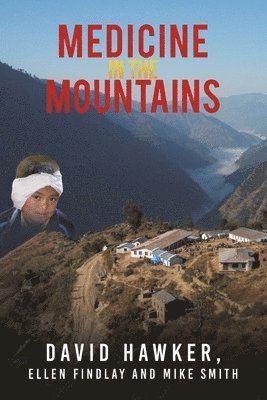
Against the background of broad brush strokes of Nepal's history and geography, David Hawker tells a dramatic story. After 20 years working in Nepal, Nurse Ellen Findlay saw an opportunity to go and attempt to meet the desperate needs of people living in the remote and inaccessible mountains of Nepal. With vision, determination and bravery, she and surgeon Mike Smith pioneered outreach into some of Nepal's most isolated and poverty-stricken communities. For 25 years, 7-10 day surgical, medical and dental camps were organised, treating more than 100,000 sick people during civil war and political upheaval, many in places with no roads or airstrips. Finally, after the massive earthquake of 2015, specialist gynaecological and ear centres were established to provide ongoing treatment and training for Nepali clinicians.
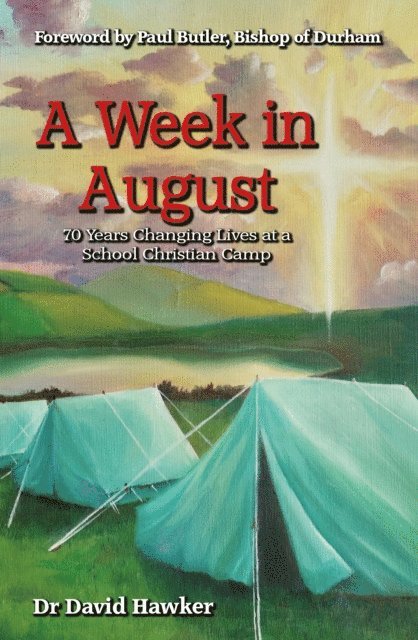
There’s a real sense of posterity and pride in A Week in August. Author David Hawker reflects on an institution established in 1951, in which he played an active role for decades and revisits later in life. The comparison between generations is a strong platform from which Hawker comments on changing times and attitudes. This perspective makes his ideas, and by association the goals of the camp itself, even more meaningful and vital - particularly in an age of spiritual ennui. By remembering this valuable fellowship in print, the camp enters the realms of posterity with a bright hope for the future. Remembered with fondness and the ever-present notion in that everything we experience can teach us something, this is a valuable work for future and past generations both.
Against the background of broad brush strokes of Nepal's history and geography, David Hawker tells a dramatic story. After 20 years working in Nepal, Nurse Ellen Findlay saw an opportunity to go and attempt to meet the desperate needs of people living in the remote and inaccessible mountains of Nepal. With vision, determination and bravery, she and surgeon Mike Smith pioneered outreach into some of Nepal's most isolated and poverty-stricken communities. For 25 years, 7-10 day surgical, medical and dental camps were organised, treating more than 100,000 sick people during civil war and political upheaval, many in places with no roads or airstrips. Finally, after the massive earthquake of 2015, specialist gynaecological and ear centres were established to provide ongoing treatment and training for Nepali clinicians.
There’s a real sense of posterity and pride in A Week in August. Author David Hawker reflects on an institution established in 1951, in which he played an active role for decades and revisits later in life. The comparison between generations is a strong platform from which Hawker comments on changing times and attitudes. This perspective makes his ideas, and by association the goals of the camp itself, even more meaningful and vital - particularly in an age of spiritual ennui. By remembering this valuable fellowship in print, the camp enters the realms of posterity with a bright hope for the future. Remembered with fondness and the ever-present notion in that everything we experience can teach us something, this is a valuable work for future and past generations both.