David Hopkin – författare
Visar alla böcker från författaren David Hopkin. Handla med fri frakt och snabb leverans.
6 produkter
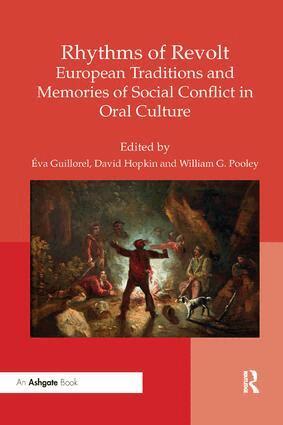
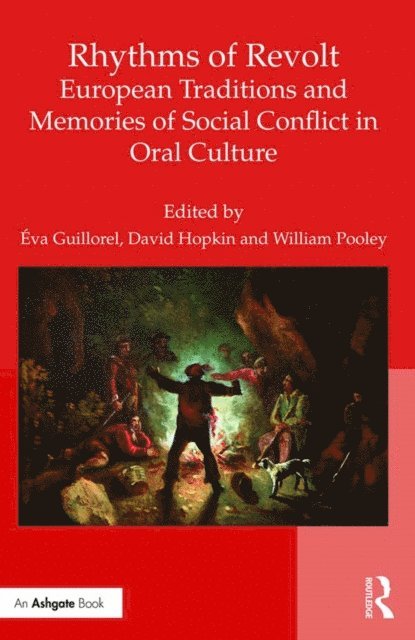
Rhythms of Revolt: European Traditions and Memories of Social Conflict in Oral Culture
Av Éva Guillorel, David Hopkin m. fl.
Häftad, 2019
787 kr
Lägg i varukorg
The culture of insurgents in early modern Europe was primarily an oral one; memories of social conflicts in the communities affected were passed on through oral forms such as songs and legends. This popular history continued to influence political choices and actions through and after the early …
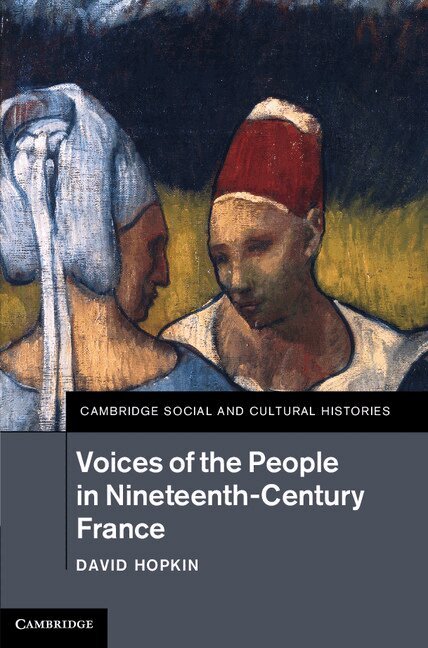
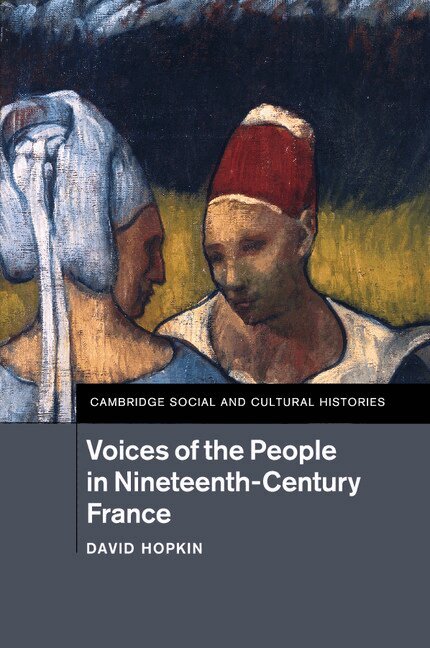
Voices of the People in Nineteenth-Century France
Av David Hopkin
Inbunden, 2012
1389 kr
Lägg i varukorg
This innovative study of the lives of ordinary people - peasants, fishermen, textile workers - in nineteenth-century France demonstrates how folklore collections can be used to shed new light on the socially marginalized. David Hopkin explores the ways in which people used traditional genres such …
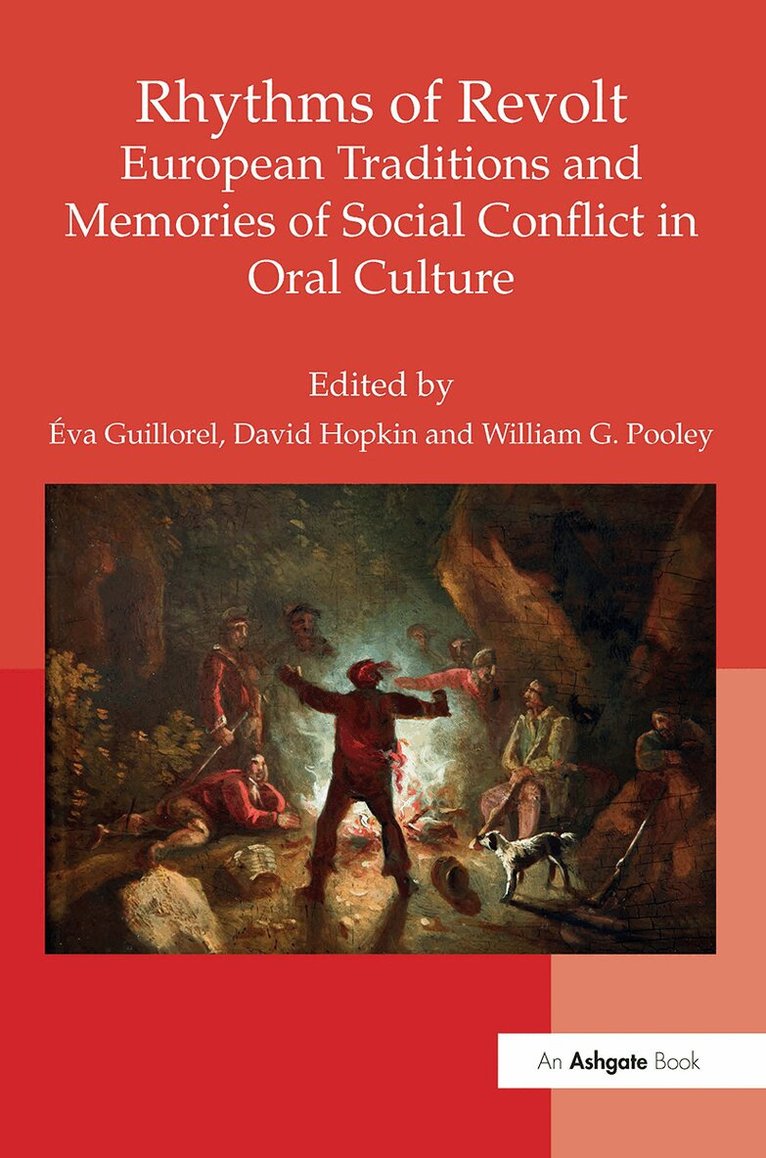
Rhythms of Revolt: European Traditions and Memories of Social Conflict in Oral Culture
Av Éva Guillorel, David Hopkin m. fl.
Inbunden, 2017
3525 kr
Lägg i varukorg
The culture of insurgents in early modern Europe was primarily an oral one; memories of social conflicts in the communities affected were passed on through oral forms such as songs and legends. This popular history continued to influence political choices and actions through and after the early …
Rhythms of Revolt: European Traditions and Memories of Social Conflict in Oral Culture
Av William G. Pooley, David Hopkin m. fl.
E-bok, 2017
1013 kr
Lägg i varukorg
The culture of insurgents in early modern Europe was primarily an oral one; memories of social conflicts in the communities affected were passed on through oral forms such as songs and legends. This popular history continued to influence political choices and actions through and after the early …
Rhythms of Revolt: European Traditions and Memories of Social Conflict in Oral Culture
Av William G. Pooley, David Hopkin m. fl.
E-bok, 2017
1036 kr
Lägg i varukorg
The culture of insurgents in early modern Europe was primarily an oral one; memories of social conflicts in the communities affected were passed on through oral forms such as songs and legends. This popular history continued to influence political choices and actions through and after the early …
Voices of the People in Nineteenth-Century France
Av David Hopkin
Häftad, 2017
586 kr
Lägg i varukorg
This innovative study of the lives of ordinary people - peasants, fishermen, textile workers - in nineteenth-century France demonstrates how folklore collections can be used to shed new light on the socially marginalized. David Hopkin explores the ways in which people used traditional genres such …