David Howard Davis – författare
Visar alla böcker från författaren David Howard Davis. Handla med fri frakt och snabb leverans.
2 produkter
2 produkter
Ignoring the Apocalypse
Why Planning to Prevent Environmental Catastrophe Goes Astray
Inbunden, Engelska, 2007
675 kr
Skickas inom 10-15 vardagar
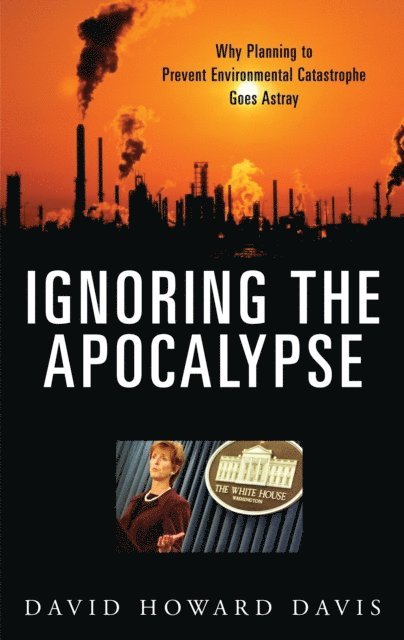
Environmentalists often predict an Apocalypse is coming: The earth will heat up like a greenhouse. We will run out of energy. Overpopulation will lead to starvation and war. Nuclear winter will kill all plants and animals. During the past fifty to one hundred years, Americans have heard many prophecies of doom, such as the Club of Rome report predicting the world economy would crash about the year 2020. These do not come as complete surprises without any warnings. Sometimes the United States simply ignores the threats, but other times it makes plans to prevent them. This provocative book asks whether American planning is different for dangers that are truly apocalyptic—ones that could end life on the planet or at least modern economic prosperity.This provocative book begins by asking whether American planning is different for dangers that are truly apocalyptic—ones that could end life on the planet or at least modern economic prosperity. It goes on to ask why Americans ignore so many problems like the greenhouse effect or an oil shortage or nuclear war, problems that have been forecast many times. Then when the United States does plan, why do those plans often go astray?
2 113 kr
Skickas inom 10-15 vardagar
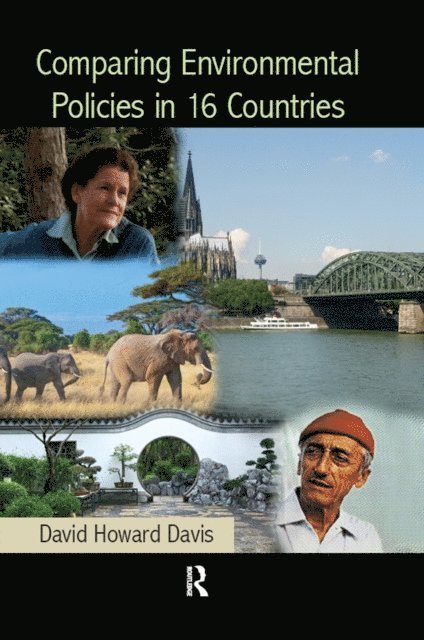
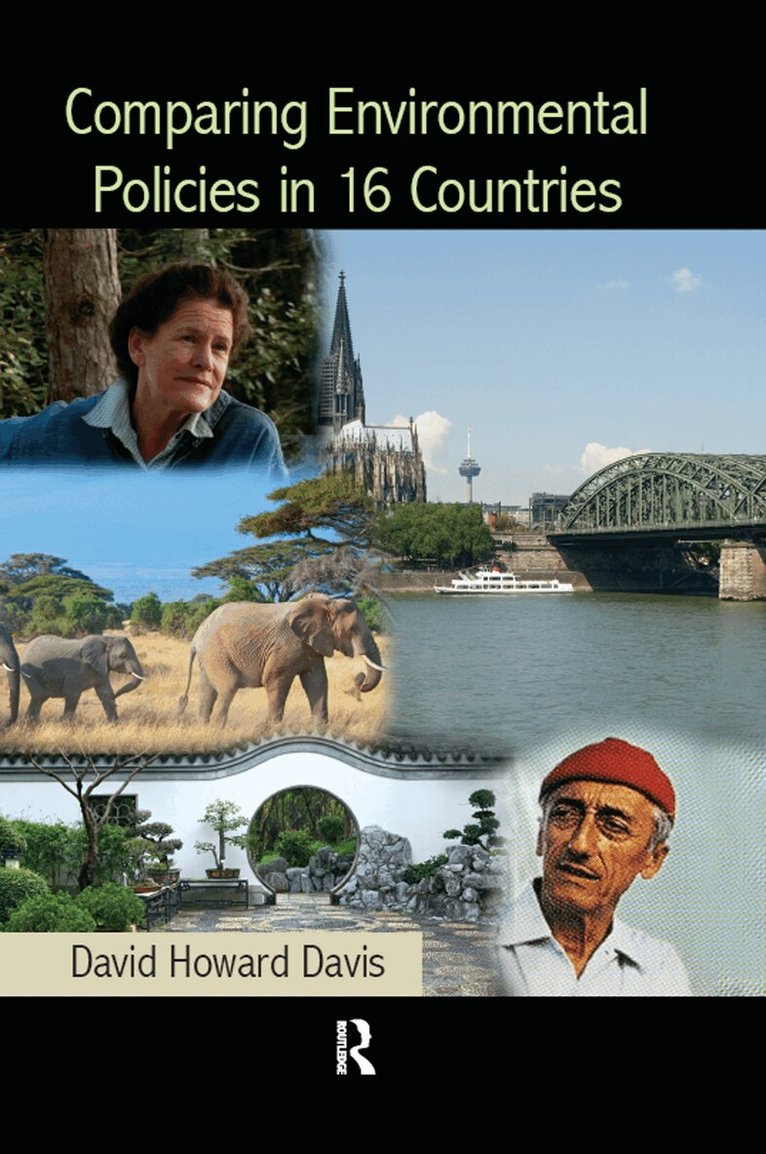
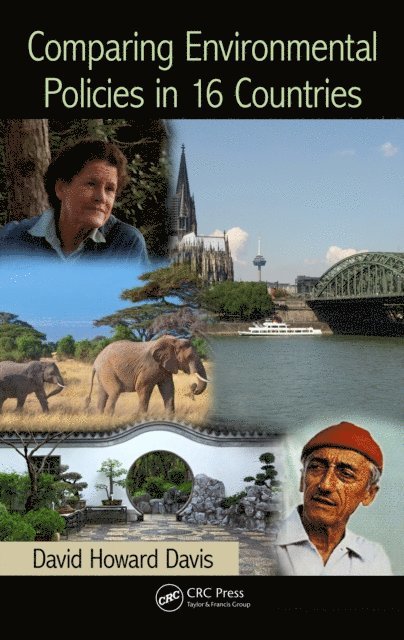
Based on the author’s 39 years of teaching environmental policy, working in Washington, and traveling, Comparing Environmental Policies in 16 Countries offers a complete primer in environmental dilemmas and policies from a comparative perspective. The book covers 16 countries according to five themes: participation, interest groups, political parties, governmental structures, and the diplomatic agenda. The author has visited all of the 16 countries and offers original insights on the dynamics of their policies.The author balances theory and practical solutions, comparing policies, highlighting successes and failures, and suggesting best practices. He looks for common features such as the Environmental Decade or response to the Kyoto Protocol. He finds many cases of diffusion such as the impact of Rachel Carson or Jacques Cousteau. The analysis ranges from advanced industrial countries to developing ones. The tone is positive, with facts and ideas conveyed through vignettes Each chapter concludes with highlights of what that country received from others, such as the popularity of Carson’s book or Cousteau’s films, and innovations, such as the idea of a national park or of a green political party.From the theoretical perspective, comparing environmental issues can illuminate other policy areas. Over all, the book demonstrates rapid diffusion among the Western democracies, and slower diffusion to Russia and China.