David Instone-Brewer – författare
Visar alla böcker från författaren David Instone-Brewer. Handla med fri frakt och snabb leverans.
10 produkter
10 produkter
Häftad, Engelska, 2002
392 kr
Skickas inom 5-8 vardagar
Häftad, Engelska, 2004
576 kr
Skickas inom 5-8 vardagar
Häftad, Engelska, 2011
624 kr
Skickas inom 3-6 vardagar
Häftad, Engelska, 2006
303 kr
Skickas inom 3-6 vardagar
Häftad, Engelska, 2019
126 kr
Skickas
Are all the moral commands of the Bible meant to be obeyed exactly for all time, or are there some that need to be adapted for our modern world? Scripture contains lots of guidance on ethical issues, including statements about polygamy, slavery, divorce, sex, and other things that sound strange to our modern ears. Even Christians, who believe the Bible is God's word, disagree on whether women should wear head coverings, whether Christians can ever lie, whether women should preach, and whether Christians should drink alcohol. How can we resolve these issues and figure out how to apply the Bible to our lives? David Instone-Brewer helps answer this question by showing how the Bible's moral commands were understood in their ancient cultural context. The more we understand what God and the biblical authors intended to communicate to the original audience, the better we will be able to make sense of how to apply those commands today.In brief chapters that address a wide variety of moral issues, Instone-Brewer equips Bible readers with a paradigm they can use to discern matters for themselves: Is a biblical command timeless or time-bound? If the command itself is time-bound, what is the timeless purpose behind it? And how do we remain faithful to the Bible's commands today even when handling subjects the Bible does not address? The Scripture in Context series is driven by the conviction that there is nothing as exciting, direct, provocative, and spiritually enlightening as the Bible when we read it as it was meant to be read. Each book in the series dives into the ancient cultural context behind Bible passages, examining the effect this context had on what the Bible writers were saying and how we should understand their words today. When we read the Bible in light of its context, it is anything but boring. Instead, God's word can speak to us as powerfully as it did to those who first read it. Chapters are short and informal, so it's easy to read one chapter at a time or the whole book straight through.
Häftad, Engelska, 2020
133 kr
Skickas inom 5-8 vardagar
You know the doctrines, but are they biblical? Too often, Christians are content to state a doctrine, list a few supporting Bible passages, and proceed on to the next. But are these doctrines truly derived from the Bible, or are we slotting verses into our pre-determined theological grids?In Church Doctrine and the Bible, biblical scholar David Instone-Brewer applies his expertise in first-century backgrounds and culture to popular Christian doctrines. Peeling away thousands of years of theological development reveals how the Bible's original hearers would have understood these doctrines and helps us resolve some of our doctrinal disputes and misunderstandings. Through this process, Instone-Brewer answers the question, "is this doctrine biblical?"Church Doctrine and the Bible will help pastors, theologians, and laypersons see familiar doctrines with fresh, first-century, eyes. By restoring the revolutionary simplicity of the Bible's teachings, we gain new insights into these doctrines and what they mean for the church today.The Scripture in Context series is driven by the conviction that there is nothing as exciting, direct, provocative, and spiritually enlightening as the Bible when we read it as it was meant to be read. Each book in the series dives into the ancient cultural context behind Bible passages, examining the effect this context had on what the Bible writers were saying and how we should understand their words today. When we read the Bible in light of its context, it is anything but boring. Instead, God's word can speak to us as powerfully as it did to those who first read it.
Häftad, Engelska, 2020
175 kr
Skickas inom 11-20 vardagar
Science and the Bible are often pitted against each other, causing many to either defend science at Scripture's expense or vice versa. Instead, what if we waw science and the Bible as friends? Can Christians appreciate scientific insights like they do archaeological discoveries--as a source of knowledge to illuminate the biblical world and our own? In Science and the Bible, David Instone-Brewer takes a refreshing and non-antagonistic approach, asking how science can aid our interpretation of the Bible. The result is stimulating for a wide range of topics, such as God's omnipresence, the origin of languages, the nature of eternity, the relationship of spirit and soul, the reality of resurrection, and Jesus' human experience. From back cover.
Häftad, Engelska, 2003
274 kr
Skickas inom 3-6 vardagar
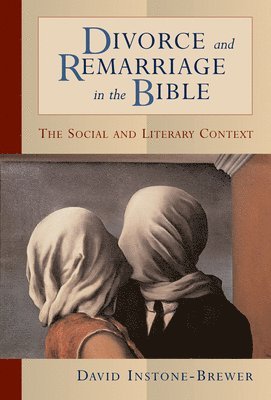
Gives clear guidance about biblical grounds for divorce and remarriage which are both practical and fair in today's imperfect world. To many people, the Bible appears to have nothing sensible or relevant to say about divorce and remarriage. Its teaching often seems harsh and in saying that the only ground for divorce is adultery, it appears to condemn the victims of marital abuse to a lifetime sentence with their partner. New research into the background literature of the Bible, the ancient Near East and ancient Judaism shows that the original hearers of these teachings would have understood them very differently. It has revealed that: * Jesus and Paul rejected no-fault divorces and emphasised that divorce should be avoided if at all possible. * 1st century Jewish men and women could get divorced for neglect or abuse as well as for adultery. Jesus did not reject these grounds and Paul specifically affirmed them. * In the 1st century, remarriage was the right of every divorcee and neither Jesus nor Paul taught otherwise. 288 pages, from Paternoster.
Inbunden, Engelska, 1992
2 260 kr
Skickas inom 5-8 vardagar
Häftad, Svenska, 2011
206 kr
Tillfälligt slut
När jag intervjuades inför min första pastorstjänst var jag nervös och visste inte vad jag skulle förvänta mig. De tolv diakonerna satt i en rad framför mig och turades om att ställa frågor som jag svarade på så tydligt jag kunde. Allt gick hyfsat smidigt, men så kom den riktigt besvärliga frågan: ”Hur tänker du när det gäller skilsmässa och omgifte? Skulle du viga någon som är frånskild?” Jag visste inte om det var en kuggfråga eller om den helt enkelt var ärligt menad. Som församlingstjänare kanske de själva behövde hitta ett svar på just den frågan eller också var det bara ett test på hur renlärig jag var. Hur som helst trodde jag inte att jag skulle kunna sammanfatta min åsikt i en enda mening och när jag tänkte på det kunde jag inte bestämma mig för vad jag egentligen tyckte. Till slut bestämde jag mig för att ge ett svävande svar: ”Tja, jag gissar att det beror på. Varje fall borde nog bedömas individuellt.” Jag tyckte det lät bra och lyckligtvis verkade de hålla med, eftersom de erbjöd mig jobbet, men jag beslutade mig för att studera ämnet skilsmässa mer på djupet så snart jag kunde. Det var bra att jag bestämde mig, för snart behövde jag ett riktigt svar på det som dittills hade varit en hypotetisk fråga. Min baptistförsamling fanns i en förort tillsammans med tre andra lokala kyrkor; en anglikansk och två katolska. Flera frånskilda personer från de andra församlingarna kom till oss och frågade om vi kunde tänka oss att viga dem. Anglikanerna sade något i stil med: ”Vår präst säger att vi inte får gifta om oss i vår kyrka. Han sade åt oss att viga oss borgerligt och sedan ha en välsignelseakt i kyrkan, men vi vill lova varandra trohet inför Gud och inte inför en borgerlig vigselförrättare.” Katolikerna hade ytterligare ett problem. ”Min präst gav mig rådet att annullera mitt förra äktenskap, men det innebär ju att det äktenskapet inte skulle vara juridiskt giltigt längre.” Jag minns särskilt en man som var väldigt upprörd: ”Jag vill inte att mina barn ska vara utomäktenskapliga.” Även om katolska teologer skulle säga att det inte är så det fungerar, är det precis så många i kyrkan ser på en annullering. Allt det här gjorde mig väldigt mån om att verkligen förstå hur jag skulle ge ett bra svar till dessa uppriktiga kristna. Sedan insåg jag att en del av mina diakoner var frånskilda och nu levde i nya äktenskap. Skulle jag tvinga dem att avsäga sig ledarskapet i församlingen? Om jag gjorde det, insåg jag att jag skulle förlora en del av de som jag tyckte var de mest andliga i hela kyrkan och vilkas familjer och äktenskap var föredömen som Gud verkade välsigna. Jag var omgiven av människor som behövde hitta fram till rätt svar – men vad var det rätta svaret? Jag hade alltid tyckt att de bibelställen som tog upp ämnet var både förvirrande och motsägelsefulla. • Varför sade Jesus nej till skilsmässa ibland och varför tillät han det andra gånger? • Varför godkände Jesus bara skilsmässa vid otrohet, medan Paulus tillät det bara om man blir övergiven av sin partner? • Varför likställde man omgifte med otrohet, även efter en skilsmässa på grund av otrohet? Jag kastade mig över böckerna, i alla fall över en av dem – Bibeln – och jag blev förvånad över vad jag läste. Det var inte innehållet i sig som förvånade mig, eftersom jag hade läst alla de viktiga bibelsammanhangen i ämnet tidigare, men det som förvånade mig var att det plötsligt blev begripligt för mig.