David J Krieger – författare
285 kr
Skickas inom 5-8 vardagar
1 281 kr
Skickas inom 5-8 vardagar
458 kr
Skickas inom 5-8 vardagar
538 kr
Läs direkt efter köp
1 013 kr
Skickas inom 5-8 vardagar
538 kr
Läs direkt efter köp
385 kr
Skickas inom 3-6 vardagar
346 kr
Läs direkt efter köp
After postmodern critique has deconstructed, decentered, and displaced order and identity on all levels, we are faced with the Humpty Dumpty question of how to put the pieces back together again. This book brings together the seldom associated discourses of hermeneutics, actor-network theory, and new media in order to formulate a theory of a global network society. Hermeneutics re-opens the question of unity in a fragmented world. Actor-network theory reinterprets the construction of meaning as networking. New media studies show how networking is done. Networks arise, are maintained, and are transformed by communicative actions that are governed by network norms that make up a social operating system. The social operating system offers an alternative to the imperatives of algorithmic logic, functionality, and systemic closure that dominate present day solutions to problems of over-complexity in all areas. The world of meaning constructed by the social operating system is a mixed reality in which filters and layers replace the physical restraints of space and time as parameters of knowing and acting. Society and nature, humans and non-humans come together in a socio-sphere consisting of hybrid, heterogeneous actor-networks. This book proposes reinterpreting hermeneutics as networking and networking as guided by a social operating system whose norms are based on new media. There emerges a theory for a global network society described by different concepts than those typical of Western modernity.
471 kr
Läs direkt efter köp
What are organizations? Where do they come from? How are they transformed and adapted to new situations? In the digital age and in the global network society, traditional theories of the organization can no longer answer these questions. Based on actor-network theory, this book explains organizations as flexible, open networks in which both human and non-human actors enter into socio-technical assemblies by constantly negotiating and re-negotiating programs of action. Organizations are not macro social structures or autonomous systems operating behind the backs of individuals. Instead, they are scalable actor-networks guided by network norms of connectivity, flow, communication, participation, authenticity, and flexibility.
321 kr
Skickas inom 3-6 vardagar
455 kr
Tillfälligt slut
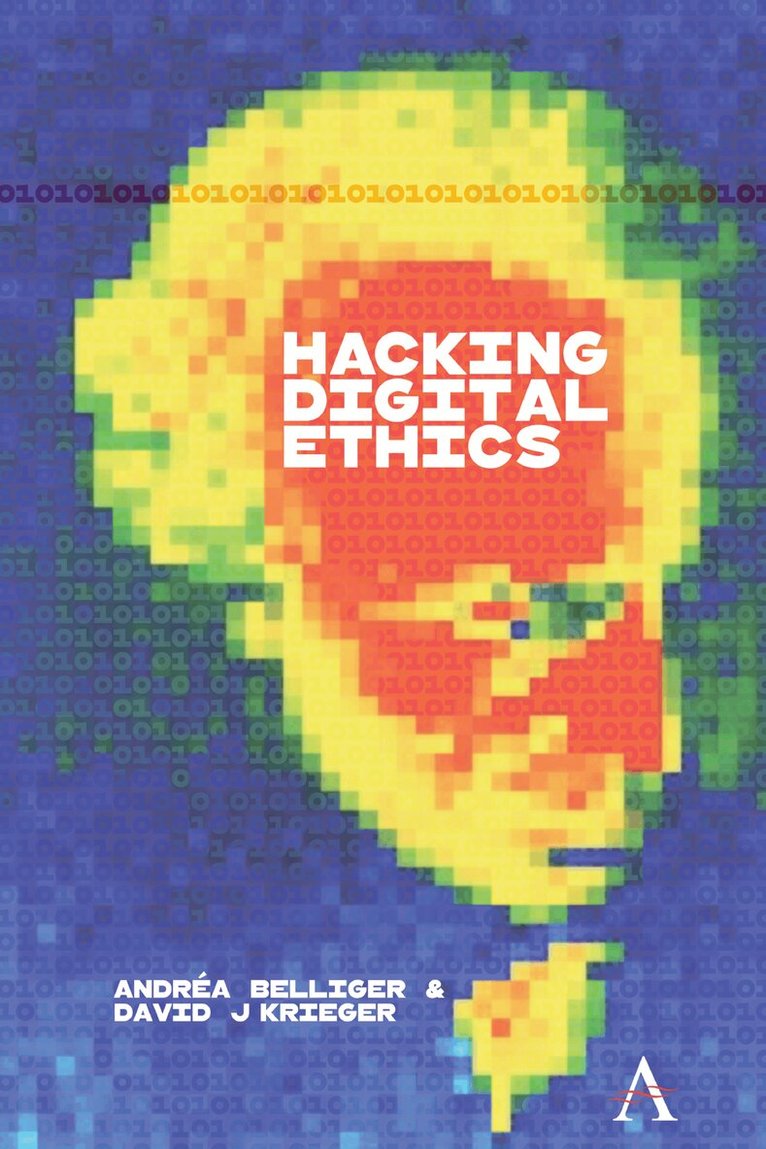
This book is not a critique of digital ethics but rather a hack. It follows the method of hacking by developing an exploit kit on the basis of state-of-the-art social theory, which it uses to breach the insecure legacy system upon which the discourse of digital ethics is running. This legacy system is made up of four interdependent components: the philosophical mythology of humanism, social science critique, media scandalization, and the activities of many civil society organisations lobbying for various forms of regulation. The hack exposes the bugs, the sloppy programming, and the false promises of current digital ethics, and, because it is an ethical hack, redesigns digital ethics so that it can address the problems of the global network society. The main idea of the book is that the social world of meaning is based on information, which, because of its relational nature, must be understood more as a common good than as private property. A digital ethics that relies upon humanistic individualism cannot address the issues arising from the global network society based upon information. This demands a complete revision of the philosophical foundations of current digital ethics by means of a redesign of ethics as a theory of governance by design.