David Janssens - Böcker
Visar alla böcker från författaren . Handla med fri frakt och snabb leverans.
2 produkter
2 produkter
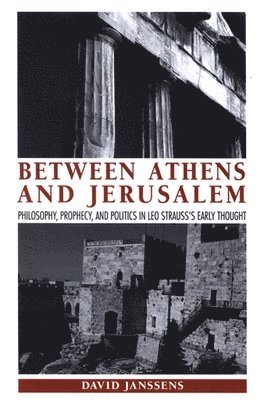
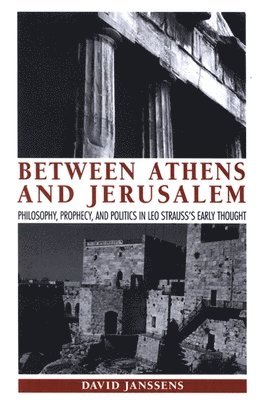
Between Athens and Jerusalem
Philosophy, Prophecy, and Politics in Leo Strauss's Early Thought
Inbunden, Engelska, 2008
1 057 kr
Tillfälligt slut
Examines the early works of German-Jewish philosopher Leo Strauss (1899-1973).Praised as a major political thinker of the twentieth century and vilified as the putative godfather of contemporary neoconservatism, Leo Strauss (1899–1973) has been the object of heated controversy both in the United States and abroad. This book offers a more balanced appraisal by focusing on Strauss's early writings. By means of a close and comprehensive study of these texts, David Janssens reconstructs the genesis of Strauss's thought from its earliest beginnings until his emigration to the United States in 1937. He discusses the first stages in Strauss's grappling with the "theological-political problem," from his doctoral dissertation on Friedrich Heinrich Jacobi to his contributions to Zionist periodicals, from his groundbreaking study of Spinoza's critique of religion to his research on Moses Mendelssohn, and from his rediscovery of medieval Jewish and Islamic philosophy to his research on Hobbes. Throughout, Janssens traces Strauss's rediscovery of the Socratic way of life as a viable alternative to both modern philosophy and revealed religion.
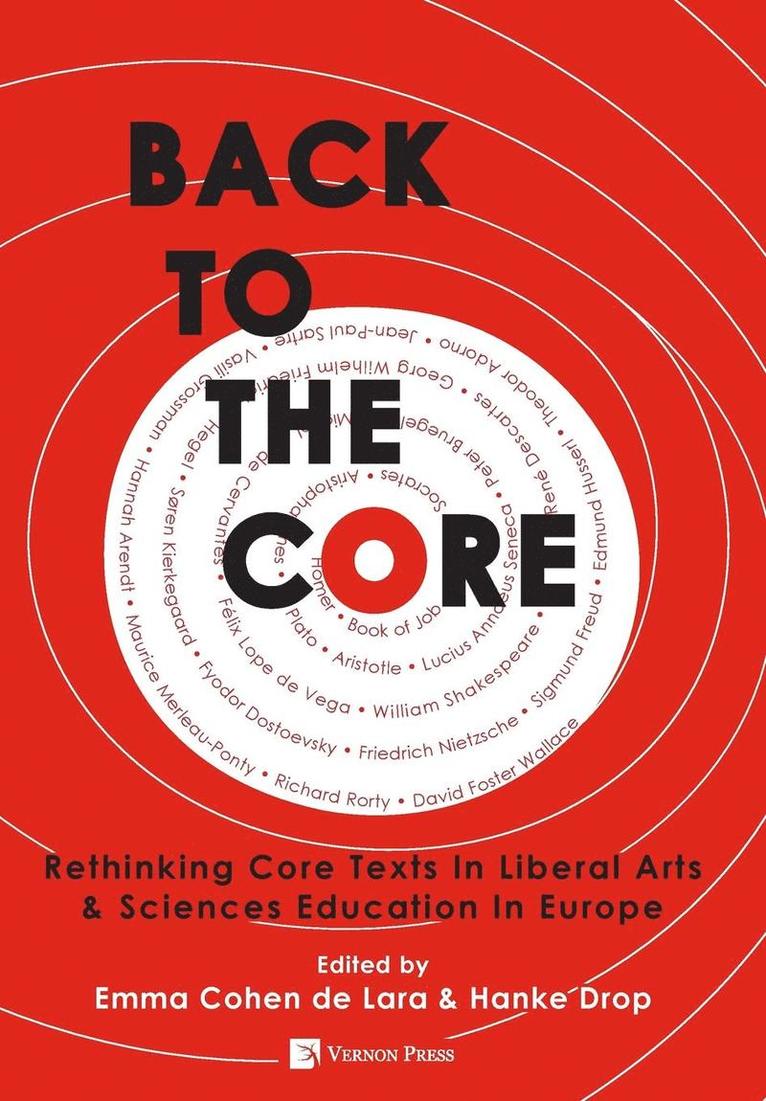
Between Athens and Jerusalem
Philosophy, Prophecy, and Politics in Leo Strauss's Early Thought
Häftad, Engelska, 2009
441 kr
Skickas inom 5-8 vardagar
Examines the early works of German-Jewish philosopher Leo Strauss (1899-1973).Praised as a major political thinker of the twentieth century and vilified as the putative godfather of contemporary neoconservatism, Leo Strauss (1899–1973) has been the object of heated controversy both in the United States and abroad. This book offers a more balanced appraisal by focusing on Strauss's early writings. By means of a close and comprehensive study of these texts, David Janssens reconstructs the genesis of Strauss's thought from its earliest beginnings until his emigration to the United States in 1937. He discusses the first stages in Strauss's grappling with the "theological-political problem," from his doctoral dissertation on Friedrich Heinrich Jacobi to his contributions to Zionist periodicals, from his groundbreaking study of Spinoza's critique of religion to his research on Moses Mendelssohn, and from his rediscovery of medieval Jewish and Islamic philosophy to his research on Hobbes. Throughout, Janssens traces Strauss's rediscovery of the Socratic way of life as a viable alternative to both modern philosophy and revealed religion.