David Jefferess – författare
Visar alla böcker från författaren David Jefferess. Handla med fri frakt och snabb leverans.
8 produkter
8 produkter
Inbunden, Engelska, 2008
678 kr
Skickas inom 5-8 vardagar
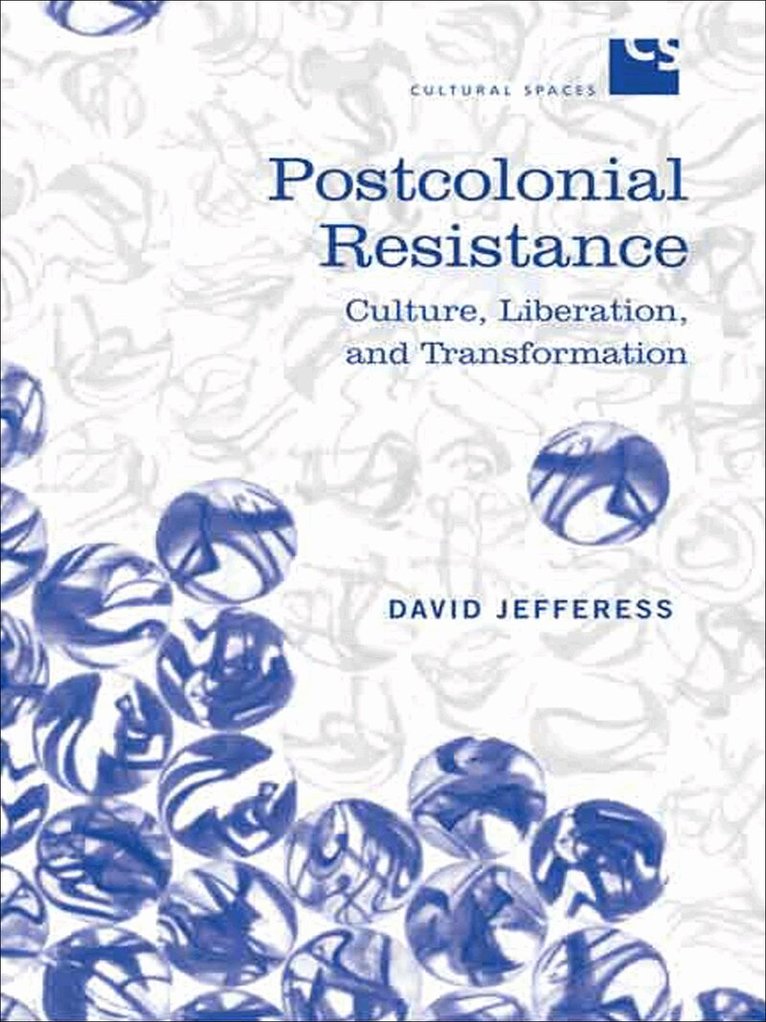
Despite being central to the project of postcolonialism, the concept of resistance has received only limited theoretical examination. Writers such as Frantz Fanon, Edward Said, and Homi K. Bhabha have explored instances of revolt, opposition, or subversion, but there has been insufficient critical analysis of the concept of resistance, particularly as it relates to liberation or social and cultural transformation. In Postcolonial Resistance, David Jefferess looks to redress this critical imbalance.Jefferess argues that interpreting resistance, as these critics have done, as either acts of opposition or practices of subversion is insufficient. He discerns in the existing critical literature an alternate paradigm for postcolonial politics, and through close analyses of the work of Mohandas Gandhi and the South African reconciliation project, Postcolonial Resistance seeks to redefine resistance to reconnect an analysis of colonial discourse to material structures of colonial exploitation and inequality. Engaging works of postcolonial fiction, literary criticism, historiography, and cultural theory, Jefferess conceives of resistance and reconciliation as dependent upon the transformation of both the colonial subject and the antagonistic nature of colonial power. In doing so, he reframes postcolonial conceptions of resistance, violence, and liberation, thus inviting future scholarship in the field to reconsider past conceptualizations of political power and opposition to that power.
Häftad, Engelska, 2011
346 kr
Skickas inom 5-8 vardagar
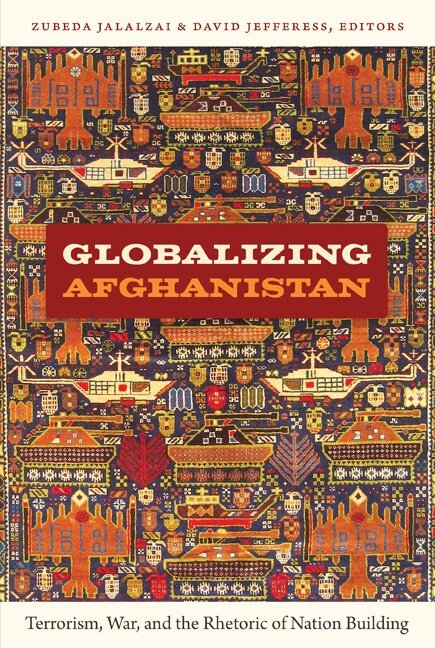
Globalizing Afghanistan offers a kaleidoscopic view of Afghanistan and the global networks of power, influence, and representation in which it is immersed. The military and nation-building interventions initiated by the United States in reaction to the events of September 11, 2001, are the background and motivation for this collection, but they are not the immediate subject of the essays. Seeking to understand the events of the past decade in a broad frame, the contributors draw on cultural and postcolonial approaches to provide new insights into this ongoing conflict. They focus on matters such as the implications of Afghanistan’s lucrative opium trade, the links between the contemporary Taliban movement and major events in the Islamic world and Central Asia since the early twentieth century, and interactions between transnational feminist organizations and the Afghan women’s movement. Several contributors address questions of representation. One looks at portrayals of Afghan women by the U.S. government and Western media and feminists. Another explores the surprisingly prominent role of Iranian filmmaking in the production of a global cinematic discourse about Afghanistan. A Pakistani journalist describes how coverage of Afghanistan by reporters working from Pakistan’s Khyber-Pakhtoonkhwa (formerly the North West Frontier Province) has changed over the past decade. This rich panoply of perspectives on Afghanistan concludes with a reflection on how academics might produce meaningful alternative viewpoints on the exercise of American power abroad.Contributors. Gwen Bergner, Maliha Chishti, Cheshmak Farhoumand-Sims, Nigel C. Gibson, Zubeda Jalalzai, David Jefferess, Altaf Ullah Khan, Kamran Rastegar, Rodney J. Steward, Imre Szeman
E-bok
PDF, Engelska, 2011521 kr
Läs direkt efter köp
Globalizing Afghanistan offers a kaleidoscopic view of Afghanistan and the global networks of power, influence, and representation in which it is immersed. The military and nation-building interventions initiated by the United States in reaction to the events of September 11, 2001, are the background and motivation for this collection, but they are not the immediate subject of the essays. Seeking to understand the events of the past decade in a broad frame, the contributors draw on cultural and postcolonial approaches to provide new insights into this ongoing conflict. They focus on matters such as the implications of Afghanistan’s lucrative opium trade, the links between the contemporary Taliban movement and major events in the Islamic world and Central Asia since the early twentieth century, and interactions between transnational feminist organizations and the Afghan women’s movement. Several contributors address questions of representation. One looks at portrayals of Afghan women by the U.S. government and Western media and feminists. Another explores the surprisingly prominent role of Iranian filmmaking in the production of a global cinematic discourse about Afghanistan. A Pakistani journalist describes how coverage of Afghanistan by reporters working from Pakistan’s Khyber-Pakhtoonkhwa (formerly the North West Frontier Province) has changed over the past decade. This rich panoply of perspectives on Afghanistan concludes with a reflection on how academics might produce meaningful alternative viewpoints on the exercise of American power abroad.
Contributors. Gwen Bergner, Maliha Chishti, Cheshmak Farhoumand-Sims, Nigel C. Gibson, Zubeda Jalalzai, David Jefferess, Altaf Ullah Khan, Kamran Rastegar, Rodney J. Steward, Imre Szeman
E-bok
PDF, Engelska, 2026797 kr
Läs direkt efter köp
The Humanitarian Fable examines how popular humanitarian communication constructs global poverty as a moral narrative that reinforces unequal power dynamics between the Global North and Global South.Taking a cultural studies approach, the book argues that humanitarian discourse places too much emphasis on the involvement of Global North initiatives, while avoiding meaningful engagement with the structural causes of inequality. By critiquing humanitarianism as the dominant framework for understanding global poverty, the author challenges readers to consider alternative approaches grounded in justice, decolonization, and addressing ongoing exploitation.This interdisciplinary text will interest academic researchers, instructors, and students across disciplines, including Cultural Studies, International Development Studies, Education, Human Rights, and Communication Studies.
E-bok
Engelska, 2026797 kr
Läs direkt efter köp
The Humanitarian Fable examines how popular humanitarian communication constructs global poverty as a moral narrative that reinforces unequal power dynamics between the Global North and Global South.Taking a cultural studies approach, the book argues that humanitarian discourse places too much emphasis on the involvement of Global North initiatives, while avoiding meaningful engagement with the structural causes of inequality. By critiquing humanitarianism as the dominant framework for understanding global poverty, the author challenges readers to consider alternative approaches grounded in justice, decolonization, and addressing ongoing exploitation.This interdisciplinary text will interest academic researchers, instructors, and students across disciplines, including Cultural Studies, International Development Studies, Education, Human Rights, and Communication Studies.
Inbunden, Engelska, 2026
2 435 kr
Skickas inom 10-15 vardagar
The Humanitarian Fable examines how popular humanitarian communication constructs global poverty as a moral narrative that reinforces unequal power dynamics between the Global North and Global South.Taking a cultural studies approach, the book argues that humanitarian discourse places too much emphasis on the involvement of Global North initiatives, while avoiding meaningful engagement with the structural causes of inequality. By critiquing humanitarianism as the dominant framework for understanding global poverty, the author challenges readers to consider alternative approaches grounded in justice, decolonization, and addressing ongoing exploitation.This interdisciplinary text will interest academic researchers, instructors, and students across disciplines, including Cultural Studies, International Development Studies, Education, Human Rights, and Communication Studies.
E-bok
PDF, Engelska, 2008776 kr
Läs direkt efter köp
Despite being central to the project of postcolonialism, the concept of resistance has received only limited theoretical examination. Writers such as Frantz Fanon, Edward Said, and Homi K. Bhabha have explored instances of revolt, opposition, or subversion, but there has been insufficient critical analysis of the concept of resistance, particularly as it relates to liberation or social and cultural transformation. In Postcolonial Resistance, David Jefferess looks to redress this critical imbalance.Jefferess argues that interpreting resistance, as these critics have done, as either acts of opposition or practices of subversion is insufficient. He discerns in the existing critical literature an alternate paradigm for postcolonial politics, and through close analyses of the work of Mohandas Gandhi and the South African reconciliation project, Postcolonial Resistance seeks to redefine resistance to reconnect an analysis of colonial discourse to material structures of colonial exploitation and inequality. Engaging works of postcolonial fiction, literary criticism, historiography, and cultural theory, Jefferess conceives of resistance and reconciliation as dependent upon the transformation of both the colonial subject and the antagonistic nature of colonial power. In doing so, he reframes postcolonial conceptions of resistance, violence, and liberation, thus inviting future scholarship in the field to reconsider past conceptualizations of political power and opposition to that power.
E-bok
Engelska, 2008809 kr
Läs direkt efter köp
Despite being central to the project of postcolonialism, the concept of resistance has received only limited theoretical examination. Writers such as Frantz Fanon, Edward Said, and Homi K. Bhabha have explored instances of revolt, opposition, or subversion, but there has been insufficient critical analysis of the concept of resistance, particularly as it relates to liberation or social and cultural transformation. In Postcolonial Resistance, David Jefferess looks to redress this critical imbalance.Jefferess argues that interpreting resistance, as these critics have done, as either acts of opposition or practices of subversion is insufficient. He discerns in the existing critical literature an alternate paradigm for postcolonial politics, and through close analyses of the work of Mohandas Gandhi and the South African reconciliation project, Postcolonial Resistance seeks to redefine resistance to reconnect an analysis of colonial discourse to material structures of colonial exploitation and inequality. Engaging works of postcolonial fiction, literary criticism, historiography, and cultural theory, Jefferess conceives of resistance and reconciliation as dependent upon the transformation of both the colonial subject and the antagonistic nature of colonial power. In doing so, he reframes postcolonial conceptions of resistance, violence, and liberation, thus inviting future scholarship in the field to reconsider past conceptualizations of political power and opposition to that power.