David Jenemann – författare
Visar alla böcker från författaren David Jenemann. Handla med fri frakt och snabb leverans.
3 produkter
3 produkter
248 kr
Skickas inom 5-8 vardagar
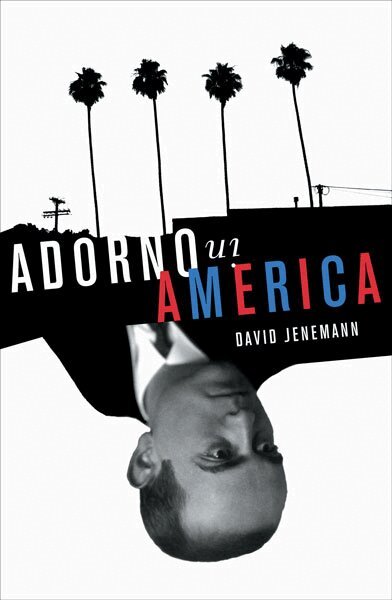
“For those inclined to dismiss Adorno’s take on America as the uncomprehending condescension of a mandarin elitist, David Jenemann’s splendid new book will come as a rude awakening. Exploiting a wealth of new sources, he persuasively shows the depth of Adorno’s engagement with the culture industry and the complexity of his reaction to it.” -Martin Jay, Sidney Hellman Ehrman Professor of History, University of California, Berkeley The German philosopher and cultural critic Theodor W. Adorno was one of the towering intellectual figures of the twentieth century, and between 1938 and 1953 he lived in exile in the United States. In the first in-depth account of this period of Adorno’s life, David Jenemann examines Adorno’s confrontation with the burgeoning American “culture industry” and casts new light on Adorno’s writings about the mass media. Contrary to the widely held belief-even among his defenders-that Adorno was disconnected from America and disdained its culture, Jenemann reveals that Adorno was an active and engaged participant in cultural and intellectual life during these years. From the time he first arrived in New York in 1938 to work for the Princeton Radio Research Project, exploring the impact of radio on American society and the maturing marketing strategies of the national radio networks, Adorno was dedicated to understanding the technological and social influence of popular art in the United States. Adorno carried these interests with him to Hollywood, where he and Max Horkheimer attempted to make a film for their Studies in Prejudice Project and where he befriended Thomas Mann and helped him craft his famous novel Doctor Faustus. Shuttling between insightful readings of Adorno’s theories and a rich body of archival materials-including unpublished writings and FBI files-Jenemann paints a portrait of Adorno’s years in New York and Los Angeles and tells the cultural history of an America coming to grips with its rapidly evolving mass culture. Adorno in America eloquently and persuasively argues for a more complicated, more intimate relationship between Adorno and American society than has ever been previously acknowledged. What emerges is not only an image of an intellectual in exile, but ultimately a rediscovery of Adorno as a potent defender of a vital and intelligent democracy. David Jenemann is assistant professor of English at the University of Vermont.
2 138 kr
Skickas inom 10-15 vardagar
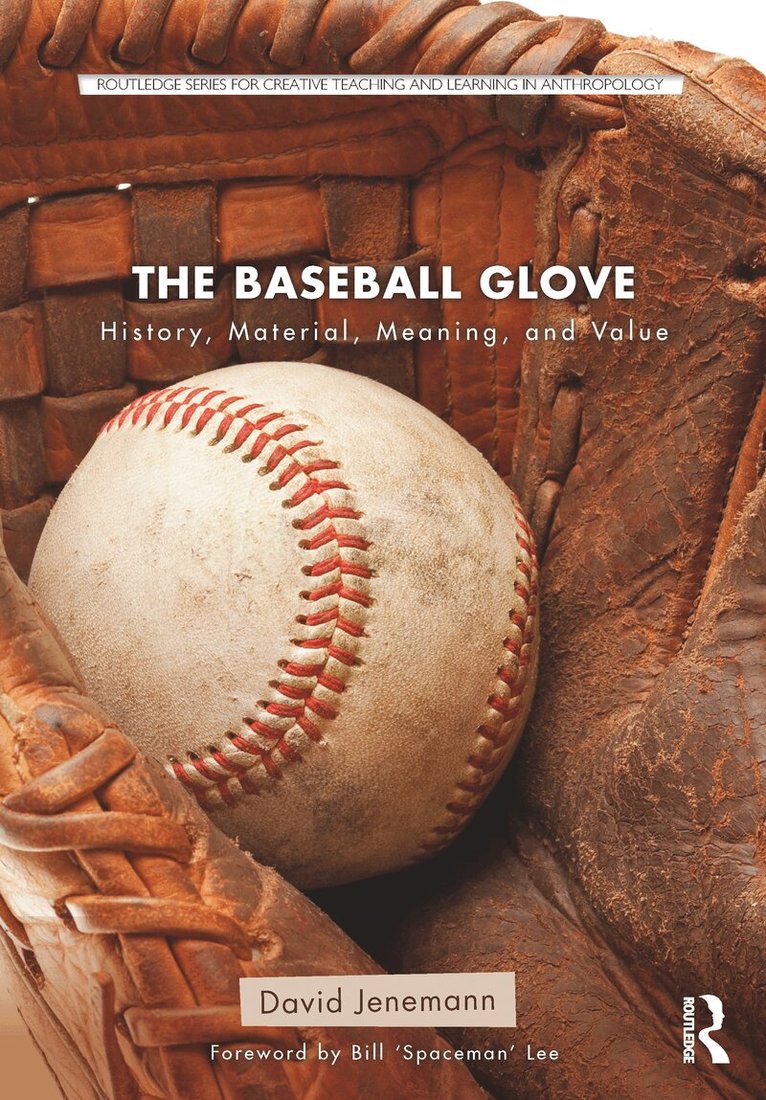
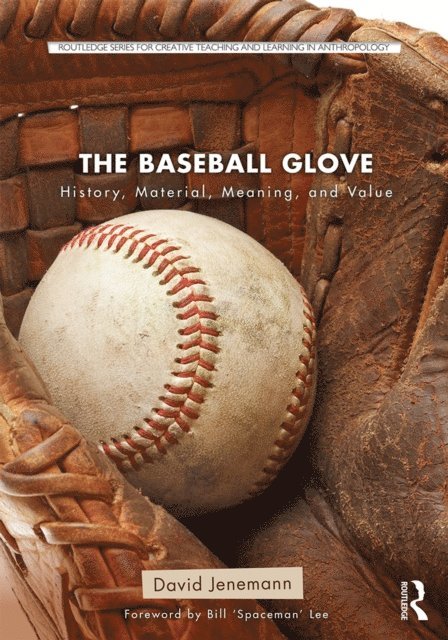
The baseball glove is a ubiquitous item, a crucial piece of equipment in the game of baseball, and it offers the opportunity to examine the production of material culture and social practice at numerous levels. Where and how is a glove made, and how does its manufacture square with the narratives surrounding its place in American cultural life? What are the myths, superstitions, and beliefs surrounding its acquisition, care, use, and significance? How does a glove function as the center of a web of cultural practices that illustrate how individuals relate to a consumer good as a symbol of memory, personal narrative, and national identity? How do the manufacturers of baseball gloves draw upon, promote, and in some sense create these practices? How do these practices and meanings change in other national and cultural contexts? The Baseball Glove offers students the opportunity to examine these questions in an engagingly written and illustrated book that promotes hands-on interaction with a quintessential item of material culture. At the same time, the book gives students the space for critical self-reflection about the place of material goods like sporting equipment in their lives, and it provides the chance to learn different methodological approaches to studying everyday objects.
584 kr
Skickas inom 10-15 vardagar
The baseball glove is a ubiquitous item, a crucial piece of equipment in the game of baseball, and it offers the opportunity to examine the production of material culture and social practice at numerous levels. Where and how is a glove made, and how does its manufacture square with the narratives surrounding its place in American cultural life? What are the myths, superstitions, and beliefs surrounding its acquisition, care, use, and significance? How does a glove function as the center of a web of cultural practices that illustrate how individuals relate to a consumer good as a symbol of memory, personal narrative, and national identity? How do the manufacturers of baseball gloves draw upon, promote, and in some sense create these practices? How do these practices and meanings change in other national and cultural contexts? The Baseball Glove offers students the opportunity to examine these questions in an engagingly written and illustrated book that promotes hands-on interaction with a quintessential item of material culture. At the same time, the book gives students the space for critical self-reflection about the place of material goods like sporting equipment in their lives, and it provides the chance to learn different methodological approaches to studying everyday objects.