David Kenyon – författare
Visar alla böcker från författaren David Kenyon. Handla med fri frakt och snabb leverans.
8 produkter
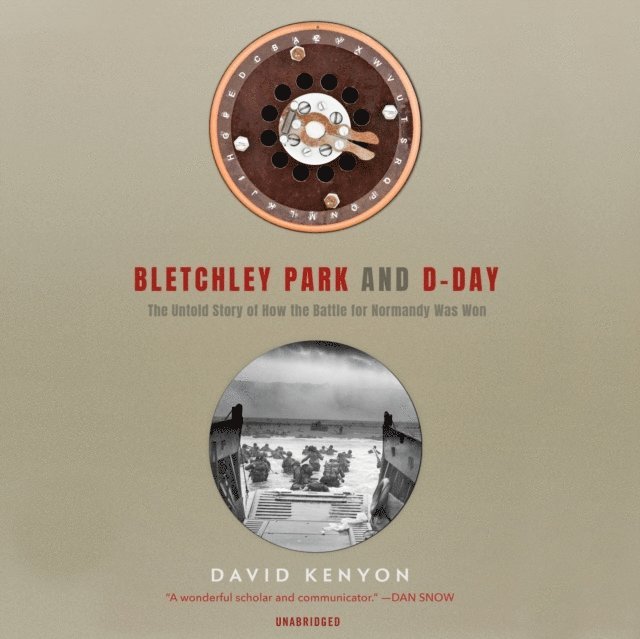
Bletchley Park and D-Day
The Untold Story of How the Battle of Normandy Was Won
Av David Kenyon
E-bok, 2019
153 kr
Lägg i varukorg
"Demonstrates that the intelligence division . . . had a more significant role in WWII . . . making indispensable contributions to the invasion at Normandy." (Publishers Weekly)The untold story of Bletchley Park''s key role in the success of the Normandy campaignSince the secret of Bletchley Park …
Bletchley Park and D-Day
Av David Kenyon
Häftad, 2022
141 kr
Lägg i varukorg
The untold story of Bletchley Park's key role in the success of the Normandy campaignSince the secret of Bletchley Park was revealed in the 1970s, the work of its codebreakers has become one of the most famous stories of the Second World War. But cracking the Nazis’ codes was only the start of the …
Arctic Convoys
Bletchley Park and the War for the Seas
Av David Kenyon
Häftad, 2024
154 kr
Lägg i varukorg
“Kenyon uses new findings from Bletchley to retell the story of the naval battles that took place in the Arctic Ocean between 1941 and 1945.”—Daniel Brooks, The Telegraph“Fascinating and meticulously researched book.”—Peter Sparkes, Naval ReviewAn incisive account of the Arctic convoys, and the …
Digging the Trenches
The Archaeology of the Western Front
Av David Kenyon, Andrew Robertshaw
E-bok, 2021
127 kr
Lägg i varukorg
Modern research methods - archaeological, historical, forensic - have transformed our view of the past. This is especially true of the history of the Great War. In this, the first comprehensive survey of this exciting new field, Andrew Robertshaw and David Kenyon introduce the reader to the …
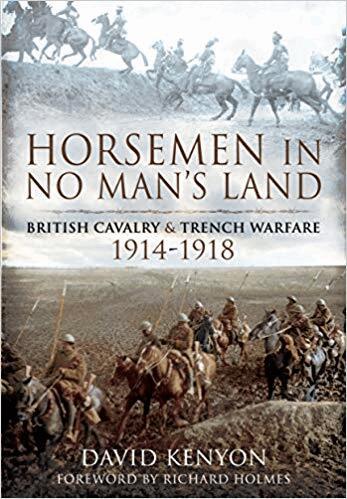
Horsemen in No Man's Land
British Cavalry & Trench Warfare, 1914–1918
Av David Kenyon
E-bok, 2011
88 kr
Lägg i varukorg
An in-depth look at the contributions of the British cavalry during World War I.Of what use was the British cavalry during the years of trench warfare on the Western Front? On a static battlefield dominated by the weapons of the industrial age, by the machine gun and massed artillery, the cavalry …
Bletchley Park and D-Day
The Untold Story of How the Battle for Normandy Was Won
Av David Kenyon
Ljudbok, 2019
284 kr
Lägg i varukorg
The untold story of Bletchley Park’s key role in the success of the Normandy campaign Since the secret of Bletchley Park was revealed in the 1970s, the work of its codebreakers has become one of the most famous stories of the Second World War. But cracking the Nazis’ codes was only the start of the …
Horsemen in No Man's Land
British Cavalry and Trench Warfare, 1914-1918
Av David Kenyon
Häftad, 2019
171 kr
Tillfälligt slut
Of what use were the British cavalry during the years of trench warfare on the Western Front? On a static battlefield dominated by the weapons of the industrial age, by the machine gun and massed artillery, the cavalry were seen as an anachronism. They were vulnerable to modern armaments, of little …
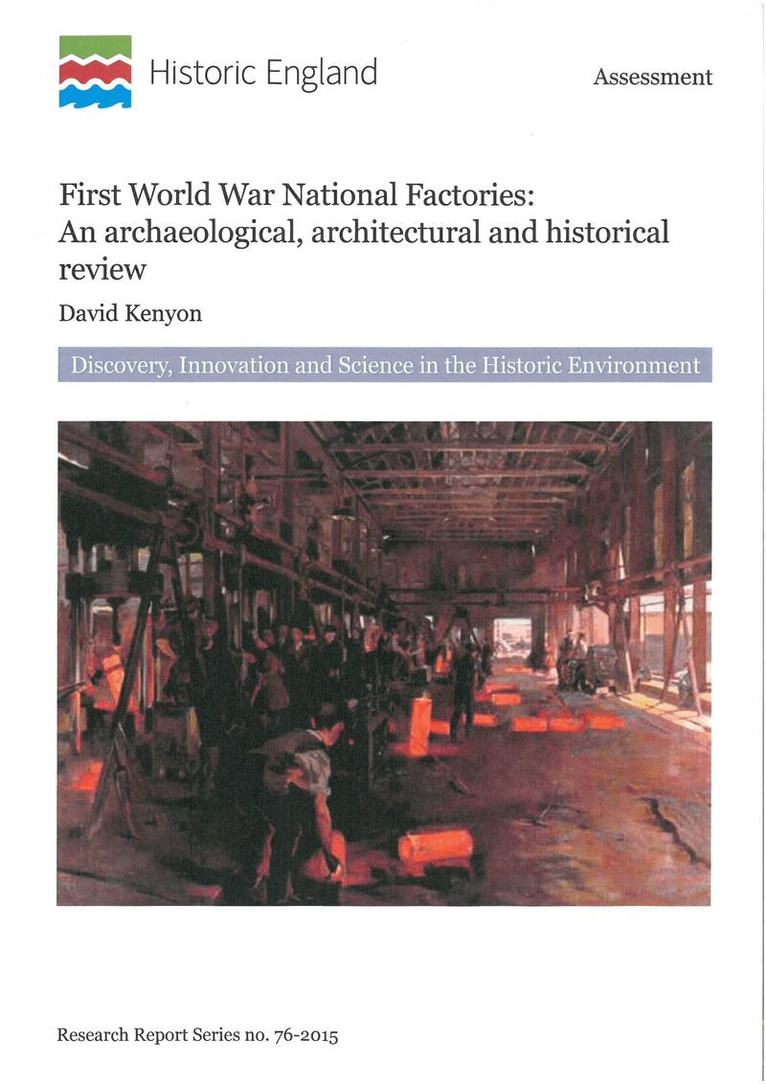
First World War National Factories
An Archaeological, Architectural and Historical Review
Av David Kenyon
Häftad, 2015
1283 kr
Tillfälligt slut
The First World War National Factories were under the direct control of the Ministry of Munitions producing vital war material, everything from wooden boxes, respirators, shells, and explosives to optical glass and vehicle radiators. Many were adapted from existing works, while others were located …