David L. Blaney – författare
Visar alla böcker från författaren David L. Blaney. Handla med fri frakt och snabb leverans.
20 produkter
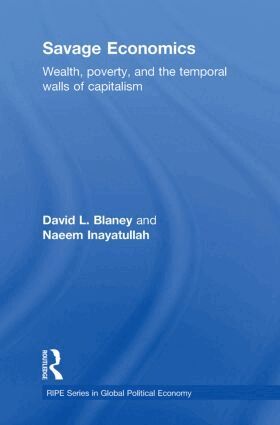
Savage Economics
Wealth, Poverty and the Temporal Walls of Capitalism
Av David L. Blaney, Naeem Inayatullah
Inbunden, 2010
2510 kr
Lägg i varukorg
This innovative book challenges the most powerful and pervasive ideas concerning political economy, international relations, and ethics in the modern world. Rereading classical authors including Adam Smith, James Steuart, Adam Ferguson, Hegel, and Marx, it provides a systematic and fundamental …
Savage Economics
Wealth, Poverty and the Temporal Walls of Capitalism
Av David L. Blaney, Naeem Inayatullah
Häftad, 2009
720 kr
Lägg i varukorg
This innovative book challenges the most powerful and pervasive ideas concerning political economy, international relations, and ethics in the modern world. Rereading classical authors including Adam Smith, James Steuart, Adam Ferguson, Hegel, and Marx, it provides a systematic and fundamental …
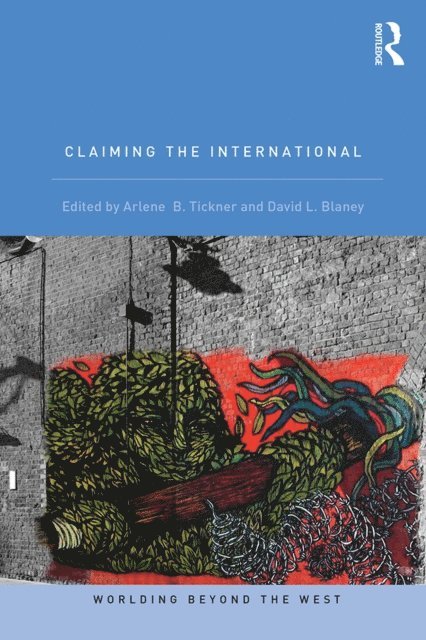
Claiming the International
Av Arlene B. Tickner, David L. Blaney
Inbunden, 2013
2510 kr
Lägg i varukorg
This book explores the possibilities of alternative worldings beyond those authorized by the disciplinary norms and customs of International Relations. In response to the boundary-drawing practices of IR that privilege the historical experience and scholarly folkways of the "West," the contributors …
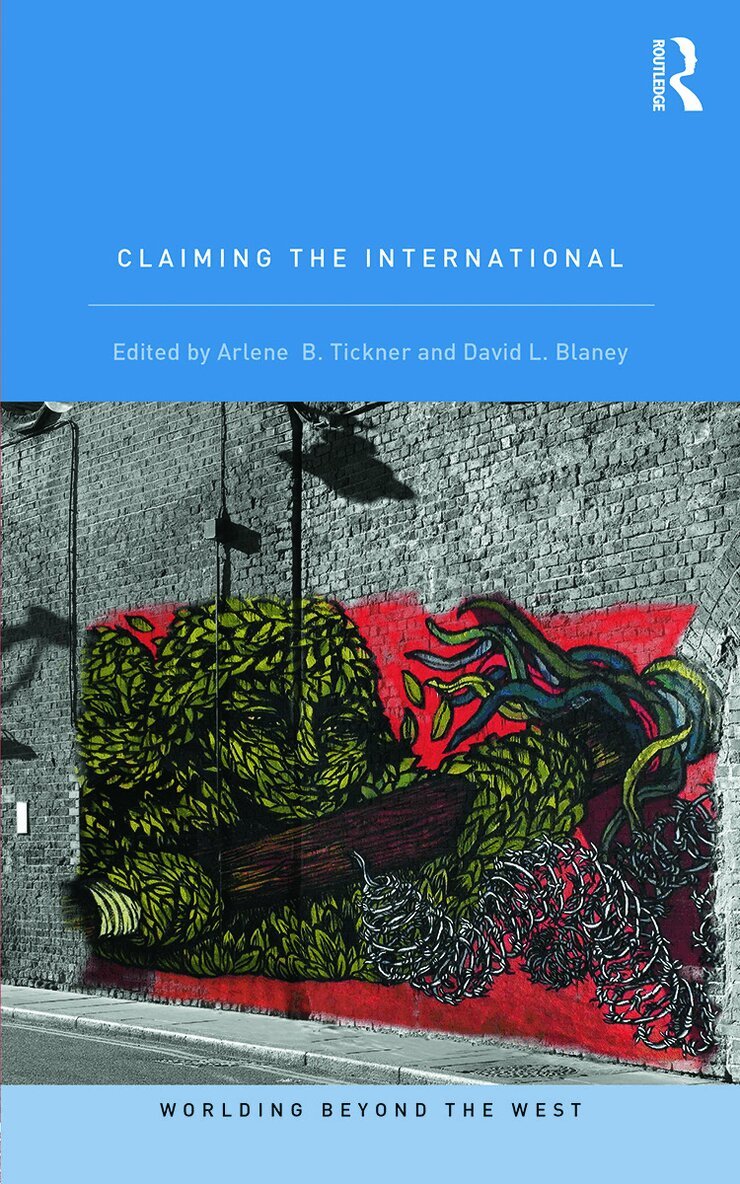
Claiming the International
Av Arlene B. Tickner, David L. Blaney
Häftad, 2013
691 kr
Lägg i varukorg
This book explores the possibilities of alternative worldings beyond those authorized by the disciplinary norms and customs of International Relations. In response to the boundary-drawing practices of IR that privilege the historical experience and scholarly folkways of the "West," the contributors …
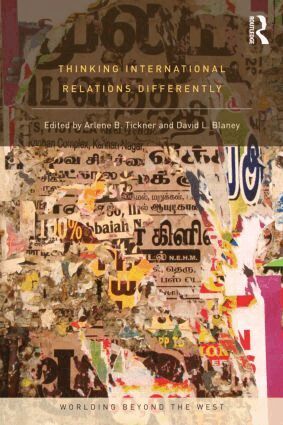
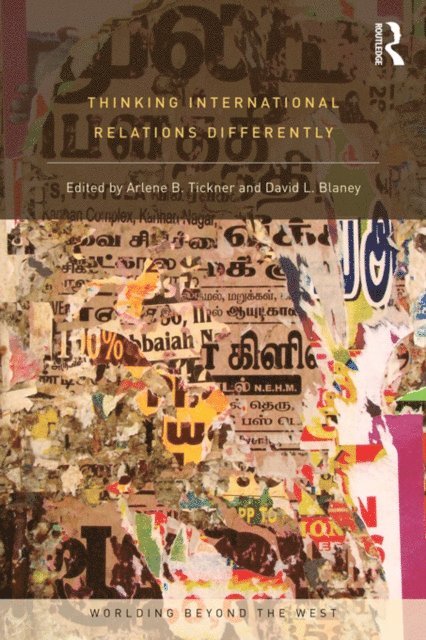
Thinking International Relations Differently
Av Arlene Tickner, David L. Blaney
Inbunden, 2012
2510 kr
Lägg i varukorg
A host of voices has risen to challenge Western core dominance of the field of International Relations (IR), and yet, intellectual production about world politics continues to be highly skewed. This book is the second volume in a trilogy of titles that tries to put the "international" back into IR …
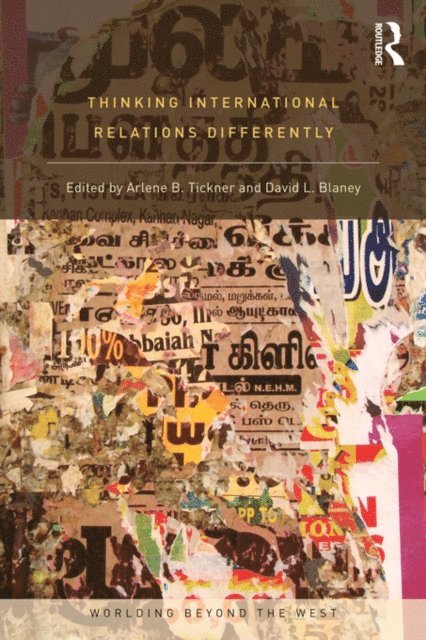
Thinking International Relations Differently
Av Arlene Tickner, David L. Blaney
Häftad, 2012
793 kr
Lägg i varukorg
A host of voices has risen to challenge Western core dominance of the field of International Relations (IR), and yet, intellectual production about world politics continues to be highly skewed. This book is the second volume in a trilogy of titles that tries to put the "international" back into IR …
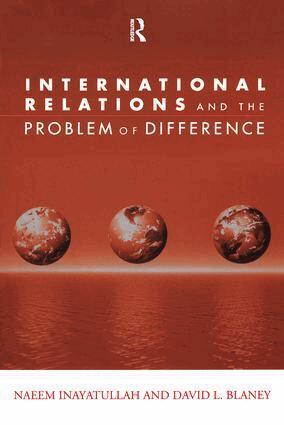
International Relations and the Problem of Difference
Av Naeem Inayatullah, David L. Blaney
Inbunden, 2003
3063 kr
Lägg i varukorg
International Relations and the Problem of Difference has developed out of the sense that IR as a discipline does not assess the quality of cultural interactions that shape, and are shaped by, the changing structures and processes of the international system. In this work, the authors re-imagine IR …
International Relations and the Problem of Difference
Av Naeem Inayatullah, David L. Blaney
Häftad, 2003
749 kr
Lägg i varukorg
International Relations and the Problem of Difference has developed out of the sense that IR as a discipline does not assess the quality of cultural interactions that shape, and are shaped by, the changing structures and processes of the international system. In this work, the authors re-imagine IR …
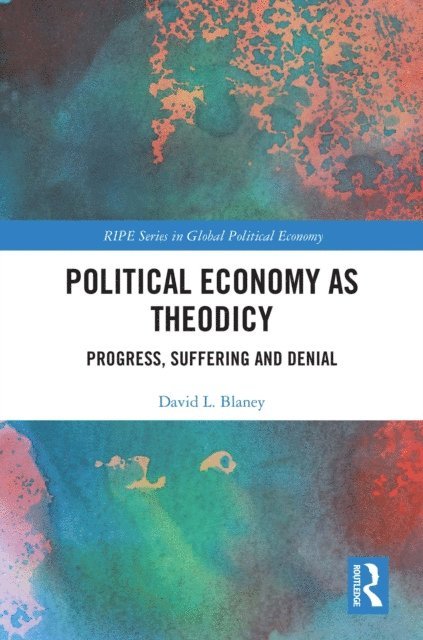
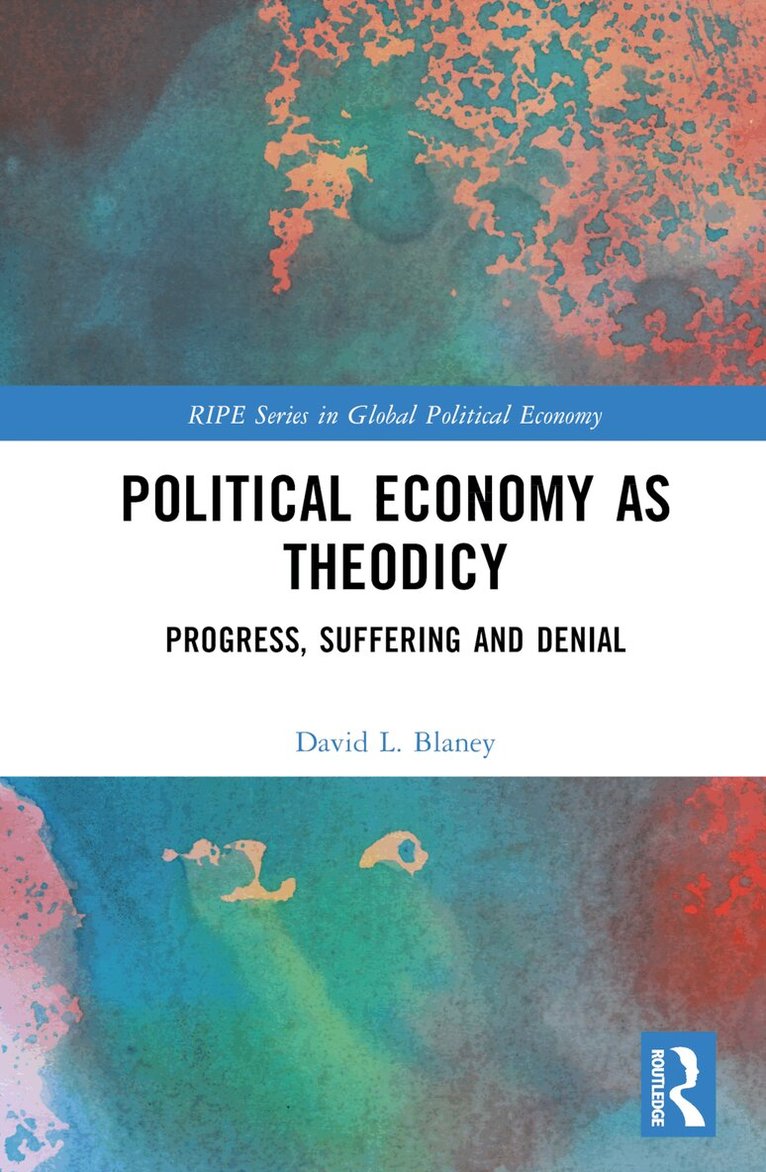
Political Economy as Theodicy
Progress, Suffering and Denial
E-bok, 2024
813 kr
Lägg i varukorg
Political Economy as Theodicy: Progress, Suffering and Denial proposes that political economics operates within a theological symbolic order that dictates modern sociopolitical and economic life as a whole. This book revisits the work of key figures in the history of political economy and economic …
Political Economy as Theodicy
Progress, Suffering and Denial
E-bok, 2024
831 kr
Lägg i varukorg
Political Economy as Theodicy: Progress, Suffering and Denial proposes that political economics operates within a theological symbolic order that dictates modern sociopolitical and economic life as a whole. This book revisits the work of key figures in the history of political economy and economic …
Political Economy as Theodicy
Progress, Suffering and Denial
Inbunden, 2024
2510 kr
Lägg i varukorg
Political Economy as Theodicy: Progress, Suffering and Denial proposes that political economics operates within a theological symbolic order that dictates modern sociopolitical and economic life as a whole.This book revisits the work of key figures in the history of political economy and economic …
Political Economy as Theodicy
Progress, Suffering and Denial
Häftad, 2025
705 kr
Lägg i varukorg
Political Economy as Theodicy: Progress, Suffering and Denial proposes that political economics operates within a theological symbolic order that dictates modern sociopolitical and economic life as a whole.This book revisits the work of key figures in the history of political economy and economic …
Claiming the International
Av David L. Blaney, Arlene B. Tickner
E-bok, 2013
814 kr
Lägg i varukorg
This book explores the possibilities of alternative worldings beyond those authorized by the disciplinary norms and customs of International Relations. In response to the boundary-drawing practices of IR that privilege the historical experience and scholarly folkways of the "West," the contributors …
Claiming the International
Av David L. Blaney, Arlene B. Tickner
E-bok, 2013
814 kr
Lägg i varukorg
This book explores the possibilities of alternative worldings beyond those authorized by the disciplinary norms and customs of International Relations. In response to the boundary-drawing practices of IR that privilege the historical experience and scholarly folkways of the "West," the contributors …
Savage Economics
Wealth, Poverty and the Temporal Walls of Capitalism
Av Naeem Inayatullah, David L. Blaney
E-bok, 2010
849 kr
Lägg i varukorg
This innovative book challenges the most powerful and pervasive ideas concerning political economy, international relations, and ethics in the modern world. Rereading classical authors including Adam Smith, James Steuart, Adam Ferguson, Hegel, and Marx, it provides a systematic and fundamental …
Savage Economics
Wealth, Poverty and the Temporal Walls of Capitalism
Av Naeem Inayatullah, David L. Blaney
E-bok, 2010
830 kr
Lägg i varukorg
This innovative book challenges the most powerful and pervasive ideas concerning political economy, international relations, and ethics in the modern world. Rereading classical authors including Adam Smith, James Steuart, Adam Ferguson, Hegel, and Marx, it provides a systematic and fundamental …
International Relations and the Problem of Difference
Av David L. Blaney, Naeem Inayatullah
E-bok, 2004
864 kr
Lägg i varukorg
International Relations and the Problem of Difference has developed out of the sense that IR as a discipline does not assess the quality of cultural interactions that shape, and are shaped by, the changing structures and processes of the international system. In this work, the authors re-imagine IR …
International Relations and the Problem of Difference
Av David L. Blaney, Naeem Inayatullah
E-bok, 2004
883 kr
Lägg i varukorg
International Relations and the Problem of Difference has developed out of the sense that IR as a discipline does not assess the quality of cultural interactions that shape, and are shaped by, the changing structures and processes of the international system. In this work, the authors re-imagine IR …
Thinking International Relations Differently
Av David L. Blaney, Arlene Tickner
E-bok, 2013
915 kr
Lägg i varukorg
A host of voices has risen to challenge Western core dominance of the field of International Relations (IR), and yet, intellectual production about world politics continues to be highly skewed. This book is the second volume in a trilogy of titles that tries to put the "international" back into IR …
Thinking International Relations Differently
Av David L. Blaney, Arlene Tickner
E-bok, 2013
935 kr
Lägg i varukorg
A host of voices has risen to challenge Western core dominance of the field of International Relations (IR), and yet, intellectual production about world politics continues to be highly skewed. This book is the second volume in a trilogy of titles that tries to put the "international" back into IR …