David M. Steier – författare
Visar alla böcker från författaren David M. Steier. Handla med fri frakt och snabb leverans.
6 produkter
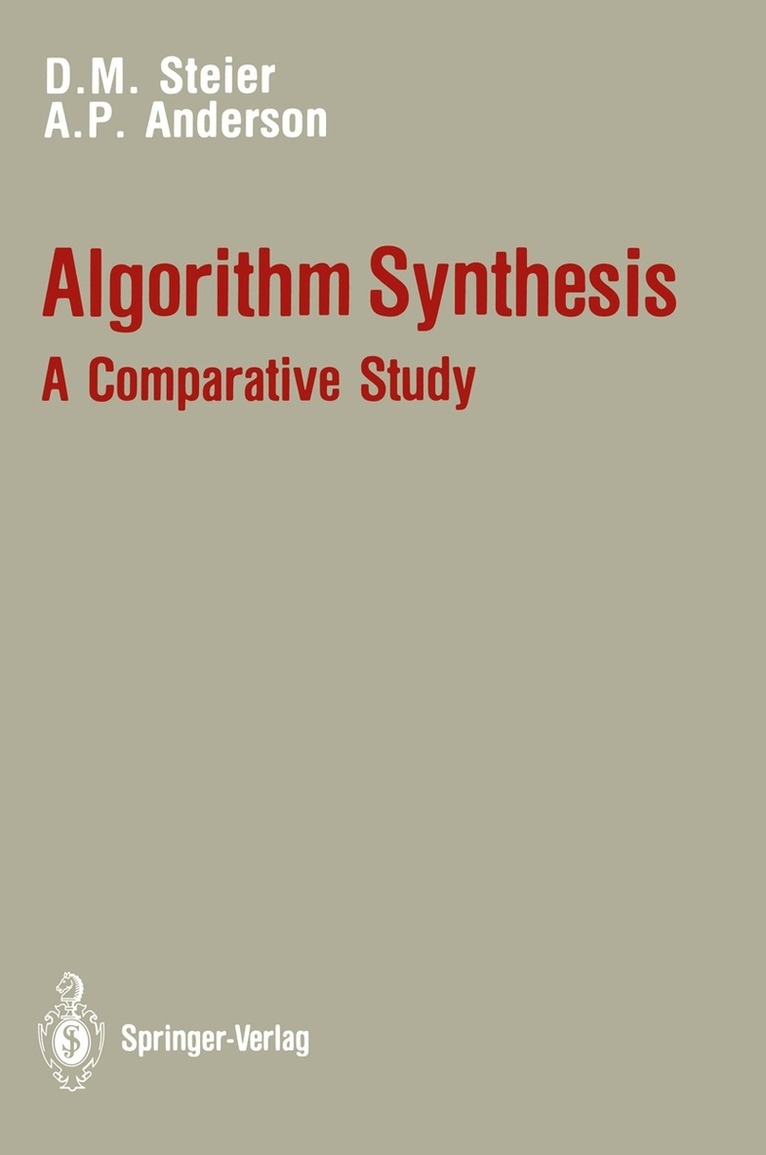
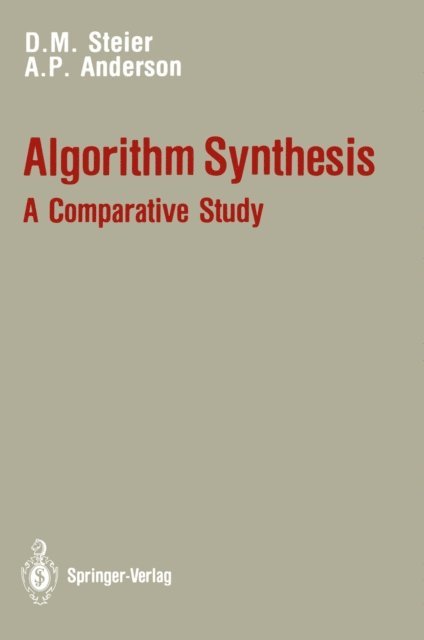
Algorithm Synthesis: A Comparative Study
Av David M. Steier, A. Penny Anderson
Häftad, 1989
1129 kr
Lägg i varukorg
In early 1986, one of us (D.M.S.) was constructing an artificial intelligence system to design algorithms, and the other (A.P.A.) was getting started in program transformations research. We shared an office, and exchanged a few papers on the systematic development of algorithms from specifications. …
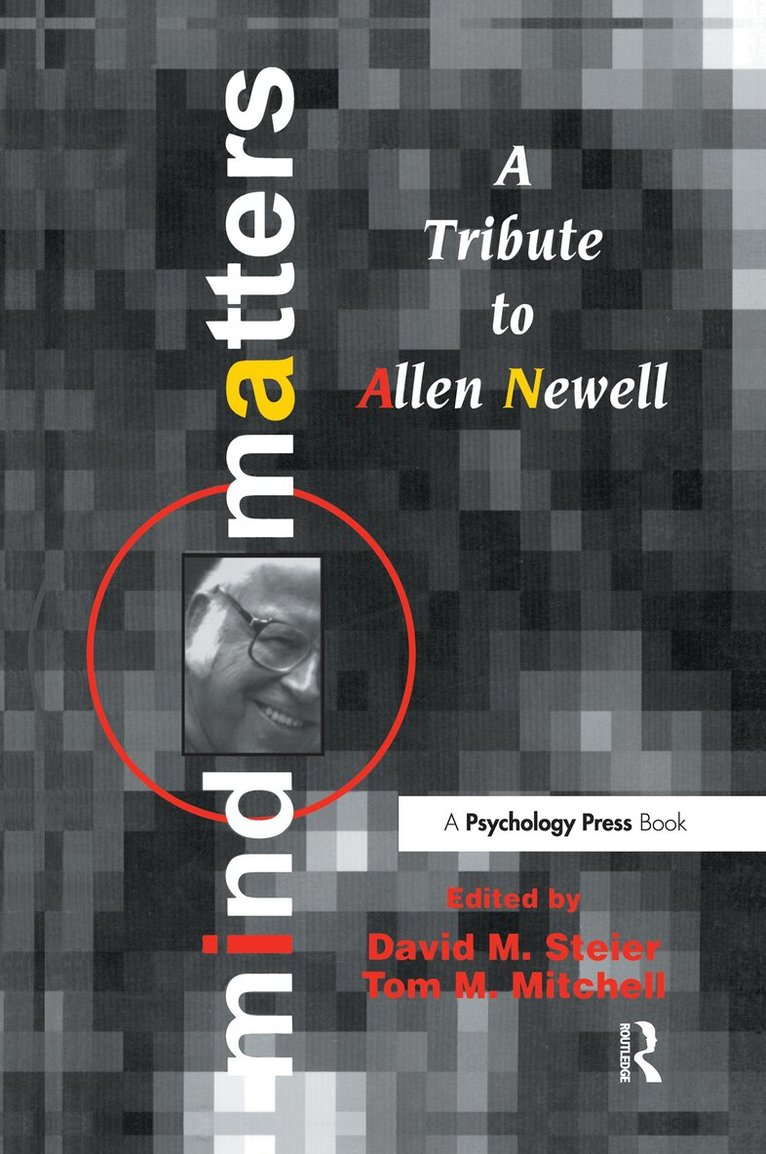
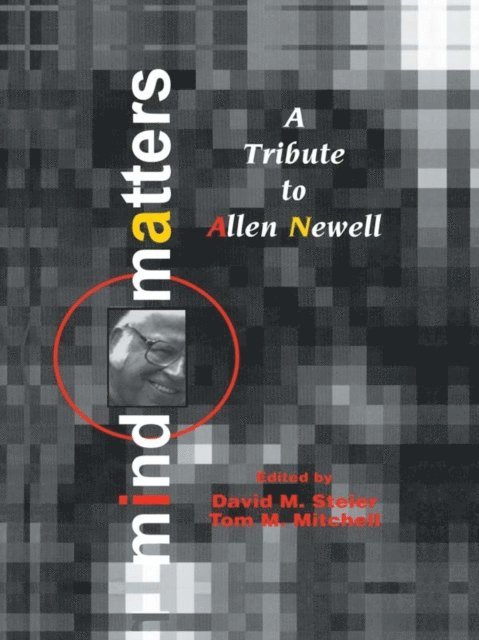
Mind Matters
A Tribute To Allen Newell
Av David M. Steier, Tom M. Mitchell
Inbunden, 1996
2585 kr
Lägg i varukorg
Based on a symposium honoring the extensive work of Allen Newell -- one of the founders of artificial intelligence, cognitive science, human-computer interaction, and the systematic study of computational architectures -- this volume demonstrates how unifying themes may be found in the diversity …
Mind Matters
A Tribute To Allen Newell
Av David M. Steier, Tom M. Mitchell
Häftad, 1996
1251 kr
Lägg i varukorg
Based on a symposium honoring the extensive work of Allen Newell -- one of the founders of artificial intelligence, cognitive science, human-computer interaction, and the systematic study of computational architectures -- this volume demonstrates how unifying themes may be found in the diversity …
Mind Matters
A Tribute To Allen Newell
Av Tom M. Mitchell, David M. Steier
E-bok, 2014
1367 kr
Lägg i varukorg
Based on a symposium honoring the extensive work of Allen Newell -- one of the founders of artificial intelligence, cognitive science, human-computer interaction, and the systematic study of computational architectures -- this volume demonstrates how unifying themes may be found in the diversity …
Mind Matters
A Tribute To Allen Newell
Av Tom M. Mitchell, David M. Steier
E-bok, 2014
1397 kr
Lägg i varukorg
Based on a symposium honoring the extensive work of Allen Newell -- one of the founders of artificial intelligence, cognitive science, human-computer interaction, and the systematic study of computational architectures -- this volume demonstrates how unifying themes may be found in the diversity …
Algorithm Synthesis: A Comparative Study
Av A. Penny Anderson, David M. Steier
E-bok, 2012
1502 kr
Lägg i varukorg
In early 1986, one of us (D.M.S.) was constructing an artificial intelligence system to design algorithms, and the other (A.P.A.) was getting started in program transformations research. We shared an office, and exchanged a few papers on the systematic development of algorithms from specifications. …