David M. Stoff - Böcker
Visar alla böcker från författaren David M. Stoff. Handla med fri frakt och snabb leverans.
5 produkter
5 produkter
2 720 kr
Skickas inom 7-10 vardagar
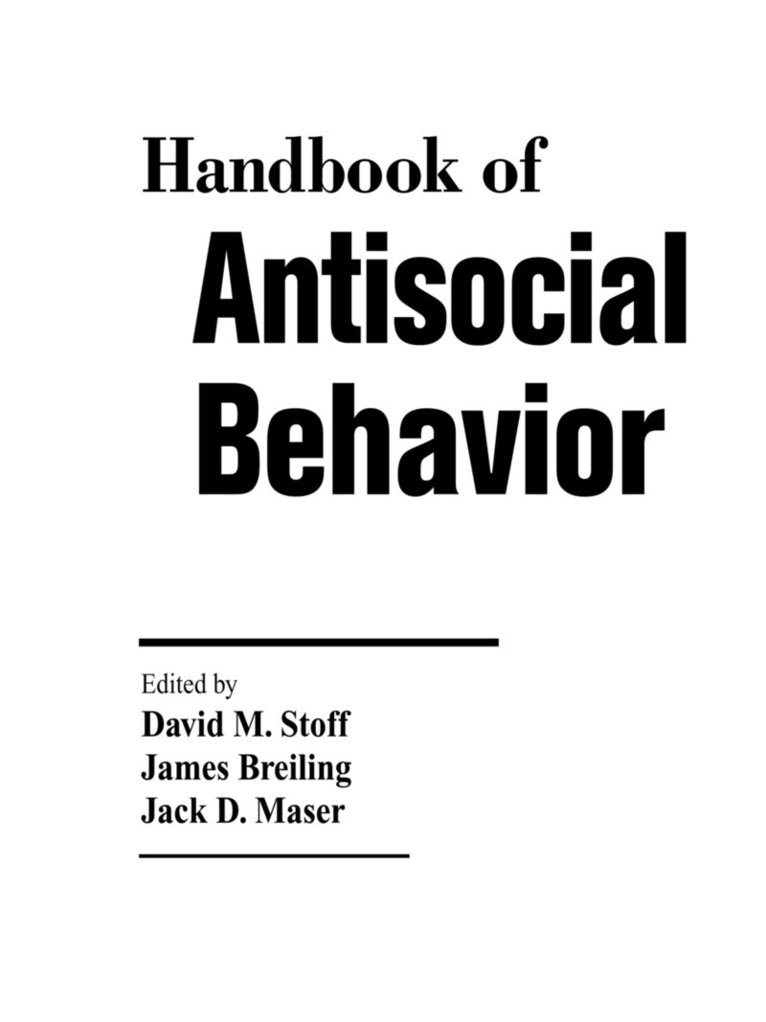
Handbook of Antisocial Behavior Each year tens of thousands of families are torn apart, hundreds ofthousands of lives are ruined, and millions of dollars' worth ofproperty is destroyed as a result of antisocial behavior. Soendemic are violence and aggression to our society that it isn'thard to imagine future historians categorizing the late twentiethcentury not as the "Space Age" or the "Information Age," but as the"Antisocial Age"--the time when society went to war against itself.As with any plague that threatens civilization, the first and bestline of defense against antisocial behavior is the knowledge thatcomes from dedicated scientific research into its causes andcures. Does violence on the screen cause violence in the street?* Do hormones cause violence?* Can we prevent violence?* Is antisocial behavior a mental illness?* How can we identify and measure antisocial behavior?* How are women and men similar and different with respect toantisocial behavior?* How can we better understand spouse and child abuse? In the latter part of this century, an increasingly vigorous andsophisticated scientific study of antisocial behavior has emerged.This new science has offered partial answers to some very importantquestions which will lead to better understanding and prevention ofantisocial behavior. These and other questions are addressed in theHandbook of Antisocial Behavior. In 50 chapters, more than 100leading scientists, clinicians, and scholars review the research intheir area of expertise to provide extraordinarily extensive anddeep coverage of the field in a single volume. These experts share their findings, insights, and theoriesconcerning most types of antisocial behaviors and antisocialbehavioral disorders, including aggressiveness, noncompliance,conduct problems, delinquency, sexual offenses, criminality, mediaviolence, child abuse, spouse abuse, impulsivity, and antisocialpersonality disorder. The Handbook of Antisocial Behavior is an indispensable resourcefor mental health practitioners, as well as anyone involved inresearch into violence and aggression, including psychologists,psychiatrists, neuroscientists, public health professionals,epidemiologists, sociologists, and criminologists. A comprehensive review of the latest research and clinicaltrends More than 100 of the world's leading researchers and cliniciansfrom the fields of psychology, psychiatry, the neurosciences,sociology, epidemiology, and criminology share their insights intothe causes of and cures for one of contemporary society's mostperplexing and pernicious classes of behavioral disorders. Coveringvirtually all forms of antisocial behavior and antisocialbehavioral disorders, the Handbook of Antisocial Behavior comprisesthe most extensive review currently available of:* The development and origins of antisocial behavior* The demographics of all forms of antisocial behavior* The latest assessment and diagnostic techniques* Breakthroughs in prevention and intervention* Special populations and special issues, from domestic violence tocross-cultural and gender issues
416 kr
Skickas inom 7-10 vardagar
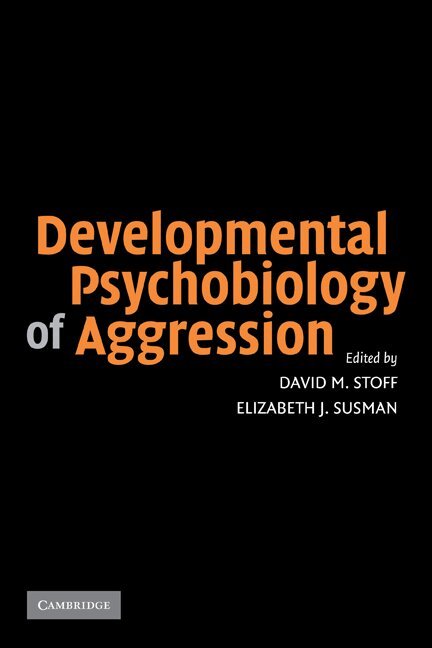
This book is the outgrowth of a memorial conference to honour the scientific contributions of Robert B. Cairns, an internationally recognised interdisciplinary developmental scientist. It is organised around research themes that were an integral part of Dr Cairns' theories and research: neural and developmental plasticity; brain-behaviour bidirectionality; gene-environment interactions. Throughout this book, these themes are linked together by employing animal models and clinical investigations through multiple levels of analysis approach to understanding the origins, development, desistance and prevention of aggression. These studies will add to the compendium of basic knowledge on the developmental psychobiology of aggression and will aid in the ultimate translation of this knowledge to clinical and community settings. This book hopes to foster the legacy of Robert B. Cairns to facilitate the theoretical development and research of a new generation of developmental scientists dedicated to relieving the tragic consequences of aggression on the individual and society.
1 286 kr
Skickas inom 7-10 vardagar
This book is the outgrowth of a memorial conference to honour the scientific contributions of Robert B. Cairns, an internationally recognised interdisciplinary developmental scientist. It is organised around research themes that were an integral part of Dr Cairns' theories and research: neural and developmental plasticity; brain-behaviour bidirectionality; gene-environment interactions. Throughout this book, these themes are linked together by employing animal models and clinical investigations through multiple levels of analysis approach to understanding the origins, development, desistance and prevention of aggression. These studies will add to the compendium of basic knowledge on the developmental psychobiology of aggression and will aid in the ultimate translation of this knowledge to clinical and community settings. This book hopes to foster the legacy of Robert B. Cairns to facilitate the theoretical development and research of a new generation of developmental scientists dedicated to relieving the tragic consequences of aggression on the individual and society.
596 kr
Skickas inom 10-15 vardagar
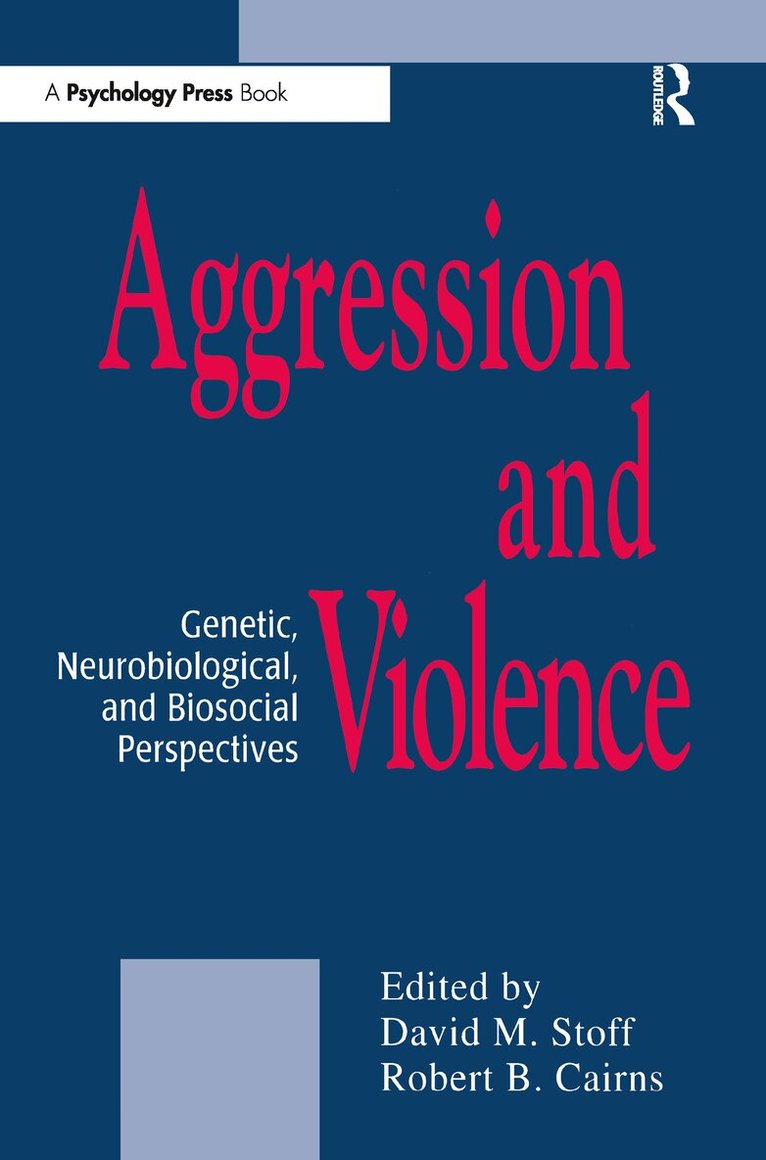
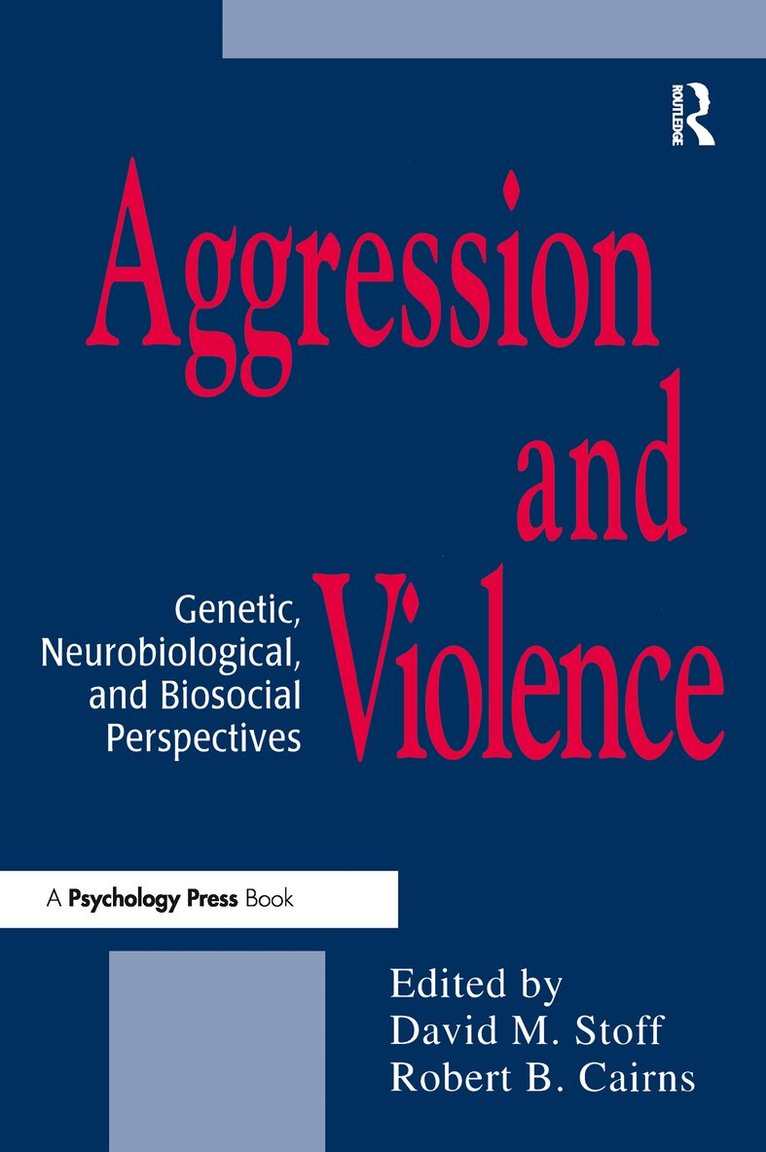
Conceived at a time when biological research on aggression and violence was drawn into controversy because of sociopolitical questions about its study, this volume provides an up-to-date account of recent biological studies performed -- mostly on humans. A group of scientists recognized the importance of freedom of inquiry and deemed it vital to address the most promising biological research in the field. The focus on biological mechanisms is not meant to imply that biological variables are paramount as a determinant of violence. Rather, biological variables operate in conjunction with other variables contributing to aggression or violence, and a complete understanding of this phenomenon requires consideration of all influences bearing on it.This book will familiarize readers with the rapidly growing and increasingly significant body of knowledge on the biological bases of human antisocial, aggressive, and violent behaviors. The editors concentrated on biological influences that support the basic physiological and biochemical processes of the brain and did not cover those biological influences that impact on the health of the individual such as head injury, pregnancy and birth complications, diet, and exposure to lead and other toxins. They focused on biological influences to illuminate their role in the complex behavioral phenomenon of violence. Three different approaches to the biological study of human antisocial, aggressive, and violent behaviors are represented -- genetic, neurobiological, and biosocial. Representing each of these three approaches, individual chapters from investigators in psychobiology, biological psychiatry, and basic-clinical neurosciences address the most recent experimental findings, methods, theory, and common misconceptions in the biological study of aggression and violence. The areas of primary focus are behavior and molecular genetics, neurochemistry and hormones, neuroimaging, psychophysiology and developmental psychobiology. Generally speaking, investigators following these different approaches have experience in different scientific backgrounds, select different methods, generate different analyses, employ different conceptual definitions for some of the same terms, and assume a different philosophical stance in attempting to explain violence. Nevertheless, all are united in their efforts to understand the biological underpinnings of violence. This book then assumes a comprehensive approach wherein different levels of analysis and different approaches inform each other. It is clear from the studies reported that aggression and violence are multidetermined phenomena and understanding them requires an interdisciplinary approach spanning economic, sociopolitical, psychological, sociological, and criminological as well as biomedical considerations. Nature (biology) and nurture (experience, context) are fundamentally inseparable in explaining aggression and violence; biology may affect experience or context, but experience or context also influences biology. Both need to be studied in a search for explanations of this phenomena.
372 kr
Skickas inom 10-15 vardagar
Conceived at a time when biological research on aggression and violence was drawn into controversy because of sociopolitical questions about its study, this volume provides an up-to-date account of recent biological studies performed -- mostly on humans. A group of scientists recognized the importance of freedom of inquiry and deemed it vital to address the most promising biological research in the field. The focus on biological mechanisms is not meant to imply that biological variables are paramount as a determinant of violence. Rather, biological variables operate in conjunction with other variables contributing to aggression or violence, and a complete understanding of this phenomenon requires consideration of all influences bearing on it.This book will familiarize readers with the rapidly growing and increasingly significant body of knowledge on the biological bases of human antisocial, aggressive, and violent behaviors. The editors concentrated on biological influences that support the basic physiological and biochemical processes of the brain and did not cover those biological influences that impact on the health of the individual such as head injury, pregnancy and birth complications, diet, and exposure to lead and other toxins. They focused on biological influences to illuminate their role in the complex behavioral phenomenon of violence. Three different approaches to the biological study of human antisocial, aggressive, and violent behaviors are represented -- genetic, neurobiological, and biosocial. Representing each of these three approaches, individual chapters from investigators in psychobiology, biological psychiatry, and basic-clinical neurosciences address the most recent experimental findings, methods, theory, and common misconceptions in the biological study of aggression and violence. The areas of primary focus are behavior and molecular genetics, neurochemistry and hormones, neuroimaging, psychophysiology and developmental psychobiology. Generally speaking, investigators following these different approaches have experience in different scientific backgrounds, select different methods, generate different analyses, employ different conceptual definitions for some of the same terms, and assume a different philosophical stance in attempting to explain violence. Nevertheless, all are united in their efforts to understand the biological underpinnings of violence. This book then assumes a comprehensive approach wherein different levels of analysis and different approaches inform each other. It is clear from the studies reported that aggression and violence are multidetermined phenomena and understanding them requires an interdisciplinary approach spanning economic, sociopolitical, psychological, sociological, and criminological as well as biomedical considerations. Nature (biology) and nurture (experience, context) are fundamentally inseparable in explaining aggression and violence; biology may affect experience or context, but experience or context also influences biology. Both need to be studied in a search for explanations of this phenomena.