David M. Walters – författare
Visar alla böcker från författaren . Handla med fri frakt och snabb leverans.
4 produkter
4 produkter
Häftad, Engelska, 2016
181 kr
Skickas inom 3-6 vardagar
Inbunden, Engelska, 2020
1 291 kr
Skickas inom 10-15 vardagar
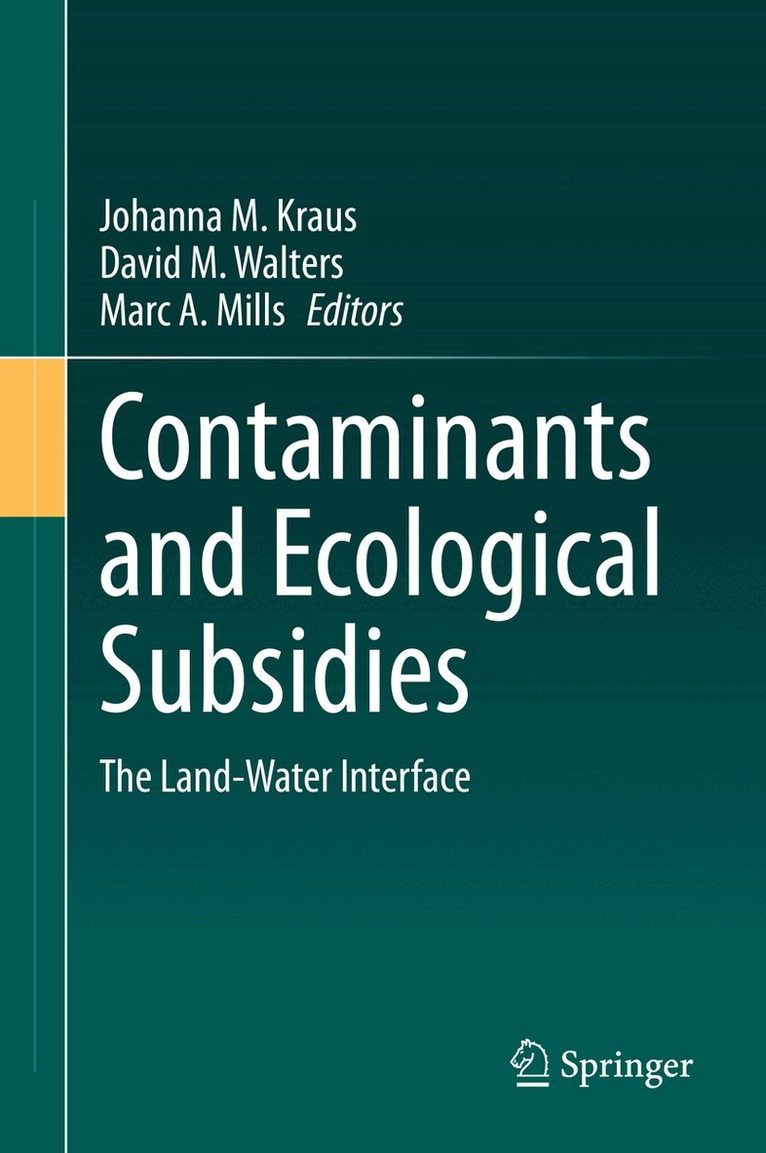
This volume explores the effects of aquatic contaminants on ecological subsidies and food web exposure at the boundary of aquatic and terrestrial ecosystems. It provides the first synthesis of the findings and principles governing the “dark side” of contaminant effects on ecological subsidies. Furthermore, the volume provides extensive coverage of the tools being developed to help managers and researchers better understand the implications of contaminants movement and their effects on natural resources and ecosystem processes. Aquatic and terrestrial ecosystems are linked through movements of energy and nutrients which subsidize recipient food webs. As a result, contaminants that concentrate in aquatic systems because of the effects of gravity on water and organic matter have the potential to impact both aquatic and terrestrial ecosystem processes. Within the last decade, increased attention has been paid to this phenomenon, particularly the effectsof aquatic contaminants on resource and contaminant export to terrestrial consumers, and the potential implications for management. This volume, curated and edited by three field leaders, incorporates empirical results, management applications and theoretical synthesis and is a key reference for academics, government researchers and consultants.
E-bok
Engelska, 20201 733 kr
Läs direkt efter köp
This volume explores the effects of aquatic contaminants on ecological subsidies and food web exposure at the boundary of aquatic and terrestrial ecosystems. It provides the first synthesis of the findings and principles governing the “dark side” of contaminant effects on ecological subsidies. Furthermore, the volume provides extensive coverage of the tools being developed to help managers and researchers better understand the implications of contaminants movement and their effects on natural resources and ecosystem processes. Aquatic and terrestrial ecosystems are linked through movements of energy and nutrients which subsidize recipient food webs. As a result, contaminants that concentrate in aquatic systems because of the effects of gravity on water and organic matter have the potential to impact both aquatic and terrestrial ecosystem processes. Within the last decade, increased attention has been paid to this phenomenon, particularly the effectsof aquatic contaminants on resource and contaminant export to terrestrial consumers, and the potential implications for management. This volume, curated and edited by three field leaders, incorporates empirical results, management applications and theoretical synthesis and is a key reference for academics, government researchers and consultants.
Häftad, Engelska, 2021
1 291 kr
Skickas inom 10-15 vardagar
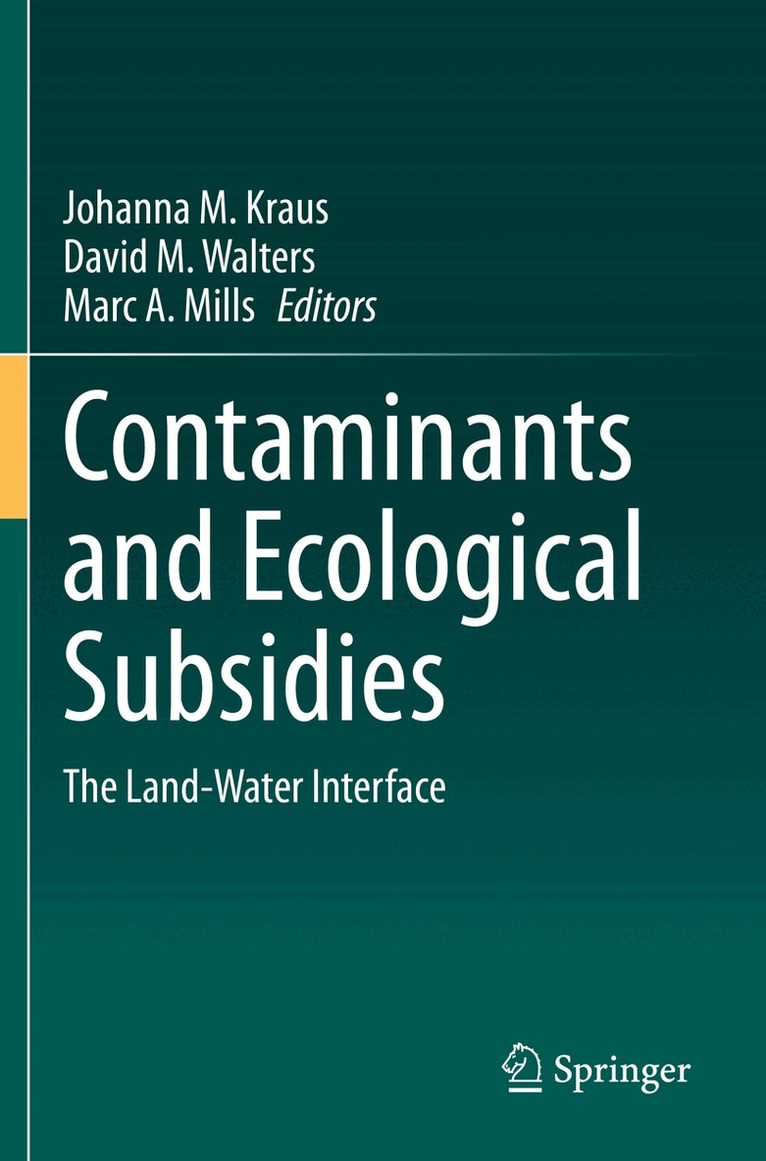
This volume explores the effects of aquatic contaminants on ecological subsidies and food web exposure at the boundary of aquatic and terrestrial ecosystems. It provides the first synthesis of the findings and principles governing the “dark side” of contaminant effects on ecological subsidies. Furthermore, the volume provides extensive coverage of the tools being developed to help managers and researchers better understand the implications of contaminants movement and their effects on natural resources and ecosystem processes. Aquatic and terrestrial ecosystems are linked through movements of energy and nutrients which subsidize recipient food webs. As a result, contaminants that concentrate in aquatic systems because of the effects of gravity on water and organic matter have the potential to impact both aquatic and terrestrial ecosystem processes. Within the last decade, increased attention has been paid to this phenomenon, particularly the effectsof aquatic contaminants on resource and contaminant export to terrestrial consumers, and the potential implications for management. This volume, curated and edited by three field leaders, incorporates empirical results, management applications and theoretical synthesis and is a key reference for academics, government researchers and consultants.