David M. Wilkinson - Böcker
Visar alla böcker från författaren David M. Wilkinson. Handla med fri frakt och snabb leverans.
6 produkter
6 produkter
1 370 kr
Skickas inom 5-8 vardagar
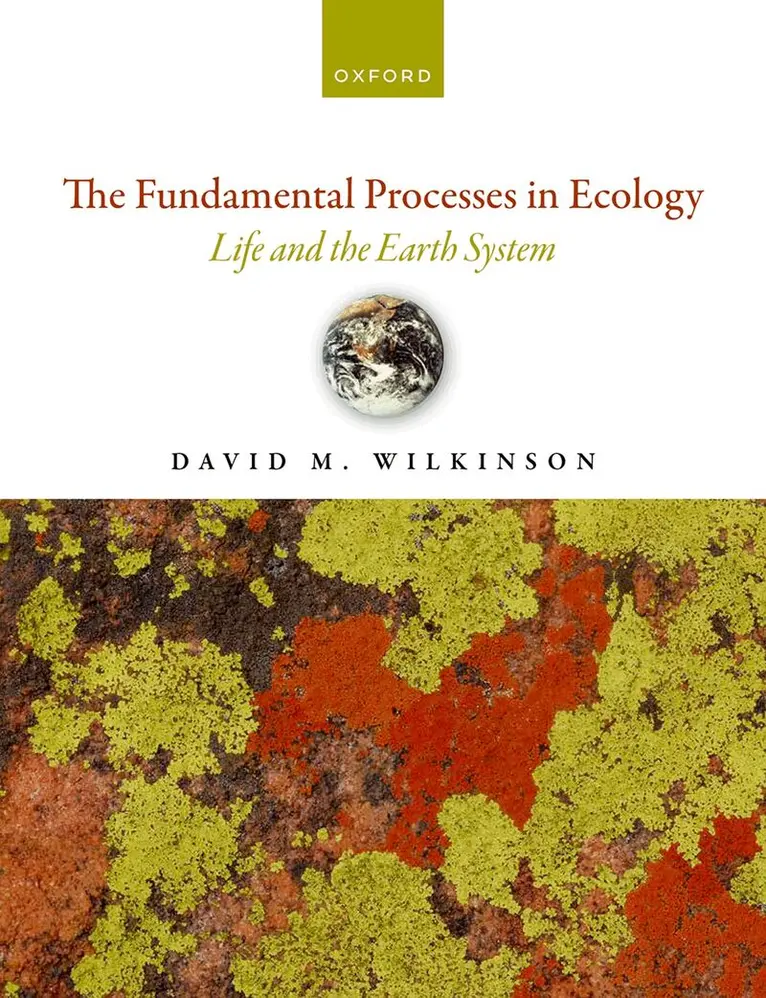
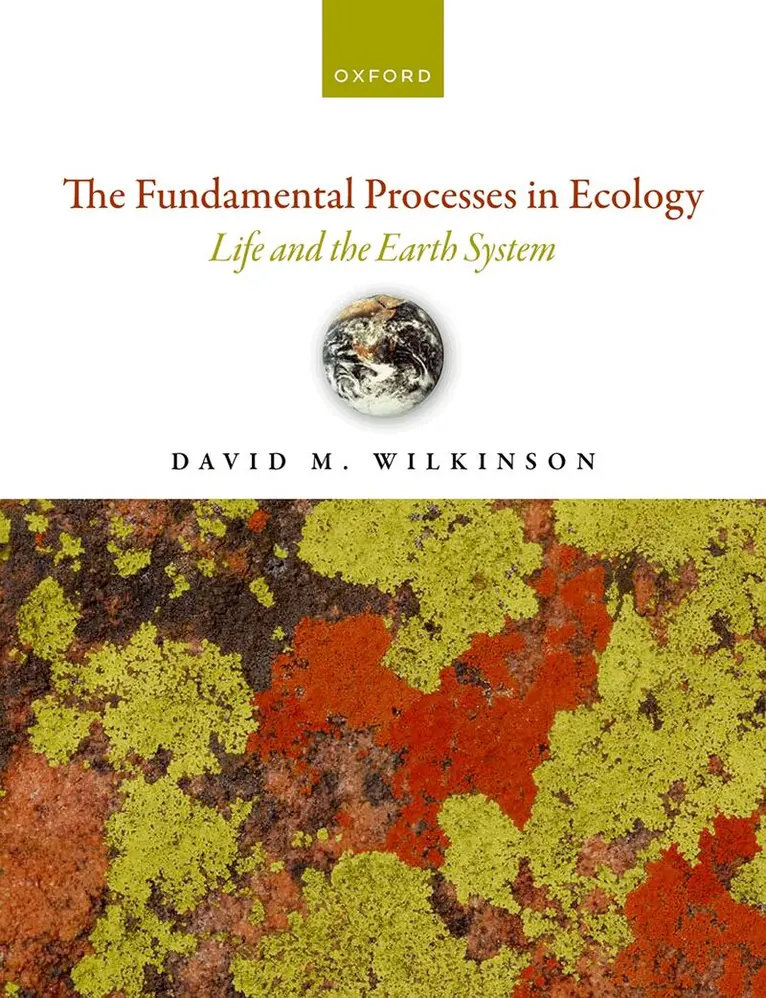
This thought-provoking book introduces a way to study ecosystems that is resonant with current thinking in the fields of earth system science, geobiology, and planetology. Instead of organizing the subject around a hierarchical series of entities (e.g. genes, individuals, populations, species, communities, and the biosphere), the book provides an alternative process-based approach and proposes a truly planetary view of ecological science. It demonstrates how the idea of fundamental ecological processes can be developed at the systems level, specifically their involvement in control and feedback mechanisms. This enables the reader to reconsider fundamental ecological processes such as energy flow, guilds, trade-offs, carbon cycling, and photosynthesis, and to put them in a global (and even planetary) context. In so doing, the book places a much stronger emphasis on microorganisms. Since publication of the first edition in 2006, ever growing societal concern about environmental sustainability has ensured that the earth system science/Gaian approach has steadily gained traction. Its integration with ecology is now more important than ever if ecological science is to effectively contribute to the massive problems and future challenges associated with global environmental change. The Fundamental Processes in Ecology is an accessible text for senior undergraduates, graduate student seminar courses, and researchers in the fields of ecology, environmental sustainability, earth system science, evolutionary biology, palaeontology, history of life, astrobiology, planetology, climatology, geology, and physical geography.
530 kr
Skickas inom 5-8 vardagar
This thought-provoking book introduces a way to study ecosystems that is resonant with current thinking in the fields of earth system science, geobiology, and planetology. Instead of organizing the subject around a hierarchical series of entities (e.g. genes, individuals, populations, species, communities, and the biosphere), the book provides an alternative process-based approach and proposes a truly planetary view of ecological science. It demonstrates how the idea of fundamental ecological processes can be developed at the systems level, specifically their involvement in control and feedback mechanisms. This enables the reader to reconsider fundamental ecological processes such as energy flow, guilds, trade-offs, carbon cycling, and photosynthesis, and to put them in a global (and even planetary) context. In so doing, the book places a much stronger emphasis on microorganisms. Since publication of the first edition in 2006, ever growing societal concern about environmental sustainability has ensured that the earth system science/Gaian approach has steadily gained traction. Its integration with ecology is now more important than ever if ecological science is to effectively contribute to the massive problems and future challenges associated with global environmental change. The Fundamental Processes in Ecology is an accessible text for senior undergraduates, graduate student seminar courses, and researchers in the fields of ecology, environmental sustainability, earth system science, evolutionary biology, palaeontology, history of life, astrobiology, planetology, climatology, geology, and physical geography.
1 269 kr
Skickas inom 5-8 vardagar
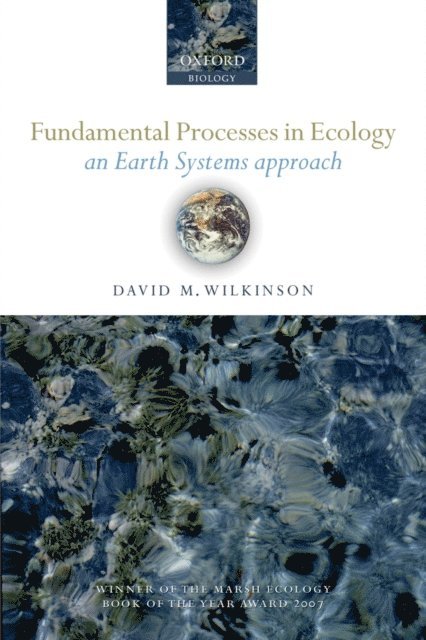
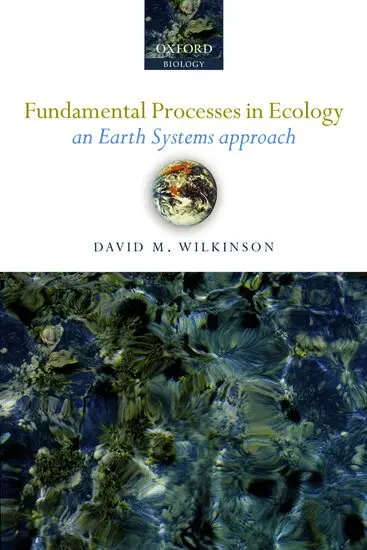
Fundamental Processes in Ecology presents a way to study ecosystems that is not yet available in ecology textbooks but is resonant with current thinking in the emerging fields of geobiology and Earth System Science. It provides an alternative, process-based classification of ecology and proposes a truly planetary view of ecological science. To achieve this, it asks (and endeavours to answer) the question, "what are the fundamental ecological processes which would be found on any planet with Earth-like, carbon based, life?"The author demonstrates how the idea of fundamental ecological processes can be developed at the systems level, specifically their involvement in control and feedback mechanisms. This approach allows us to reconsider basic ecological ideas such as energy flow, guilds, trade-offs, carbon cycling and photosynthesis; and to put these in a global context. In doing so, the book puts a much stronger emphasis on microorganisms than has traditionally been the case. The integration of Earth System Science with ecology is vitally important if ecological science is to successfully contribute to the massive problems and future challenges associated with global change. Although the approach is heavily influenced by Lovelock's Gaia hypothesis, this is not a popular science book about Gaian theory. Instead it is written as an accessible text for graduate student seminar courses and researchers in the fields of ecology, earth system science, evolutionary biology, palaeontology, history of life, astrobiology, geology and physical geography.
733 kr
Skickas inom 3-6 vardagar
Fundamental Processes in Ecology presents a way to study ecosystems that is not yet available in ecology textbooks but is resonant with current thinking in the emerging fields of geobiology and Earth System Science. It provides an alternative, process-based classification of ecology and proposes a truly planetary view of ecological science. To achieve this, it asks (and endeavours to answer) the question, "what are the fundamental ecological processes which would be found on any planet with Earth-like, carbon based, life?"The author demonstrates how the idea of fundamental ecological processes can be developed at the systems level, specifically their involvement in control and feedback mechanisms. This approach allows us to reconsider basic ecological ideas such as energy flow, guilds, trade-offs, carbon cycling and photosynthesis; and to put these in a global context. In doing so, the book puts a much stronger emphasis on microorganisms than has traditionally been the case. The integration of Earth System Science with ecology is vitally important if ecological science is to successfully contribute to the massive problems and future challenges associated with global change. Although the approach is heavily influenced by Lovelock's Gaia hypothesis, this is not a popular science book about Gaian theory. Instead it is written as an accessible text for graduate student seminar courses and researchers in the fields of ecology, earth system science, evolutionary biology, palaeontology, history of life, astrobiology, geology and physical geography.
1 556 kr
Skickas inom 7-10 vardagar
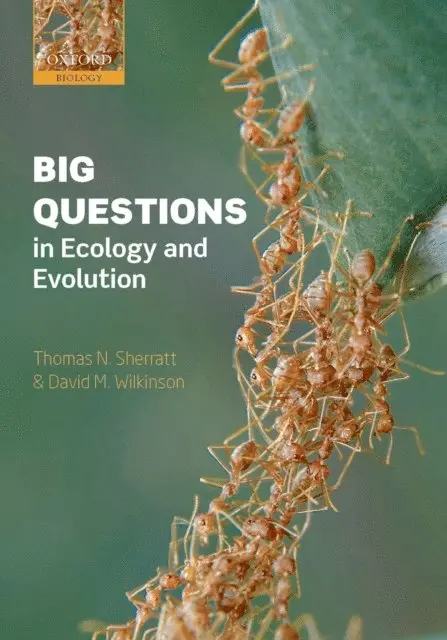
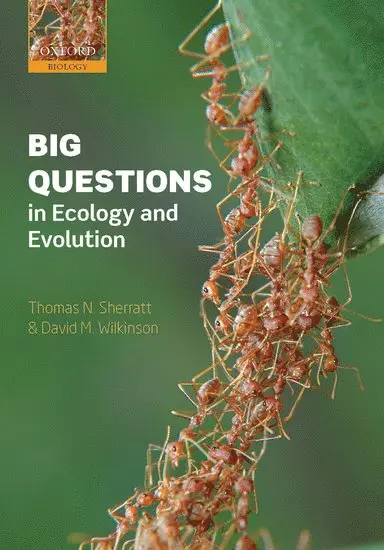
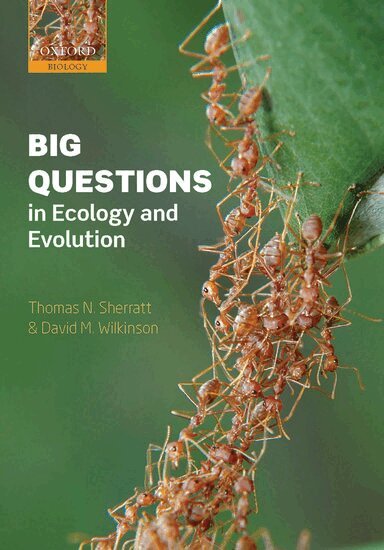
Why do we age? Why cooperate? Why do so many species engage in sex? Why do the tropics have so many species? When did humans start to affect world climate? This book provides an introduction to a range of fundamental questions that have taxed evolutionary biologists and ecologists for decades. Some of the phenomena discussed are, on first reflection, simply puzzling to understand from an evolutionary perspective, whilst others have direct implications for the future of the planet. All of the questions posed have at least a partial solution, all have seen exciting breakthroughs in recent years, yet many of the explanations continue to be hotly debated. Big Questions in Ecology and Evolution is a curiosity-driven book, written in an accessible way so as to appeal to a broad audience. It is very deliberately not a formal text book, but something designed to transmit the excitement and breadth of the field by discussing a number of major questions in ecology and evolution and how they have been answered. This is a book aimed at informing and inspiring anybody with an interest in ecology and evolution. It reveals to the reader the immense scope of the field, its fundamental importance, and the exciting breakthroughs that have been made in recent years.
791 kr
Skickas inom 7-10 vardagar
Why do we age? Why cooperate? Why do so many species engage in sex? Why do the tropics have so many species? When did humans start to affect world climate? This book provides an introduction to a range of fundamental questions that have taxed evolutionary biologists and ecologists for decades. Some of the phenomena discussed are, on first reflection, simply puzzling to understand from an evolutionary perspective, whilst others have direct implications for the future of the planet. All of the questions posed have at least a partial solution, all have seen exciting breakthroughs in recent years, yet many of the explanations continue to be hotly debated. Big Questions in Ecology and Evolution is a curiosity-driven book, written in an accessible way so as to appeal to a broad audience. It is very deliberately not a formal text book, but something designed to transmit the excitement and breadth of the field by discussing a number of major questions in ecology and evolution and how they have been answered. This is a book aimed at informing and inspiring anybody with an interest in ecology and evolution. It reveals to the reader the immense scope of the field, its fundamental importance, and the exciting breakthroughs that have been made in recent years.