David N. Gellman - Böcker
Visar alla böcker från författaren David N. Gellman. Handla med fri frakt och snabb leverans.
5 produkter
5 produkter
1 709 kr
Skickas inom 3-6 vardagar
322 kr
Skickas inom 10-15 vardagar
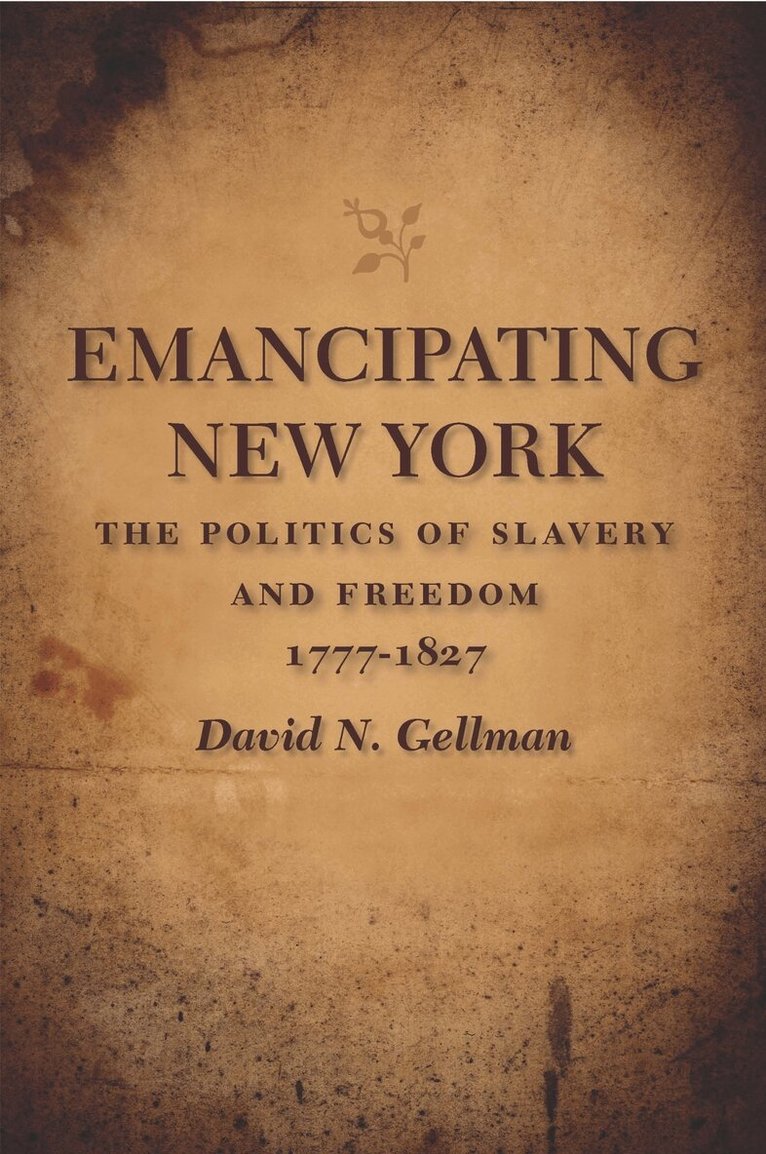
An innovative blend of cultural and political history, Emancipating New York is the most complete study to date of the abolition of slavery in New York state. Focusing on public opinion, David N. Gellman shows New Yorkers engaged in vigorous debates and determined activism during the final decades of the eighteenth century as they grappled with the possibility of freeing the state's black population. The gradual emancipation that began in New York in 1799 helped move an entire region of the country toward a historically rare slaveless democracy, creating a wedge in the United States that would ultimately lead to the Civil War. Gellman's comprehensive examination of the reasons for and timing of New York's dismantling of slavery provides a fascinating narrative of a citizenry addressing longstanding injustices central to some of the greatest traumas of American history.
939 kr
Skickas inom 10-15 vardagar
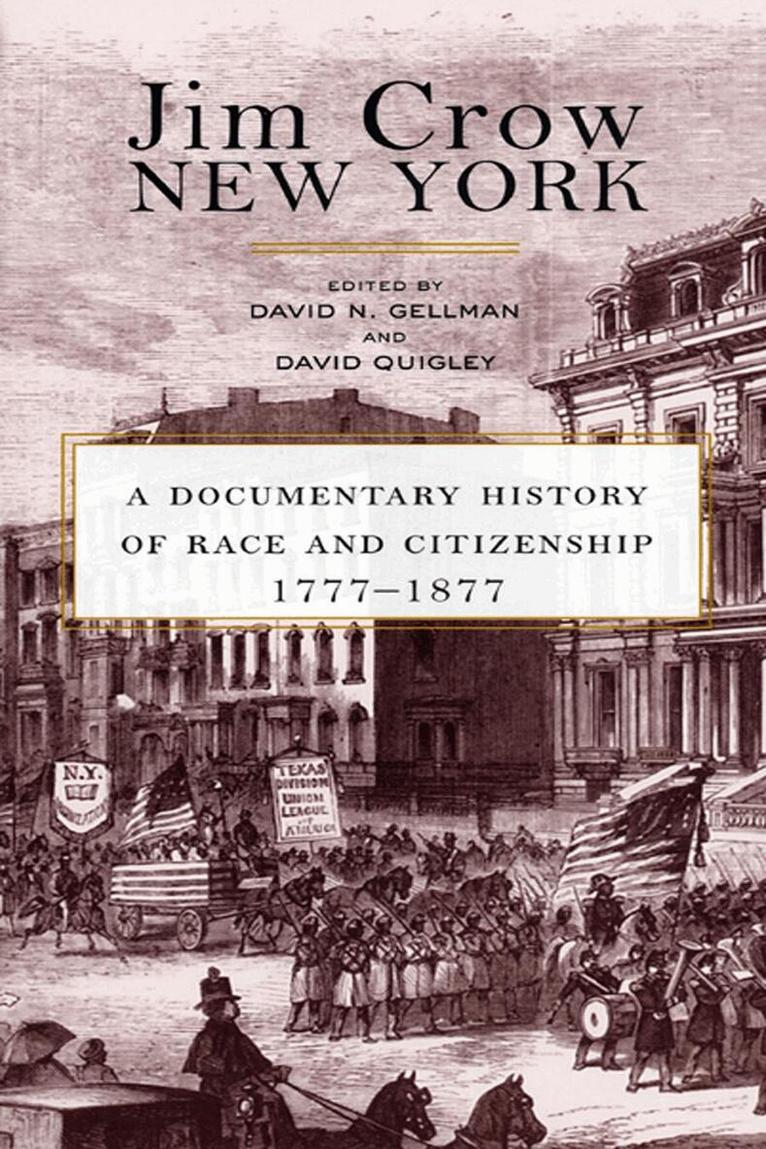
A Choice Outstanding Academic Title (2004)In 1821, New York's political leaders met for over two months to rewrite the state's constitution. The new document secured the right to vote for the great mass of white men while denying all but the wealthiest African-American men access to the polls.Jim Crow New York introduces students and scholars alike to this watershed event in American political life. This action crystallized the paradoxes of free black citizenship, not only in the North but throughout the nation: African Americans living in New York would no longer be slaves. But would they be citizens?Jim Crow New York provides readers with both scholarly analysis and access to a series of extraordinary documents, including extensive excerpts from the resonant speeches made at New York's 1821 constitutional convention and additional documents which recover a diversity of voices, from lawmakers to African-American community leaders, from newspaper editors to activists. The text is further enhanced by extensive introductory essays and headnotes, maps, illustrations, and a detailed bibliographic essay.
412 kr
Skickas inom 7-10 vardagar
A Choice Outstanding Academic Title (2004)In 1821, New York's political leaders met for over two months to rewrite the state's constitution. The new document secured the right to vote for the great mass of white men while denying all but the wealthiest African-American men access to the polls.Jim Crow New York introduces students and scholars alike to this watershed event in American political life. This action crystallized the paradoxes of free black citizenship, not only in the North but throughout the nation: African Americans living in New York would no longer be slaves. But would they be citizens?Jim Crow New York provides readers with both scholarly analysis and access to a series of extraordinary documents, including extensive excerpts from the resonant speeches made at New York's 1821 constitutional convention and additional documents which recover a diversity of voices, from lawmakers to African-American community leaders, from newspaper editors to activists. The text is further enhanced by extensive introductory essays and headnotes, maps, illustrations, and a detailed bibliographic essay.
399 kr
Skickas inom 7-10 vardagar
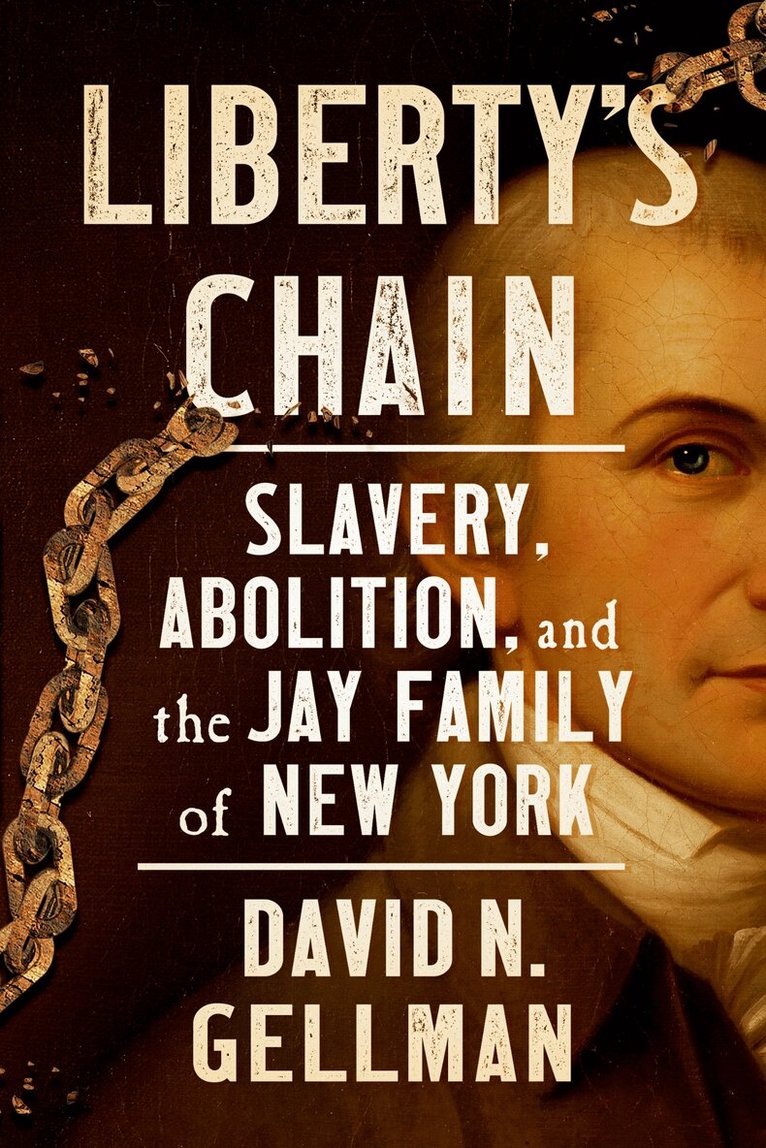
Winner of the Herbert H. Lehman Prize for Distinguished Scholarship from the New York Academy of History.In Liberty's Chain, David N. Gellman shows how the Jay family, abolitionists and slaveholders alike, embodied the contradictions of the revolutionary age. The Jays of New York were a preeminent founding family. John Jay, diplomat, Supreme Court justice, and coauthor of the Federalist Papers, and his children and grandchildren helped chart the course of the Early American Republic. Liberty's Chain forges a new path for thinking about slavery and the nation's founding. John Jay served as the inaugural president of a pioneering antislavery society. His descendants, especially his son William Jay and his grandson John Jay II, embraced radical abolitionism in the nineteenth century, the cause most likely to rend the nation. The scorn of their elite peers—and racist mobs—did not deter their commitment to end southern slavery and to combat northern injustice. John Jay's personal dealings with African Americans ranged from callousness to caring. Across the generations, even as prominent Jays decried human servitude, enslaved people and formerly enslaved people served in Jay households. Abbe, Clarinda, Caesar Valentine, Zilpah Montgomery, and others lived difficult, often isolated, lives that tested their courage and the Jay family's principles.The personal and the political intersect in this saga, as Gellman charts American values transmitted and transformed from the colonial and revolutionary eras to the Civil War, Reconstruction, and beyond. The Jays, as well as those who served them, demonstrated the elusiveness and the vitality of liberty's legacy. This remarkable family story forces us to grapple with what we mean by patriotism, conservatism, and radicalism. Their story speaks directly to our own divided times.