David Oliver Davies - Böcker
Visar alla böcker från författaren David Oliver Davies. Handla med fri frakt och snabb leverans.
2 produkter
2 produkter
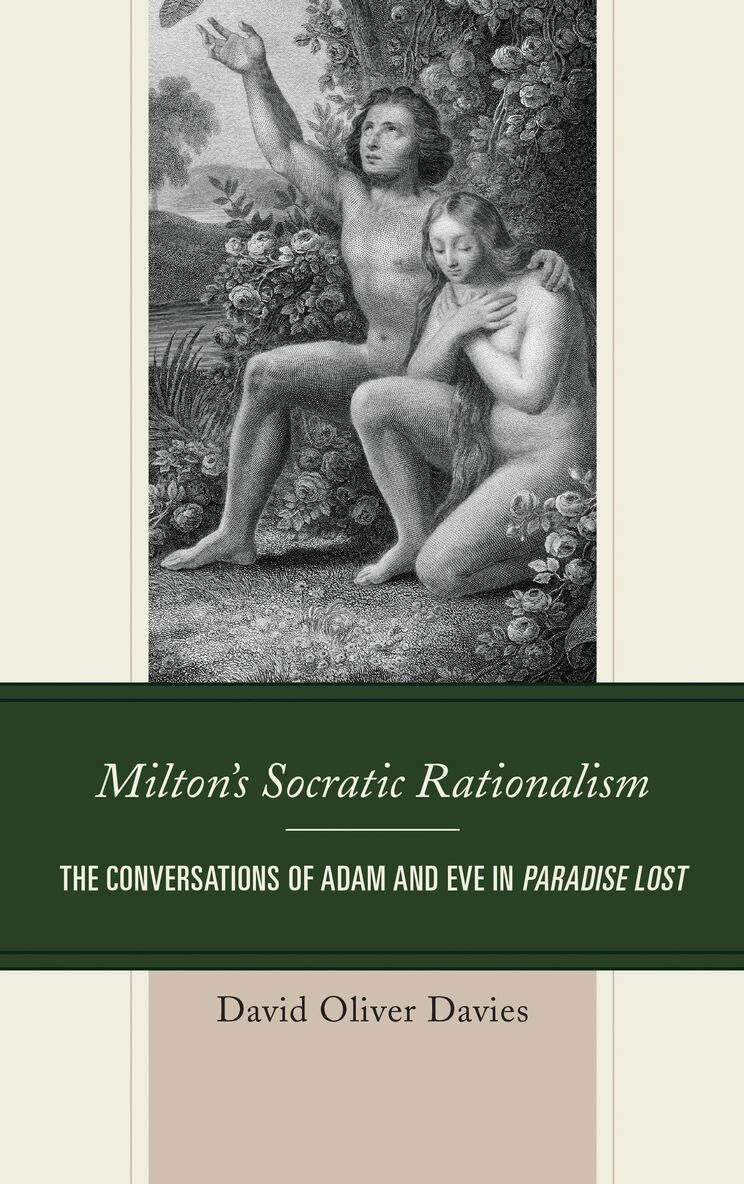
Milton's Socratic Rationalism
The Conversations of Adam and Eve in Paradise Lost
Inbunden, Engelska, 2017
1 314 kr
Skickas inom 10-15 vardagar
The conversation of Adam and Eve in Paradise Lost, that most obvious of Milton's additions to the Biblical narrative, enacts the pair's inquiry into and discovery of the gift of their rational nature in a mode of discourse closely aligned to practices of Socrates in the dialogues of Plato and eponymous discourses of Xenophon. Adam and Eve both begin their life "much wondering where\ And what I was, whence thither brought and how.” Their conjoint discoveries of each other's and their own nature in this talk Milton arranges for a in dialectical counterpoise to his persona's expressed task "to justify the ways of God to men." Like Xenophon's Socrates in the Memorabilia, Milton's persona indites those "ways of God" in terms most agreeable to his audience of "men"––notions Aristotle calls "generally accepted opinions." Thus for Milton's "fit audience" Paradise Lost willpresent two ways––that address congenial to men per se, and a fit discourse attuned to their very own rational faculties––to understand "the ways of God to men." The interrogation of each way by its counterpart among the distinct audiences is the "great Argument" of the poem.
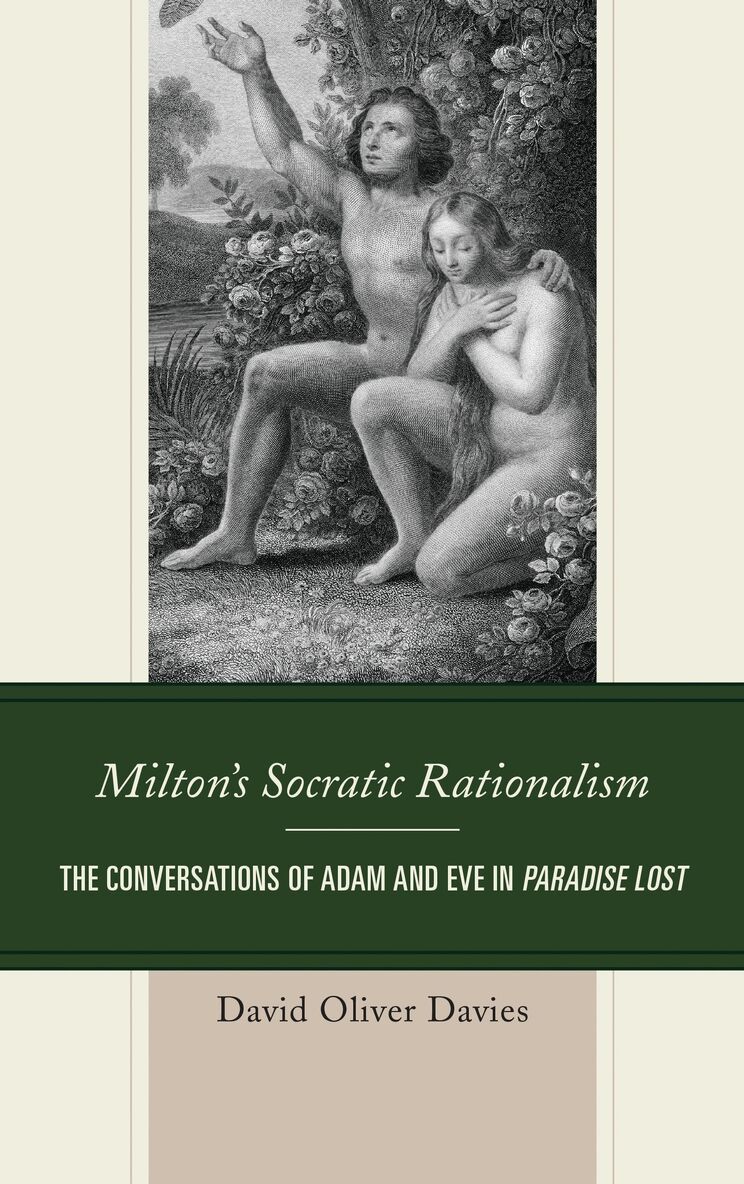
Milton's Socratic Rationalism
The Conversations of Adam and Eve in Paradise Lost
Häftad, Engelska, 2020
561 kr
Skickas inom 10-15 vardagar
The conversation of Adam and Eve in Paradise Lost, that most obvious of Milton's additions to the Biblical narrative, enacts the pair's inquiry into and discovery of the gift of their rational nature in a mode of discourse closely aligned to practices of Socrates in the dialogues of Plato and eponymous discourses of Xenophon. Adam and Eve both begin their life "much wondering where\ And what I was, whence thither brought and how.” Their conjoint discoveries of each other's and their own nature in this talk Milton arranges for a in dialectical counterpoise to his persona's expressed task "to justify the ways of God to men." Like Xenophon's Socrates in the Memorabilia, Milton's persona indites those "ways of God" in terms most agreeable to his audience of "men"––notions Aristotle calls "generally accepted opinions." Thus for Milton's "fit audience" Paradise Lost willpresent two ways––that address congenial to men per se, and a fit discourse attuned to their very own rational faculties––to understand "the ways of God to men." The interrogation of each way by its counterpart among the distinct audiences is the "great Argument" of the poem.