David Platten – författare
Visar alla böcker från författaren David Platten. Handla med fri frakt och snabb leverans.
2 produkter
2 produkter
172 kr
Skickas
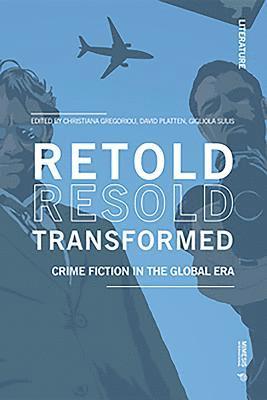
In recent decades crime fiction has enjoyed a creative boom. Although, as Alison Young argues in her book Imagining Crime (1996), crime stories remain strongly identified with specific locations, the genre has acquired a global reach, illuminating different corners of the world for the delectation of international audiences. The recent fashion for Nordic noir has highlighted the process by which the crime story may be franchised, as it is transposed from one culture to another. Crime fiction has thus become a vehicle for cultural exchange in the broadest of senses; not only does it move with apparent ease from one country to the next, and in and out of different languages, but it is also reproduced through various cultural media. What is involved in these processes of transference? Do stories lose or gain value? Or are they transformed into something else altogether? How does the crime story that originates in a specific society or culture come to articulate aspects of very different societies and cultures? And what are the repercussions of this cultural permeability?
1 574 kr
Skickas inom 3-6 vardagar
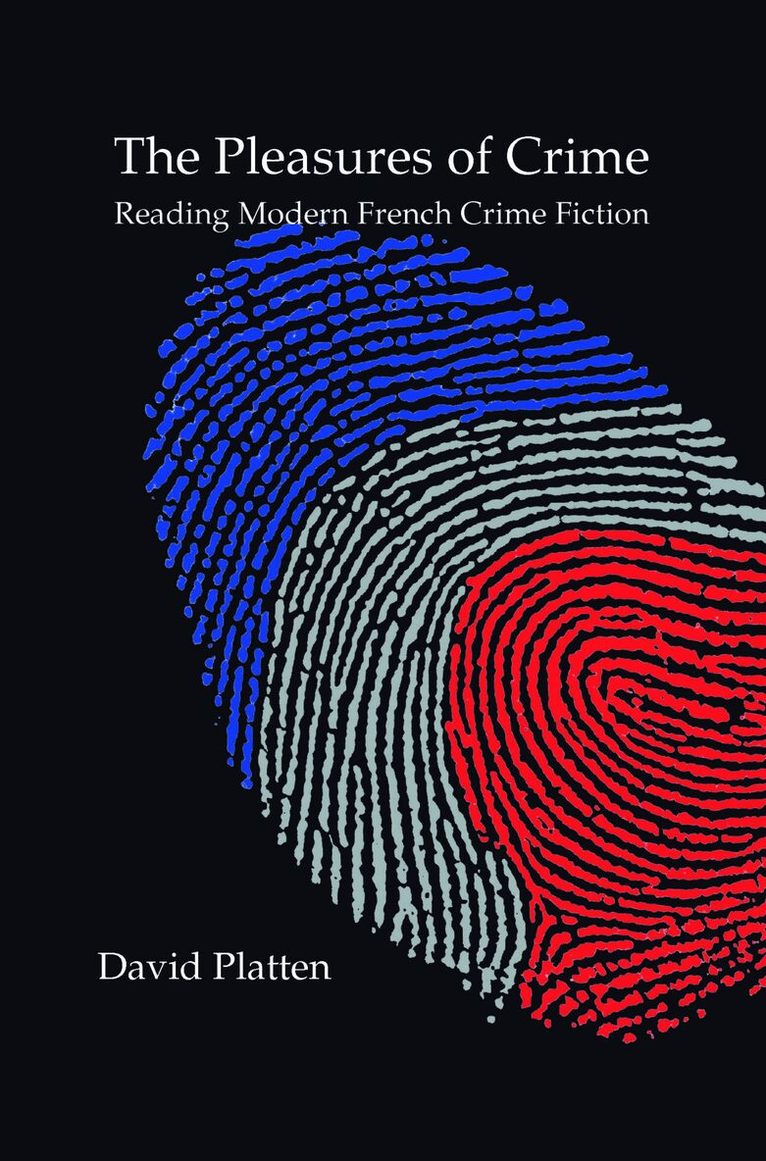
For 150 years the French public and literati have enjoyed a love affair with crime fiction. This book investigates the nature of this relationship and how through periods of dramatic social and political change in France it has flourished. It challenges the conventional view of a popular genre feeding a niche market, depicting crime fiction instead as a field of creative endeavour, which has gradually matured into one of considerable literary fertility. By inviting us to share secrets and crack codes, creating suspense and (at times) not shirking from presenting horrific events in graphic language, the crime story brings into play the intellect and emotions of its readership. This book explores both this intrinsic literary value of the crime novel and its extrinsic witness to historical events and cultural trends, arguing that these apparently distinct aspects are in fact dynamic, interrelated parts of the same whole. This blend of cultural history with literary analysis allows for the discussion of themes such as politics, memory, the urban environment and youth cultures, mixed with case studies of major French crime writers, including Gaston Leroux, Georges Simenon, Jean-Patrick Manchette, Daniel Pennac and Fred Vargas.