David R. M. Beck - Böcker
Visar alla böcker från författaren David R. M. Beck. Handla med fri frakt och snabb leverans.
8 produkter
8 produkter
519 kr
Skickas inom 3-6 vardagar
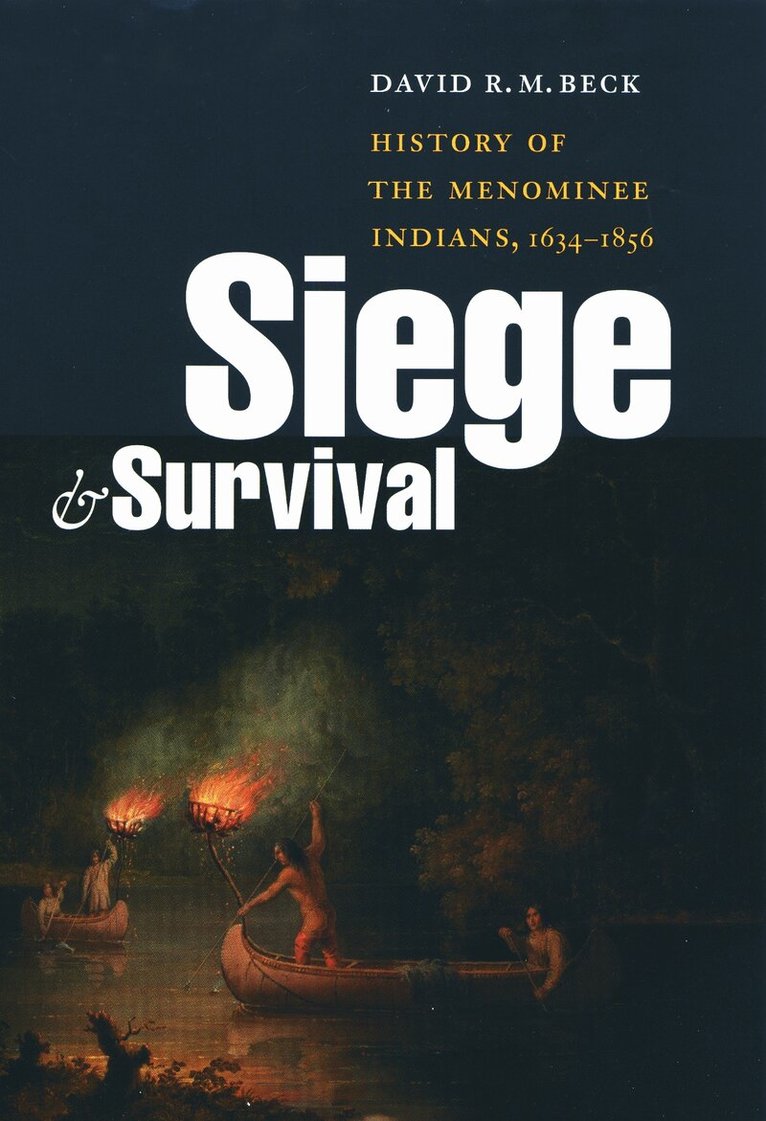
The Menominee Indians, or "wild rice people," have lived for thousands of years in the region that is now called Wisconsin and are the oldest Native American community that still lives there. But the Menominee's struggle for survival and rights to their land has been long and hard. David R. M. Beck draws on interviews with tribal members, stories recorded by earlier researchers, and exhaustive archival research to give us a full account of the Menominee's early history. Beginning in the seventeenth century, the Menominee's traditional way of life was intensely pressured by a succession of outsiders. Native nations attacked other Native nations, forcing their dislocation, and Europeans introduced the fur trade to the area, disrupting the traditional economy and way of life. In the nineteenth century Anglo-Americans poured into the Old Northwest and surrounded the Menominee; as a result the Menominee people were confined to a reservation in 1854. Beck examines these crucial early events from an ethnohistorical perspective, adding Menominee voices to the story and showing how numerous individuals and leaders in the trading era and later worked diligently to survive. The story is a complicated one: some Menominees encouraged radical cultural change, while others—as well as some non-Menominees—aided the community in its struggle to maintain traditions. Beck provides the most complete written history to date of this enduring Indian nation.
268 kr
Skickas inom 10-15 vardagar
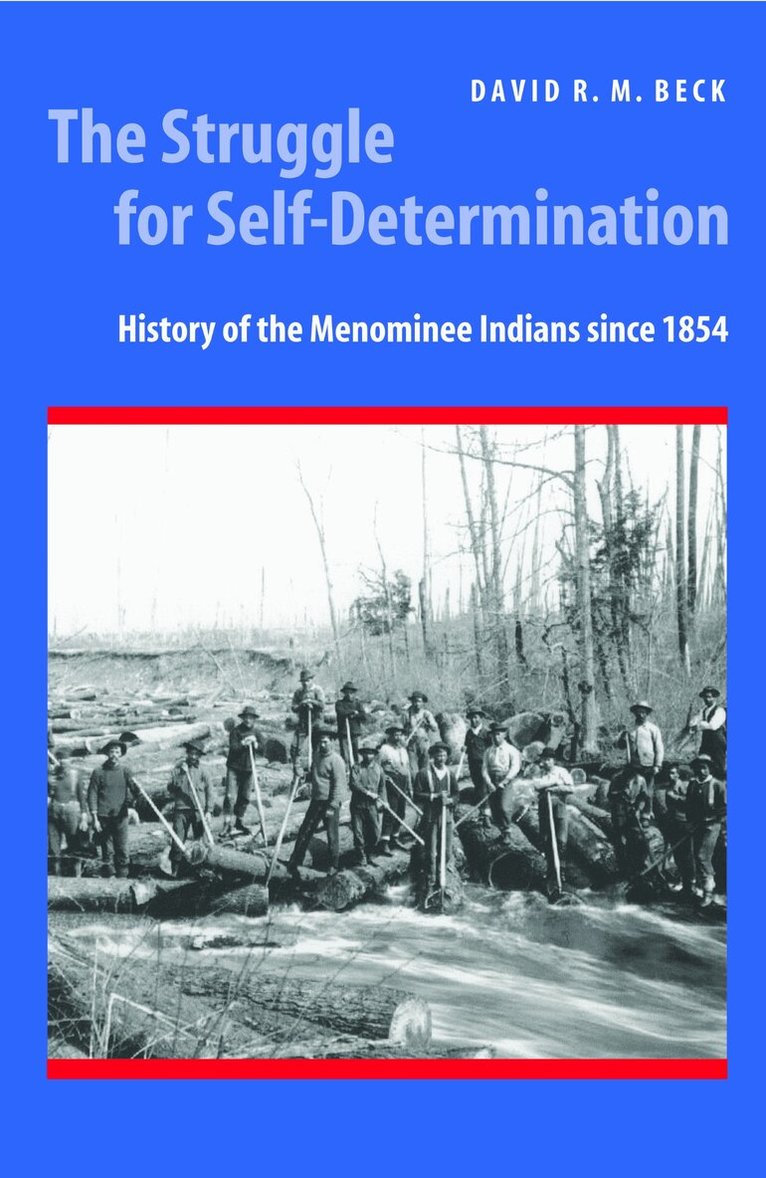
Drawing on meticulous archival research and a close working relationship with the Menominee Historic Preservation Department, David R. M. Beck picks up where his earlier work, Siege and Survival: History of the Menominee Indians, 1634–1856, ended. The Struggle for Self-Determination begins with the establishment of a small reservation in the Menominee homeland in northeastern Wisconsin at a time when the Menominee economic, political, and social structure came under aggressive assault. For the next hundred years the tribe attempted to regain control of its destiny, enduring successive policy attacks by governmental, religious, and local business sources. The Menominee's rich forests became a battleground on which they refused to cede control to the U.S. government. The struggle climaxed in the mid-twentieth century when the federal government terminated its relationship with the tribe. Throughout this time the Menominee fought to maintain their connection to their past and to regain control of their future. The lessons they learned helped them through their greatest modern disaster—termination—and enabled them to reconstruct a government and a reservation as the twentieth century drew to a close. The Struggle for Self-Determination reinterprets that story and includes the viewpoint of the Menominee in the telling of it.
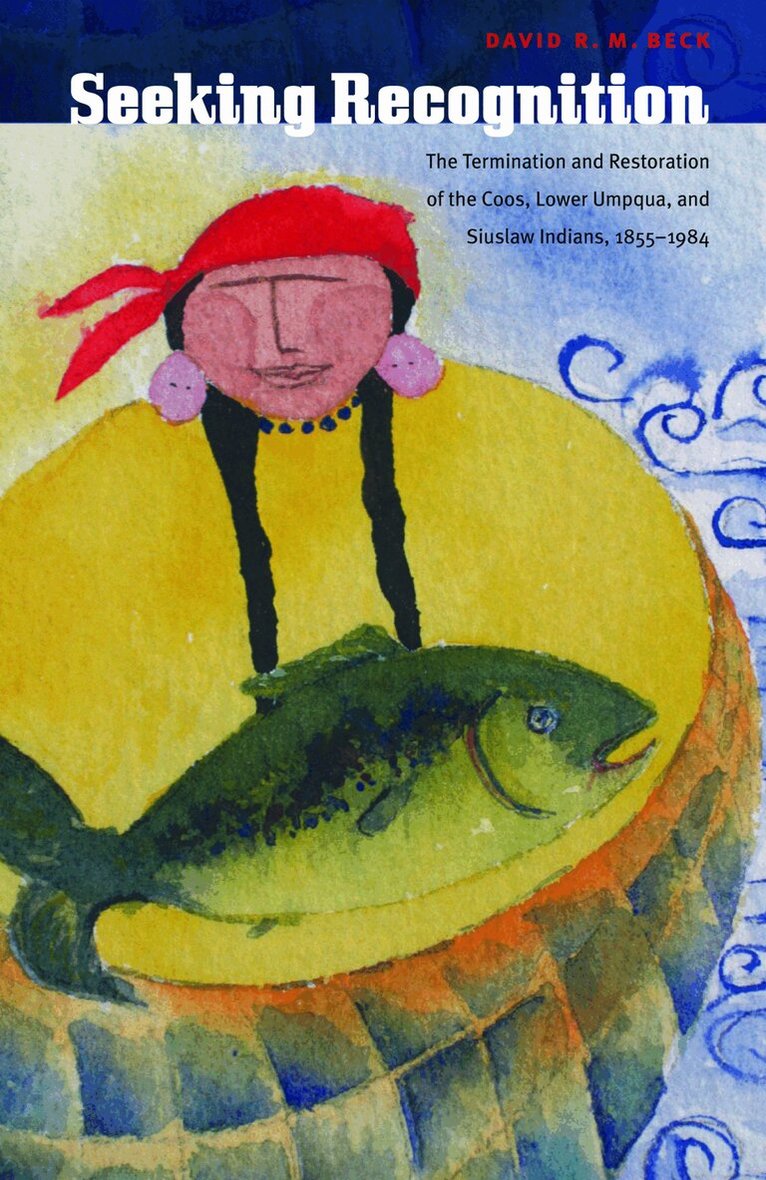
Seeking Recognition
The Termination and Restoration of the Coos, Lower Umpqua, and Siuslaw Indians, 1855-1984
Inbunden, Engelska, 2009
666 kr
Skickas inom 10-15 vardagar
In 1855 the Coos, Lower Umpqua, and Siuslaw tribes of Oregon signed the Empire Treaty with the United States, which would have provided them rights as federally acknowledged tribes with formal relationships with the U.S. government. The treaty, however, was never ratified by Congress; in fact, the federal government lost the document. Tribal leaders spent the next century battling to overcome their quasi-recognized status, receiving some federal services for Indians but no compensation for the land and resources they lost. In 1956 the U.S. government officially terminated their tribal status as part of a national effort to eliminate the government's relationship with Indian tribes. These tribes vehemently opposed termination yet were not consulted in this action. In Seeking Recognition, David R. M. Beck examines the termination and eventual restoration of the Confederated Tribes at Coos, Lower Umpqua, and Siuslaw some thirty years later, in 1984. Within this historical context, the termination and restoration of the tribes take on new significance. These actions did not take place in a historical vacuum but were directly connected with the history of the tribe's efforts to gain U.S. government recognition from the very beginning of their relations.
502 kr
Skickas inom 10-15 vardagar
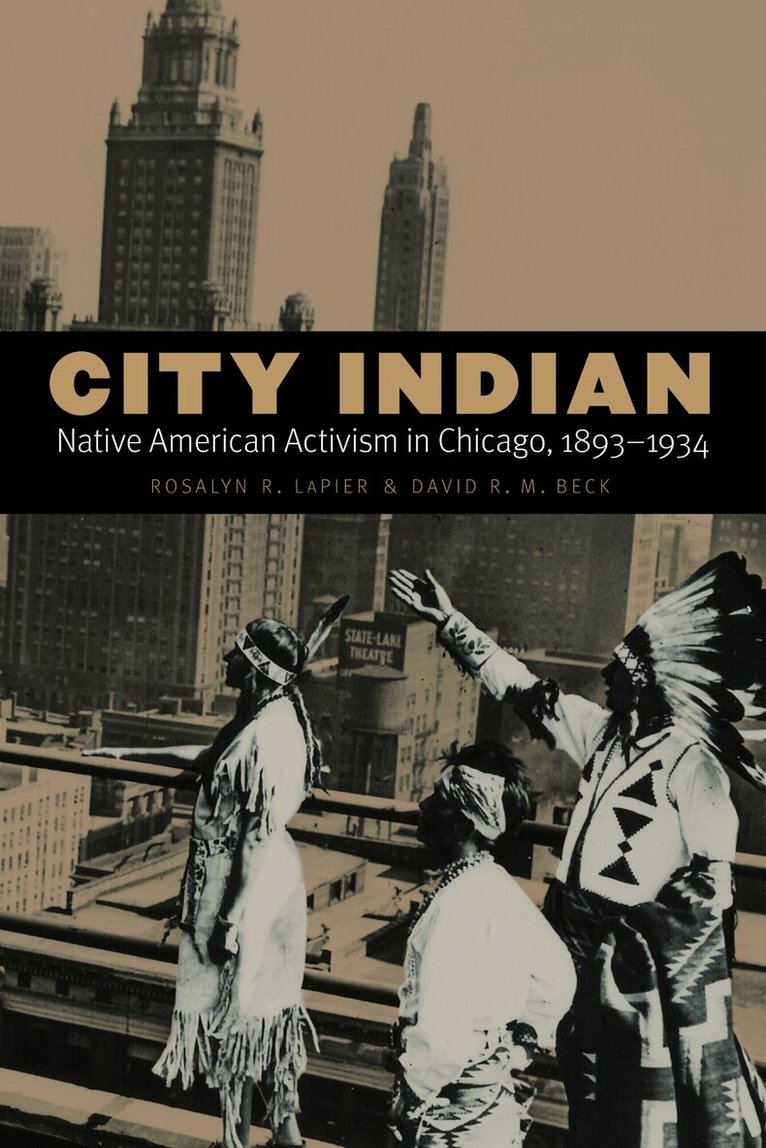
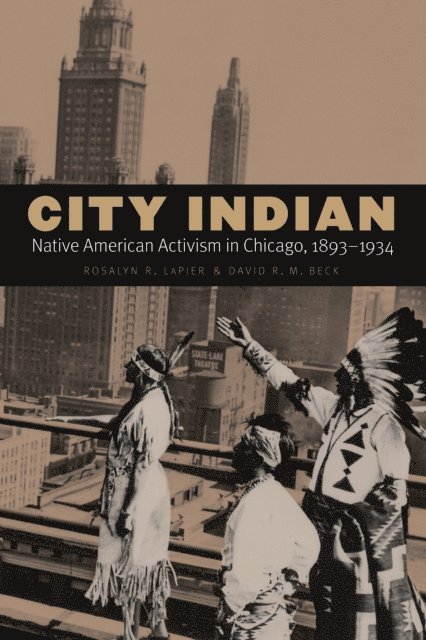
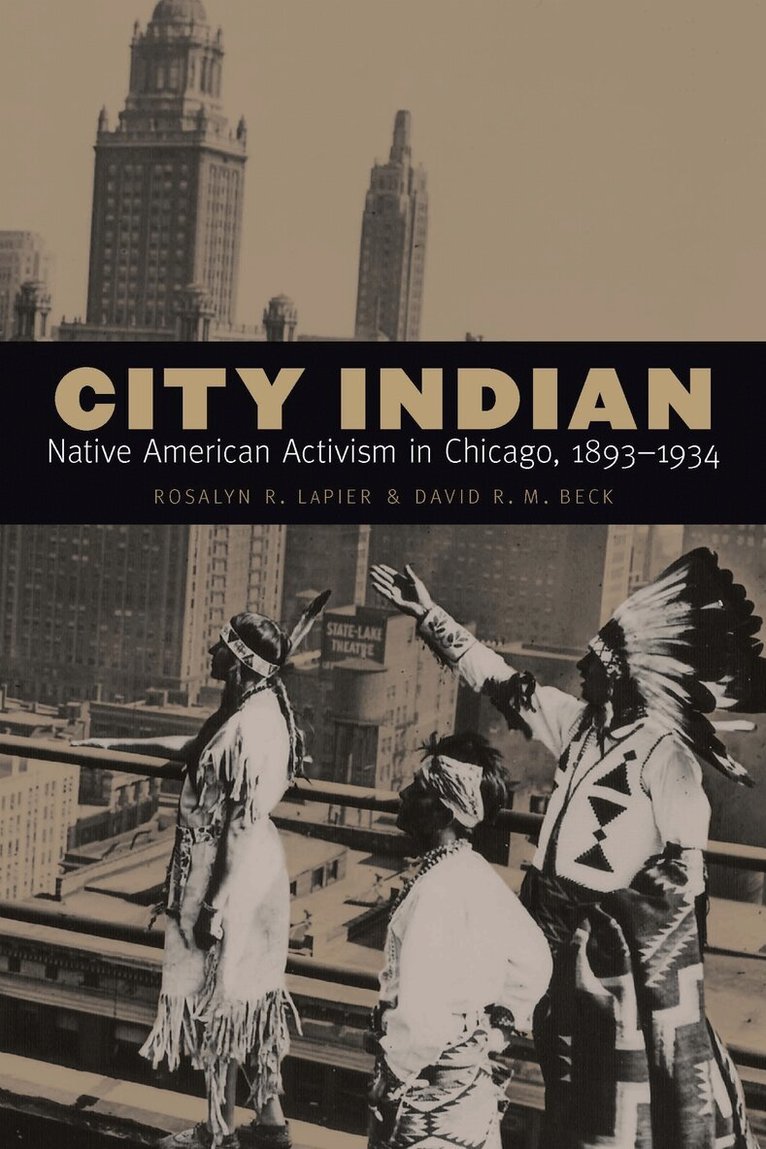
Robert G. Athearn Award from the Western History Association In City Indian Rosalyn R. LaPier and David R. M. Beck tell the engaging story of American Indians who migrated to Chicago from across America to work and emerged as activists. From the 1893 World’s Columbian Exposition to the 1934 Century of Progress Fair, American Indians in Chicago voiced their opinions about political, social, educational, and racial issues.City Indian focuses on the privileged members of the American Indian community in Chicago: doctors, nurses, business owners, teachers, and entertainers. During the Progressive Era more than any other time in the city’s history, they could be found in the company of politicians and society leaders, at Chicago’s major cultural venues and events, and in the press, speaking out. When Mayor “Big Bill” Thompson declared that Chicago public schools teach “America First,” American Indian leaders publicly challenged him to include the true story of “First Americans.”As they struggled to reshape nostalgic perceptions of American Indians, these men and women developed new associations and organizations to help each other and to ultimately create a new place to call home in a modern American city.
Unfair Labor?
American Indians and the 1893 World's Columbian Exposition in Chicago
Inbunden, Engelska, 2019
720 kr
Skickas inom 10-15 vardagar
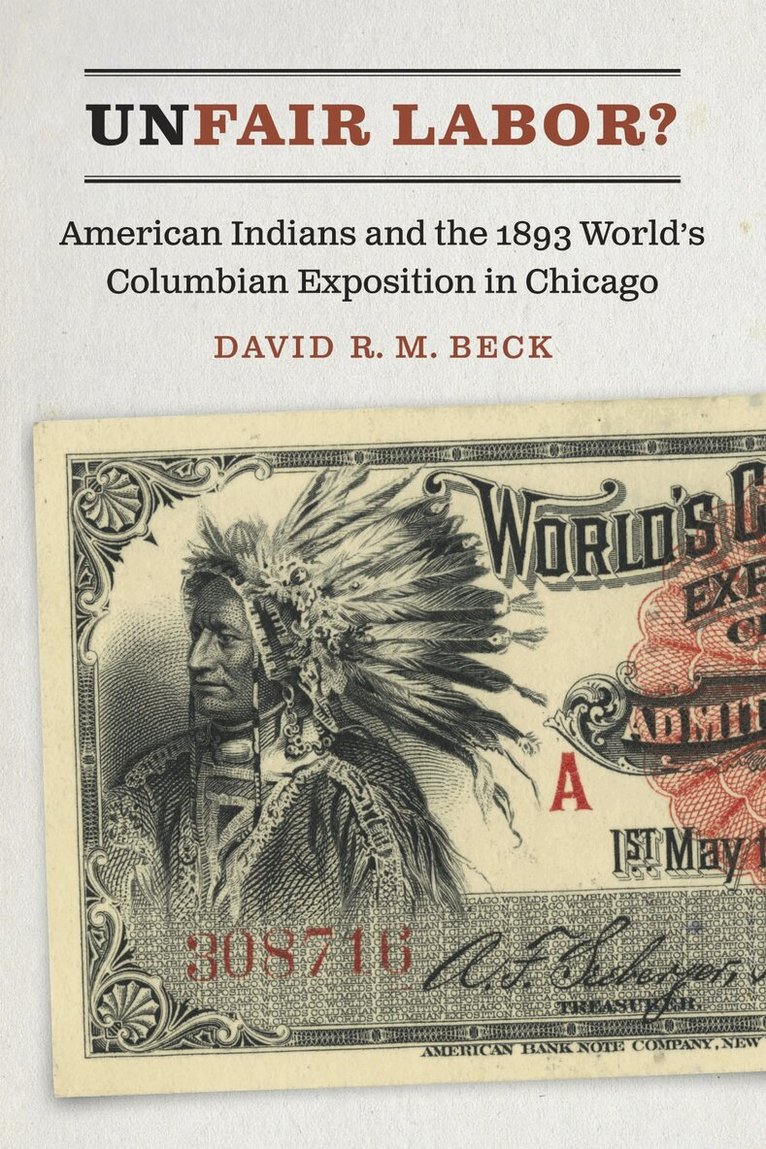
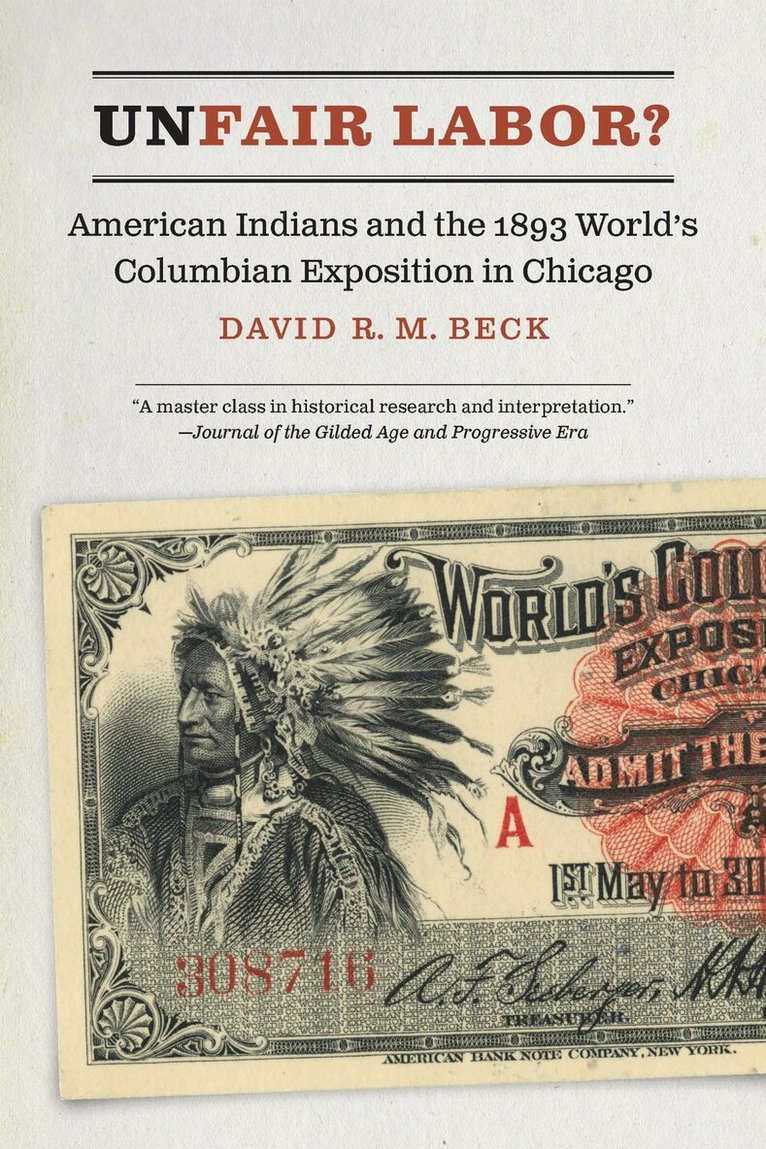
Unfair Labor? is the first book to explore the economic impact of Native Americans who participated in the 1893 World’s Columbian Exposition held in Chicago. By the late nineteenth century, tribal economic systems across the Americas were decimated, and tribal members were desperate to find ways to support their families and control their own labor. As U.S. federal policies stymied economic development in tribal communities, individual Indians found creative new ways to make a living by participating in the cash economy. Before and during the exposition, American Indians played an astonishingly broad role in both the creation and the collection of materials for the fair, and in a variety of jobs on and off the fairgrounds.While anthropologists portrayed Indians as a remembrance of the past, the hundreds of Native Americans who participated were carving out new economic pathways. Unfair Labor? breaks new ground by telling the stories of individual laborers at the fair, uncovering the roles that Indians played in the changing economic conditions of tribal peoples, and redefining their place in the American socioeconomic landscape.
322 kr
Skickas inom 10-15 vardagar
Robert G. Athearn Award from the Western History Association In City Indian Rosalyn R. LaPier and David R. M. Beck tell the engaging story of American Indians who migrated to Chicago from across America to work and emerged as activists. From the 1893 World’s Columbian Exposition to the 1934 Century of Progress Fair, American Indians in Chicago voiced their opinions about political, social, educational, and racial issues.City Indian focuses on the privileged members of the American Indian community in Chicago: doctors, nurses, business owners, teachers, and entertainers. During the Progressive Era more than any other time in the city’s history, they could be found in the company of politicians and society leaders, at Chicago’s major cultural venues and events, and in the press, speaking out. When Mayor “Big Bill” Thompson declared that Chicago public schools teach “America First,” American Indian leaders publicly challenged him to include the true story of “First Americans.”As they struggled to reshape nostalgic perceptions of American Indians, these men and women developed new associations and organizations to help each other and to ultimately create a new place to call home in a modern American city.
Unfair Labor?
American Indians and the 1893 World's Columbian Exposition in Chicago
Häftad, Engelska, 2023
377 kr
Skickas inom 10-15 vardagar
Unfair Labor? is the first book to explore the economic impact of Native Americans who participated in the 1893 World’s Columbian Exposition held in Chicago. By the late nineteenth century, tribal economic systems across the Americas were decimated, and tribal members were desperate to find ways to support their families and control their own labor. As U.S. federal policies stymied economic development in tribal communities, individual Indians found creative new ways to make a living by participating in the cash economy. Before and during the exposition, American Indians played an astonishingly broad role in both the creation and the collection of materials for the fair, and in a variety of jobs on and off the fairgrounds.While anthropologists portrayed Indians as a remembrance of the past, the hundreds of Native Americans who participated were carving out new economic pathways. Unfair Labor? breaks new ground by telling the stories of individual laborers at the fair, uncovering the roles that Indians played in the changing economic conditions of tribal peoples, and redefining their place in the American socioeconomic landscape.
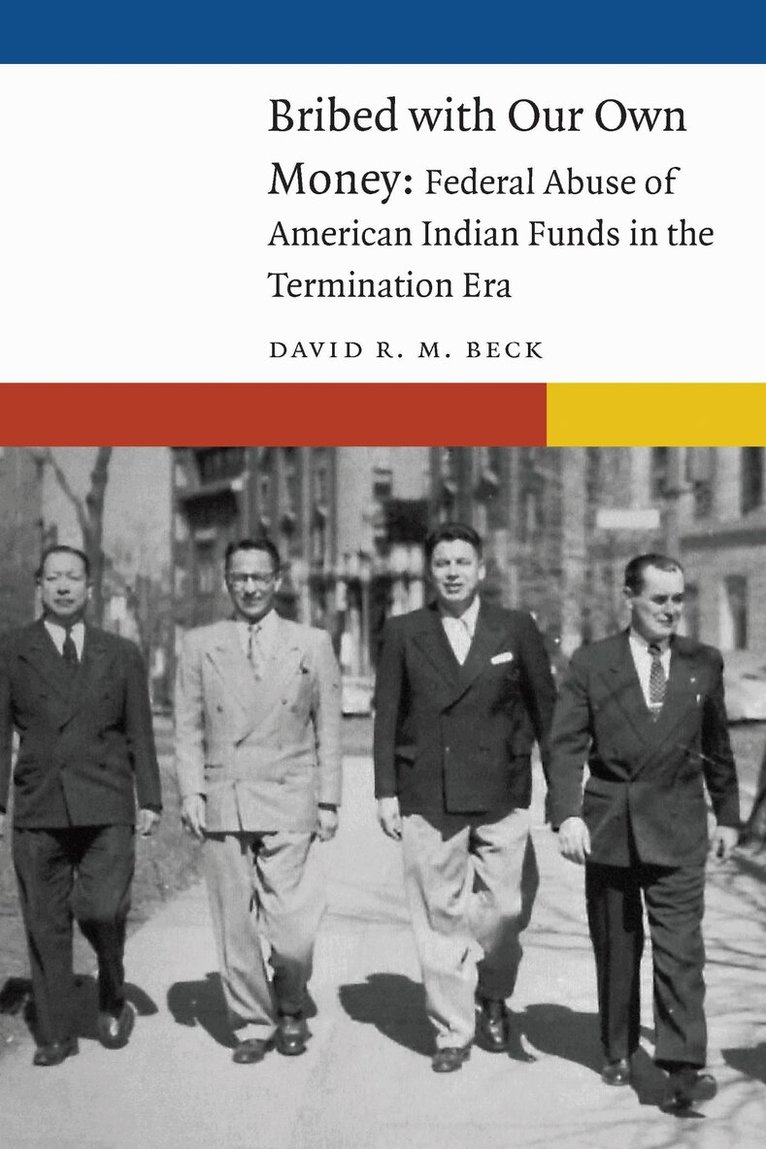
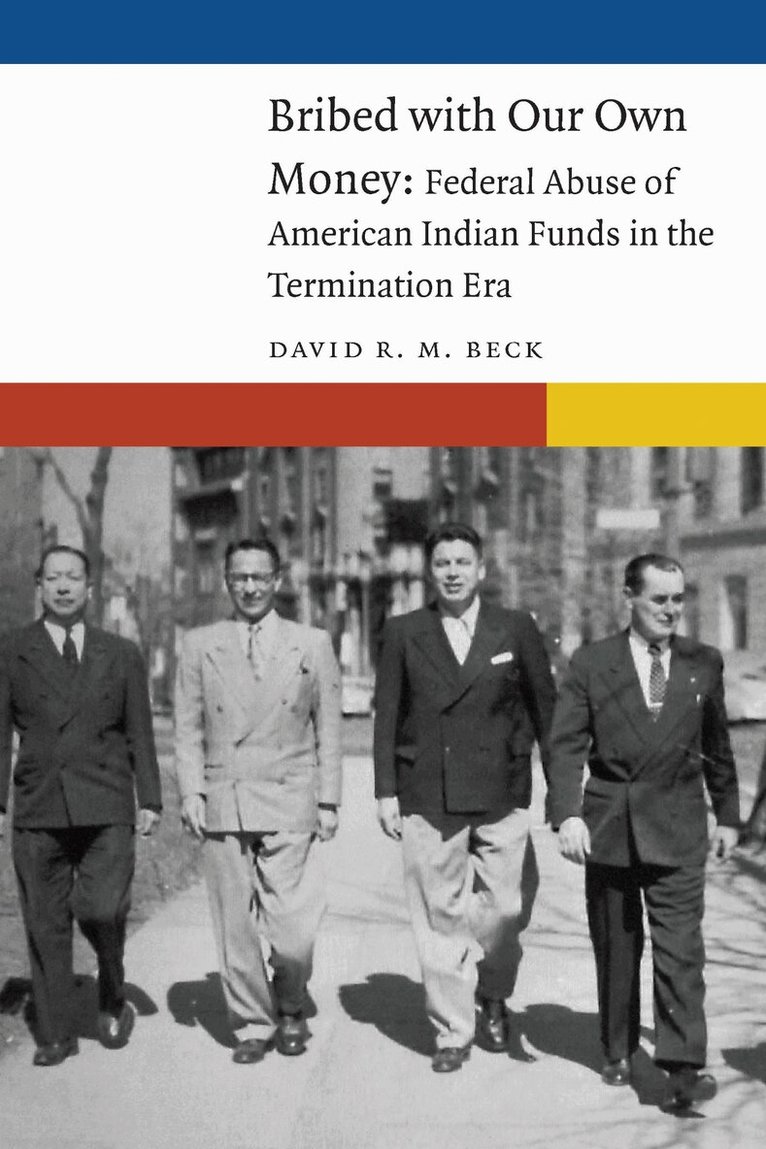
Bribed with Our Own Money
Federal Abuse of American Indian Funds in the Termination Era
Inbunden, Engelska, 2024
665 kr
Skickas inom 10-15 vardagar
In Bribed with Our Own Money David R. M. Beck analyzes the successes and failures of Indigenous nations’ opposition to federal policy in the 1950s and 1960s. Focusing on case studies from six Native nations, Beck recounts how the U.S. government coerced American Indian nations to accept termination of their political relationship with the United States by threatening to withhold money that belonged to the tribes.Termination was the continuation-and, federal officials hoped, the culmination-of more than a century of policy initiatives intended to end the political relationship between Indian tribal nations and the federal government. Termination was also intended to assimilate American Indian individuals into the country’s social and economic culture and to remove the remainder of reservation lands from federal trust. American Indians hoped to gain greater opportunities of self-governance and self-determination, but they wanted to do so under the protection of the federal trust relationship.Bribed with Our Own Money analyzes both successful and unsuccessful efforts of Native nations to oppose this policy within the larger context of long-standing federal abuse of tribal funds. It is the first book to view federal termination efforts grounded in bribery for what they were: a form of coercion.