David R. Shearer – författare
Visar alla böcker från författaren David R. Shearer. Handla med fri frakt och snabb leverans.
11 produkter
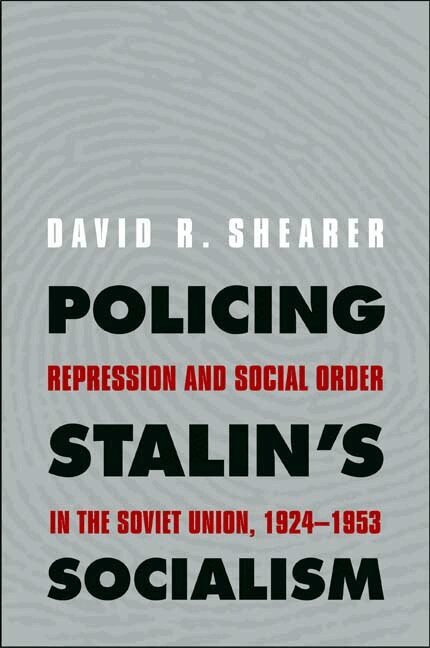
Policing Stalin's Socialism
Repression and Social Order in the Soviet Union, 1924-1953
Häftad, 2009
789 kr
Lägg i varukorg
Policing Stalin’s Socialism is one of the first books to emphasize the importance of social order repression by Stalin’s Soviet regime in contrast to the traditional emphasis of historians on political repression. Based on extensive examination of new archival materials, David Shearer finds that …
Industry, State, and Society in Stalin's Russia, 1926–1934
Inbunden, 1997
1694 kr
Lägg i varukorg
In his reexamination of the origins of the Stalinist state during the formative period of rapid industrialization in the late 1920s and early 1930s, David R. Shearer argues that a centralized state-controlled economic system was the consciously conceived political creation of Stalinist leaders …
Industry, State, and Society in Stalin's Russia, 1926–1934
Häftad, 1997
591 kr
Lägg i varukorg
In his reexamination of the origins of the Stalinist state during the formative period of rapid industrialization in the late 1920s and early 1930s, David R. Shearer argues that a centralized state-controlled economic system was the consciously conceived political creation of Stalinist leaders …
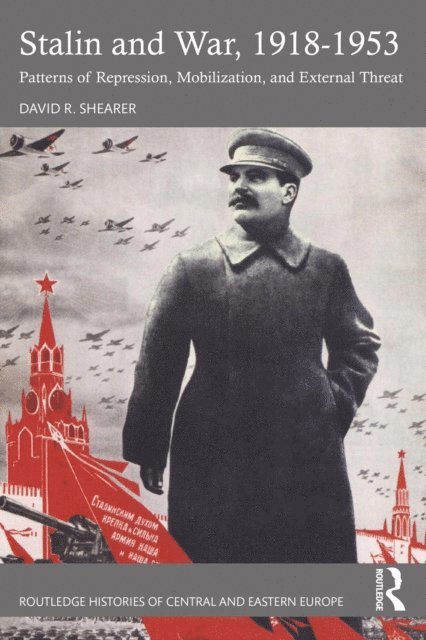
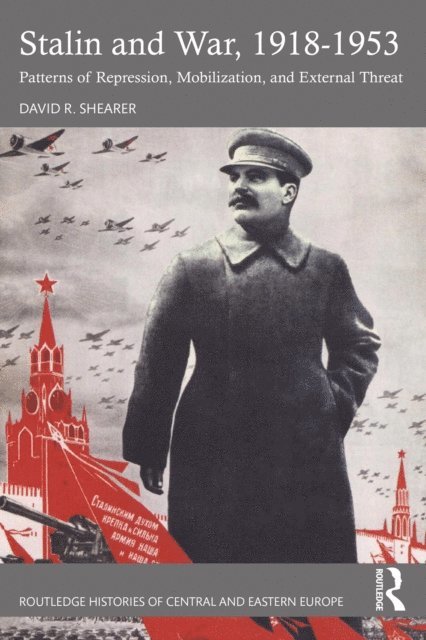
Stalin and War, 1918-1953
Patterns of Repression, Mobilization, and External Threat
E-bok, 2023
746 kr
Lägg i varukorg
Stalin and War, 1918-1953 is the first book to examine the patterns of radicalized internal violence that characterized the Stalinist regime across the whole of the dictator’s rule, and it is one of the only works to connect patterns of internal violence to the dictator’s perceptions of war and …
Stalin and War, 1918-1953
Patterns of Repression, Mobilization, and External Threat
E-bok, 2023
768 kr
Lägg i varukorg
Stalin and War, 1918-1953 is the first book to examine the patterns of radicalized internal violence that characterized the Stalinist regime across the whole of the dictator’s rule, and it is one of the only works to connect patterns of internal violence to the dictator’s perceptions of war and …
Stalin and War, 1918-1953
Patterns of Repression, Mobilization, and External Threat
Inbunden, 2023
2585 kr
Lägg i varukorg
Stalin and War, 1918-1953 is the first book to examine the patterns of radicalized internal violence that characterized the Stalinist regime across the whole of the dictator’s rule, and it is one of the only works to connect patterns of internal violence to the dictator’s perceptions of war and …
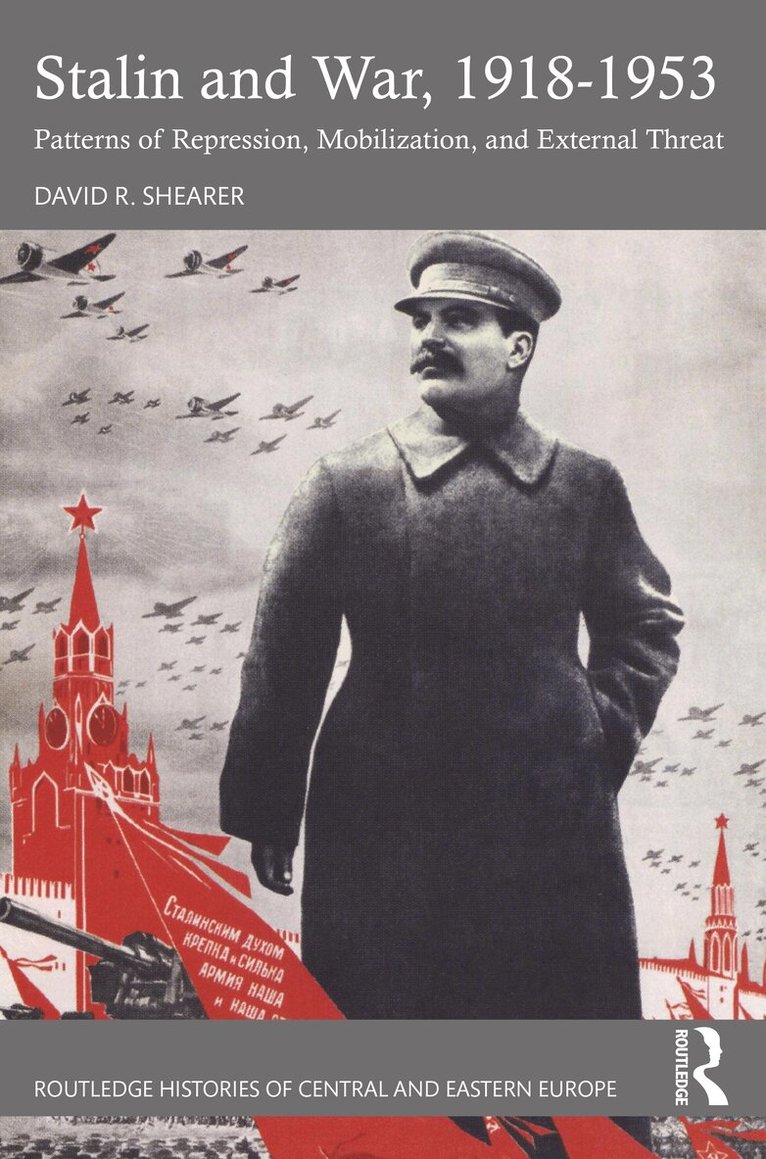
Stalin and War, 1918-1953
Patterns of Repression, Mobilization, and External Threat
Häftad, 2023
667 kr
Lägg i varukorg
Stalin and War, 1918-1953 is the first book to examine the patterns of radicalized internal violence that characterized the Stalinist regime across the whole of the dictator’s rule, and it is one of the only works to connect patterns of internal violence to the dictator’s perceptions of war and …
Industry, State, and Society in Stalin’s Russia, 1926–1934
Inbunden, 2025
487 kr
Lägg i varukorg
В своей книге Дэвид Ширер пересматривает истоки сталинской государственности в период быстрой индустриализации в конце 1920-х — начале 1930-х годов. Автор утверждает, что централизованная государственная экономическая система была сознательно задуманным политическим творением советских лидеров, а …
Industry, State, and Society in Stalin’s Russia, 1926–1934
Häftad, 2025
373 kr
Lägg i varukorg
В своей книге Дэвид Ширер пересматривает истоки сталинской государственности в период быстрой индустриализации в конце 1920-х — начале 1930-х годов. Автор утверждает, что централизованная государственная экономическая система была сознательно задуманным политическим творением советских лидеров, а …
Industry, State, and Society in Stalin's Russia, 1926-1934
E-bok, 2025
693 kr
Lägg i varukorg
1920- 1930- . , , . 1928 1929 , , .
Stalin and the Lubianka
A Documentary History of the Political Police and Security Organs in the Soviet Union, 1922–1953
Av David R. Shearer, Vladimir Khaustov
Inbunden, 2015
880 kr
Tillfälligt slut
This fascinating documentary history is the first English-language exploration of Joseph Stalin's relationship with, and manipulation of, the Soviet political police. The story follows the changing functions, organization, and fortunes of the political police and security organs from the early …