David S. Cecelski – författare
Visar alla böcker från författaren . Handla med fri frakt och snabb leverans.
16 produkter
16 produkter
E-bok
Engelska, 2012356 kr
Läs direkt efter köp
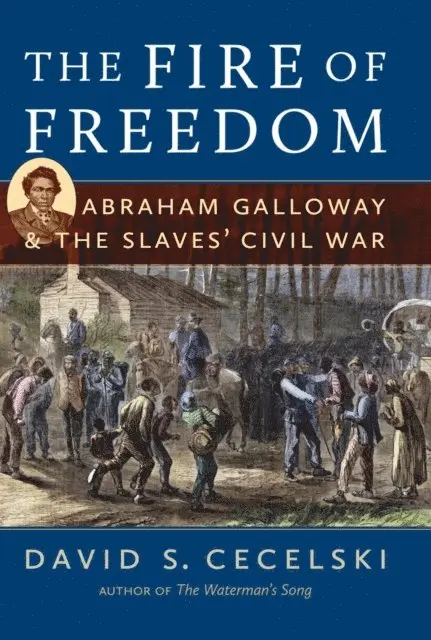
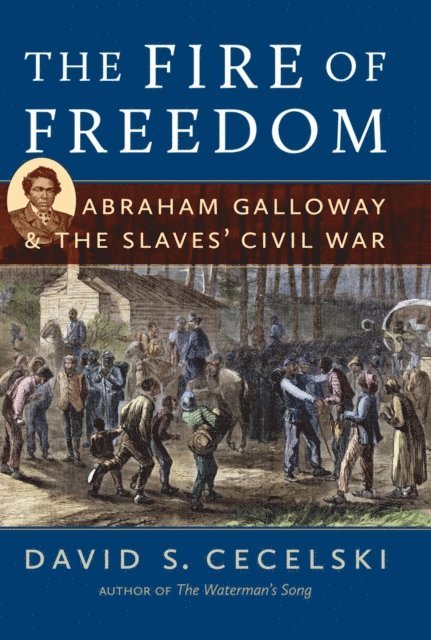
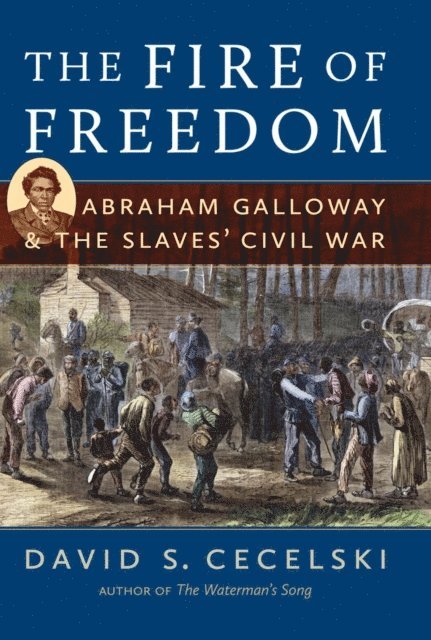
Abraham H. Galloway (1837-1870) was a fiery young slave rebel, radical abolitionist, and Union spy who rose out of bondage to become one of the most significant and stirring black leaders in the South during the Civil War. Throughout his brief, mercurial life, Galloway fought against slavery and injustice. He risked his life behind enemy lines, recruited black soldiers for the North, and fought racism in the Union army''s ranks. He also stood at the forefront of an African American political movement that flourished in the Union-occupied parts of North Carolina, even leading a historic delegation of black southerners to the White House to meet with President Lincoln and to demand the full rights of citizenship. He later became one of the first black men elected to the North Carolina legislature. Long hidden from history, Galloway''s story reveals a war unfamiliar to most of us. As David Cecelski writes, "Galloway''s Civil War was a slave insurgency, a war of liberation that was the culmination of generations of perseverance and faith." This riveting portrait illuminates Galloway''s life and deepens our insight into the Civil War and Reconstruction as experienced by African Americans in the South.
Häftad, Engelska, 1994
475 kr
Skickas inom 10-15 vardagar
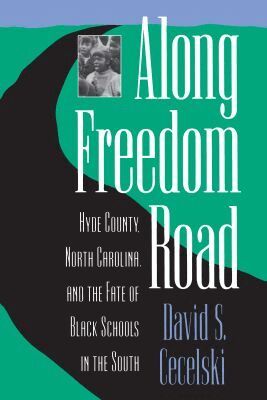
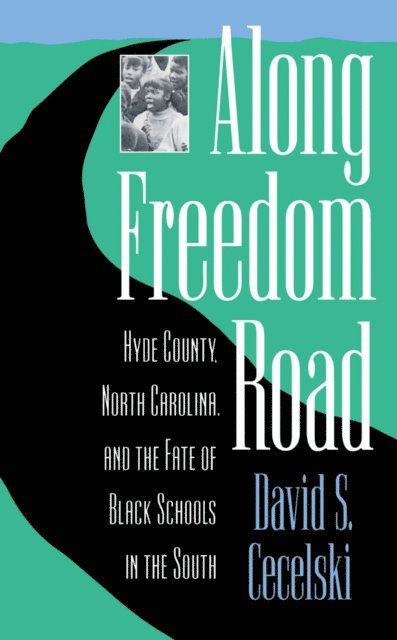
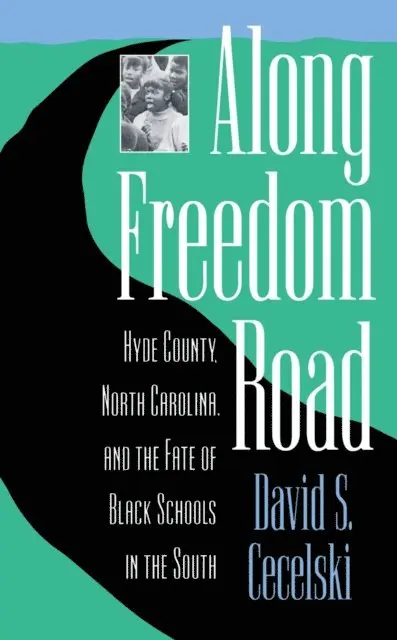
David Cecelski chronicles one of the most sustained and successful protests of the civil rights movement--the 1968-69 school boycott in Hyde County, North Carolina. For an entire year, the county's black citizens refused to send their children to school in protest of a desegregation plan that required closing two historically black schools in their remote coastal community. Parents and students held nonviolent protests daily for five months, marched twice on the state capitol in Raleigh, and drove the Ku Klux Klan out of the county in a massive gunfight. The threatened closing of Hyde County's black schools collided with a rich and vibrant educational heritage that had helped to sustain the black community since Reconstruction. As other southern school boards routinely closed black schools and displaced their educational leaders, Hyde County blacks began to fear that school desegregation was undermining--rather than enhancing--this legacy. This book, then, is the story of one county's extraordinary struggle for civil rights, but at the same time it explores the fight for civil rights in all of eastern North Carolina and the dismantling of black education throughout the South. |David Cecelski chronicles one of the most sustained and successful protests of the civil rights movement--the 1968-69 school boycott in Hyde County, North Carolina. For an entire year, the county's black citizens refused to send their children to school in protest of a desegregation plan that required closing two historically black schools in their remote coastal community. Hyde County blacks feared that school desegregation was undermining--rather than enhancing--the rich and vibrant educational heritage that had helped to sustain the black community since Reconstruction. This book is the story of one county's extraordinary struggle for civil rights, but at the same time it explores the fight for civil rights in all of eastern North Carolina and the dismantling of black education throughout the South.
Häftad, Engelska, 2001
475 kr
Skickas inom 10-15 vardagar
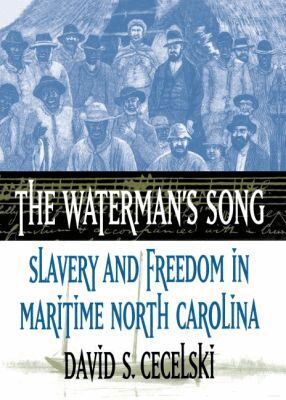
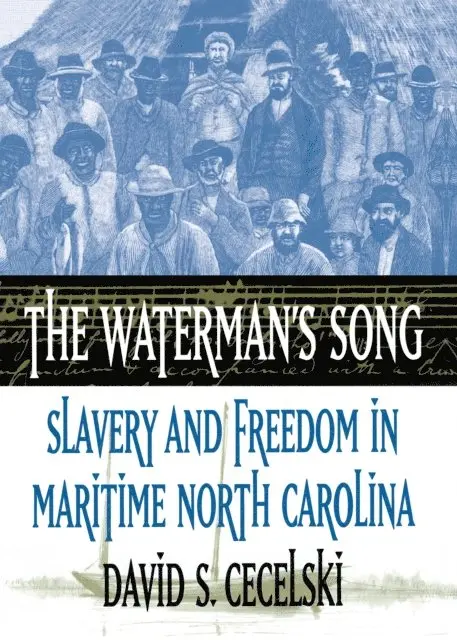
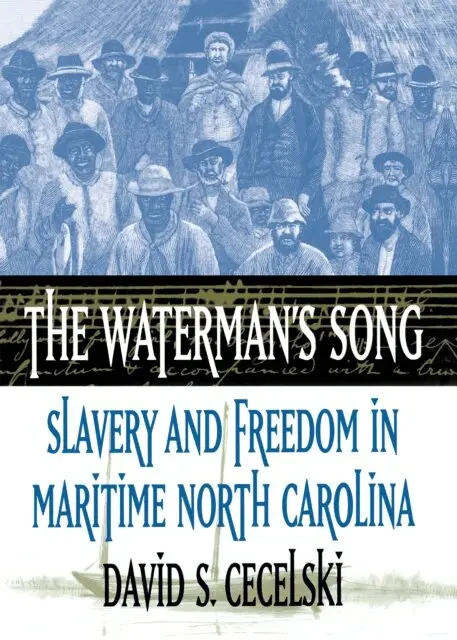
The untold story of the black maritime world; The first major study of slavery in the maritime South, The Waterman's Song chronicles the world of slave and free black fishermen, pilots, rivermen, sailors, ferrymen, and other laborers who, from the colonial era through Reconstruction, plied the vast inland waters of North Carolina from the Outer Banks to the upper reaches of tidewater rivers. Demonstrating the vitality and significance of this local African American maritime culture, David Cecelski also reveals its connections to the Afro-Caribbean, the relatively egalitarian work culture of seafaring men who visited nearby ports, and the revolutionary political tides that coursed throughout the black Atlantic. Black maritime laborers played an essential role in local abolitionist activity, slave insurrections, and other antislavery activism. They also boatlifted thousands of slaves to freedom during the Civil War. But most important, Cecelski says, they carried an insurgent, democratic vision born in the maritime districts of the slave South into the political maelstrom of the Civil War and Reconstruction.
E-bok
Engelska, 2000518 kr
Läs direkt efter köp
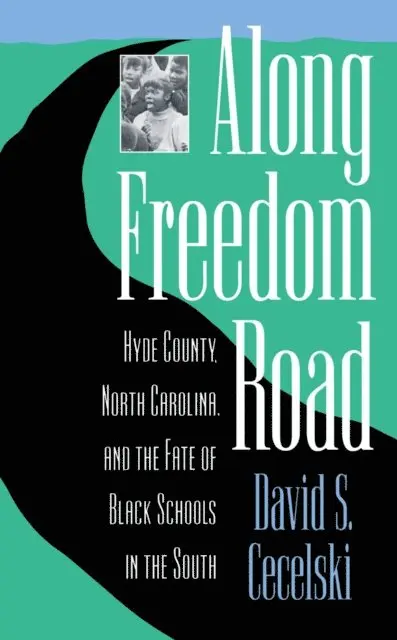
David Cecelski chronicles one of the most sustained and successful protests of the civil rights movement — the 1968–69 school boycott in Hyde County, North Carolina. For an entire year, the county’s black citizens refused to send their children to school in protest of a desegregation plan that required closing two historically black schools in their remote coastal community. Parents and students held nonviolent protests daily for five months, marched twice on the state capitol in Raleigh, and drove the Ku Klux Klan out of the county in a massive gunfight.The threatened closing of Hyde County’s black schools collided with a rich and vibrant educational heritage that had helped to sustain the black community since Reconstruction. As other southern school boards routinely closed black schools and displaced their educational leaders, Hyde County blacks began to fear that school desegregation was undermining — rather than enhancing — this legacy. This book, then, is the story of one county’s extraordinary struggle for civil rights, but at the same time it explores the fight for civil rights in all of eastern North Carolina and the dismantling of black education throughout the South.
E-bok
Engelska, 2000518 kr
Läs direkt efter köp
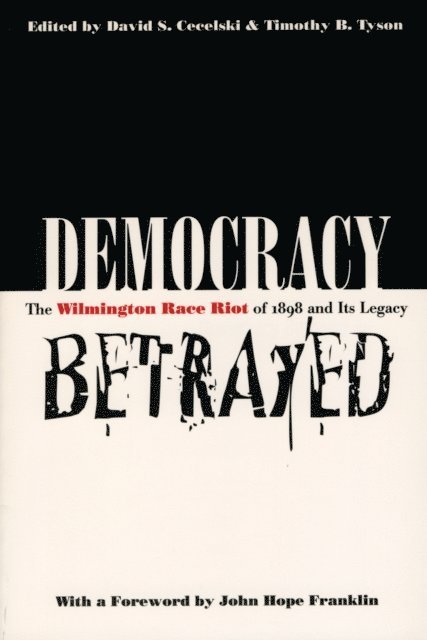
At the close of the nineteenth century, the Democratic Party in North Carolina engineered a white supremacy revolution. Frustrated by decades of African American self-assertion and threatened by an interracial coalition advocating democratic reforms, white conservatives used violence, demagoguery, and fraud to seize political power and disenfranchise black citizens. The most notorious episode of the campaign was the Wilmington “race riot” of 1898, which claimed the lives of many black residents and rolled back decades of progress for African Americans in the state.Published on the centennial of the Wilmington race riot, Democracy Betrayed draws together the best new scholarship on the events of 1898 and their aftermath. Contributors to this important book hope to draw public attention to the tragedy, to honor its victims, and to bring a clear and timely historical voice to the debate over its legacy.The contributors are David S. Cecelski, William H. Chafe, Laura F. Edwards, Raymond Gavins, Glenda E. Gilmore, John Haley, Michael Honey, Stephen Kantrowitz, H. Leon Prather Sr., Timothy B. Tyson, LeeAnn Whites, and Richard Yarborough.
E-bok
Engelska, 2012520 kr
Läs direkt efter köp
The first major study of slavery in the maritime South, The Waterman’s Song chronicles the world of slave and free black fishermen, pilots, rivermen, sailors, ferrymen, and other laborers who, from the colonial era through Reconstruction, plied the vast inland waters of North Carolina from the Outer Banks to the upper reaches of tidewater rivers. Demonstrating the vitality and significance of this local African American maritime culture, David Cecelski also reveals its connections to the Afro-Caribbean, the relatively egalitarian work culture of seafaring men who visited nearby ports, and the revolutionary political tides that coursed throughout the black Atlantic.Black maritime laborers played an essential role in local abolitionist activity, slave insurrections, and other antislavery activism. They also boatlifted thousands of slaves to freedom during the Civil War. But most important, Cecelski says, they carried an insurgent, democratic vision born in the maritime districts of the slave South into the political maelstrom of the Civil War and Reconstruction.
Häftad, Engelska, 2024
163 kr
Skickas inom 10-15 vardagar
E-bok
PDF, Engelska, 2012801 kr
Läs direkt efter köp
Abraham H. Galloway (1837-1870) was a fiery young slave rebel, radical abolitionist, and Union spy who rose out of bondage to become one of the most significant and stirring black leaders in the South during the Civil War. Throughout his brief, mercurial life, Galloway fought against slavery and injustice. He risked his life behind enemy lines, recruited black soldiers for the North, and fought racism in the Union army''s ranks. He also stood at the forefront of an African American political movement that flourished in the Union-occupied parts of North Carolina, even leading a historic delegation of black southerners to the White House to meet with President Lincoln and to demand the full rights of citizenship. He later became one of the first black men elected to the North Carolina legislature. Long hidden from history, Galloway''s story reveals a war unfamiliar to most of us. As David Cecelski writes, "Galloway''s Civil War was a slave insurgency, a war of liberation that was the culmination of generations of perseverance and faith." This riveting portrait illuminates Galloway''s life and deepens our insight into the Civil War and Reconstruction as experienced by African Americans in the South.
E-bok
PDF, Engelska, 20121 554 kr
Läs direkt efter köp
The first major study of slavery in the maritime South, The Waterman''s Song chronicles the world of slave and free black fishermen, pilots, rivermen, sailors, ferrymen, and other laborers who, from the colonial era through Reconstruction, plied the vast inland waters of North Carolina from the Outer Banks to the upper reaches of tidewater rivers. Demonstrating the vitality and significance of this local African American maritime culture, David Cecelski also reveals its connections to the Afro-Caribbean, the relatively egalitarian work culture of seafaring men who visited nearby ports, and the revolutionary political tides that coursed throughout the black Atlantic. Black maritime laborers played an essential role in local abolitionist activity, slave insurrections, and other antislavery activism. They also boatlifted thousands of slaves to freedom during the Civil War. But most important, Cecelski says, they carried an insurgent, democratic vision born in the maritime districts of the slave South into the political maelstrom of the Civil War and Reconstruction.
E-bok
PDF, Engelska, 2014777 kr
Läs direkt efter köp
David Cecelski chronicles one of the most sustained and successful protests of the civil rights movement--the 1968-69 school boycott in Hyde County, North Carolina. For an entire year, the county''s black citizens refused to send their children to school in protest of a desegregation plan that required closing two historically black schools in their remote coastal community. Parents and students held nonviolent protests daily for five months, marched twice on the state capitol in Raleigh, and drove the Ku Klux Klan out of the county in a massive gunfight. The threatened closing of Hyde County''s black schools collided with a rich and vibrant educational heritage that had helped to sustain the black community since Reconstruction. As other southern school boards routinely closed black schools and displaced their educational leaders, Hyde County blacks began to fear that school desegregation was undermining--rather than enhancing--this legacy. This book, then, is the story of one county''s extraordinary struggle for civil rights, but at the same time it explores the fight for civil rights in all of eastern North Carolina and the dismantling of black education throughout the South.
Häftad, Engelska, 2015
447 kr
Skickas inom 10-15 vardagar
Abraham H. Galloway (1837-1870) was a fiery young slave rebel, radical abolitionist, and Union spy who rose out of bondage to become one of the most significant and stirring black leaders in the South during the Civil War. Throughout his brief, mercurial life, Galloway fought against slavery and injustice. He risked his life behind enemy lines, recruited black soldiers for the North, and fought racism in the Union army's ranks. He also stood at the forefront of an African American political movement that flourished in the Union-occupied parts of North Carolina, even leading a historic delegation of black southerners to the White House to meet with President Lincoln and to demand the full rights of citizenship. He later became one of the first black men elected to the North Carolina legislature. Long hidden from history, Galloway's story reveals a war unfamiliar to most of us. As David Cecelski writes, ""Galloway's Civil War was a slave insurgency, a war of liberation that was the culmination of generations of perseverance and faith."" This riveting portrait illuminates Galloway's life and deepens our insight into the Civil War and Reconstruction as experienced by African Americans in the South.
E-bok
PDF, Engelska, 2012356 kr
Läs direkt efter köp
Abraham H. Galloway (1837-1870) was a fiery young slave rebel, radical abolitionist, and Union spy who rose out of bondage to become one of the most significant and stirring black leaders in the South during the Civil War. Throughout his brief, mercurial life, Galloway fought against slavery and injustice. He risked his life behind enemy lines, recruited black soldiers for the North, and fought racism in the Union army''s ranks. He also stood at the forefront of an African American political movement that flourished in the Union-occupied parts of North Carolina, even leading a historic delegation of black southerners to the White House to meet with President Lincoln and to demand the full rights of citizenship. He later became one of the first black men elected to the North Carolina legislature. Long hidden from history, Galloway''s story reveals a war unfamiliar to most of us. As David Cecelski writes, "Galloway''s Civil War was a slave insurgency, a war of liberation that was the culmination of generations of perseverance and faith." This riveting portrait illuminates Galloway''s life and deepens our insight into the Civil War and Reconstruction as experienced by African Americans in the South.
E-bok
PDF, Engelska, 2000520 kr
Läs direkt efter köp
David Cecelski chronicles one of the most sustained and successful protests of the civil rights movement — the 1968–69 school boycott in Hyde County, North Carolina. For an entire year, the county’s black citizens refused to send their children to school in protest of a desegregation plan that required closing two historically black schools in their remote coastal community. Parents and students held nonviolent protests daily for five months, marched twice on the state capitol in Raleigh, and drove the Ku Klux Klan out of the county in a massive gunfight.The threatened closing of Hyde County’s black schools collided with a rich and vibrant educational heritage that had helped to sustain the black community since Reconstruction. As other southern school boards routinely closed black schools and displaced their educational leaders, Hyde County blacks began to fear that school desegregation was undermining — rather than enhancing — this legacy. This book, then, is the story of one county’s extraordinary struggle for civil rights, but at the same time it explores the fight for civil rights in all of eastern North Carolina and the dismantling of black education throughout the South.
E-bok
PDF, Engelska, 2012518 kr
Läs direkt efter köp
The first major study of slavery in the maritime South, The Waterman’s Song chronicles the world of slave and free black fishermen, pilots, rivermen, sailors, ferrymen, and other laborers who, from the colonial era through Reconstruction, plied the vast inland waters of North Carolina from the Outer Banks to the upper reaches of tidewater rivers. Demonstrating the vitality and significance of this local African American maritime culture, David Cecelski also reveals its connections to the Afro-Caribbean, the relatively egalitarian work culture of seafaring men who visited nearby ports, and the revolutionary political tides that coursed throughout the black Atlantic.Black maritime laborers played an essential role in local abolitionist activity, slave insurrections, and other antislavery activism. They also boatlifted thousands of slaves to freedom during the Civil War. But most important, Cecelski says, they carried an insurgent, democratic vision born in the maritime districts of the slave South into the political maelstrom of the Civil War and Reconstruction.
E-bok
PDF, Engelska, 20121 001 kr
Läs direkt efter köp
Abraham H. Galloway (1837-1870) was a fiery young slave rebel, radical abolitionist, and Union spy who rose out of bondage to become one of the most significant and stirring black leaders in the South during the Civil War. Throughout his brief, mercurial life, Galloway fought against slavery and injustice. He risked his life behind enemy lines, recruited black soldiers for the North, and fought racism in the Union army''s ranks. He also stood at the forefront of an African American political movement that flourished in the Union-occupied parts of North Carolina, even leading a historic delegation of black southerners to the White House to meet with President Lincoln and to demand the full rights of citizenship. He later became one of the first black men elected to the North Carolina legislature. Long hidden from history, Galloway''s story reveals a war unfamiliar to most of us. As David Cecelski writes, "Galloway''s Civil War was a slave insurgency, a war of liberation that was the culmination of generations of perseverance and faith." This riveting portrait illuminates Galloway''s life and deepens our insight into the Civil War and Reconstruction as experienced by African Americans in the South.
E-bok
PDF, Engelska, 20121 986 kr
Läs direkt efter köp
The first major study of slavery in the maritime South, The Waterman’s Song chronicles the world of slave and free black fishermen, pilots, rivermen, sailors, ferrymen, and other laborers who, from the colonial era through Reconstruction, plied the vast inland waters of North Carolina from the Outer Banks to the upper reaches of tidewater rivers. Demonstrating the vitality and significance of this local African American maritime culture, David Cecelski also reveals its connections to the Afro-Caribbean, the relatively egalitarian work culture of seafaring men who visited nearby ports, and the revolutionary political tides that coursed throughout the black Atlantic.Black maritime laborers played an essential role in local abolitionist activity, slave insurrections, and other antislavery activism. They also boatlifted thousands of slaves to freedom during the Civil War. But most important, Cecelski says, they carried an insurgent, democratic vision born in the maritime districts of the slave South into the political maelstrom of the Civil War and Reconstruction.