David Sadker – författare
Visar alla böcker från författaren David Sadker. Handla med fri frakt och snabb leverans.
5 produkter
5 produkter
Häftad, Engelska, 2006
735 kr
Skickas inom 10-15 vardagar
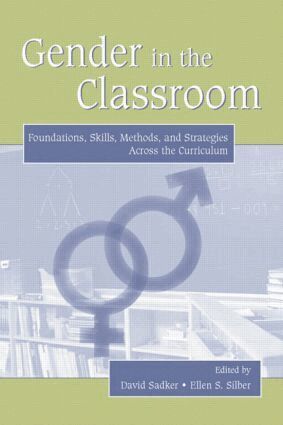
What’s missing from your teacher education program? According to research studies, one glaring omission is gender. Tomorrow’s teachers receive little instruction or training on the tremendous impact of gender in the classroom. Just how does gender influence teaching, the curriculum, and the lives of teachers and students in the classroom? This unique book has been designed to answer these questions. Gender in the Classroom is intended to be used across the teacher education curriculum--from subject-specific methods courses to foundations, from educational psychology to student teaching. It can be adopted for an entire program, or several instructors can adopt it jointly, or a single instructor can adopt it as one of several or a supplementary text for a course. A comprehensive Instructor’s Manual provides information and materials for teacher educators who adopt the text. Each chapter offers practical information and skills about gender and sex differences, curriculum, and specific teaching methods. Written in a lively style, the text features a number of interactive activities to engage and instruct the reader. The chapters follow a common format designed to invite student interest and action. Each is built around Essential Equity Questions that focus on pertinent gender-related questions and issues in a specific subject area:*the role of women in education--intersections of the teaching profession, feminism, and teachers as activists for social change;*gender differences in cognitive ability, attitudes, and behavior;*how to teach and implement Title IX;*how to observe classrooms to “see” gender bias;*social studies education;*English/language arts methods;*science education; and*mathematics and technology education. Interactions in each chapter engage students in activities to promote understanding. Each Interaction is linked to one or more specific INTASC standards. In the last chapter, the emphasis is on applying many of the skills learned previously--it gives student teachers and their supervisors several tools they can use for analyzing classroom teaching and detecting gender bias. This chapter also includes a culminating activity for identifying and correcting curricular bias. In fact, many of the techniques in this text can be applied to uncover and correct not only gender bias, but racial, ethnic, and cultural bias as well. The Instructor's Manual [978-0-8058-5475-6] is now available electronically (please contact our customer service department to request a copy).
E-bok
Engelska, 2016866 kr
Läs direkt efter köp
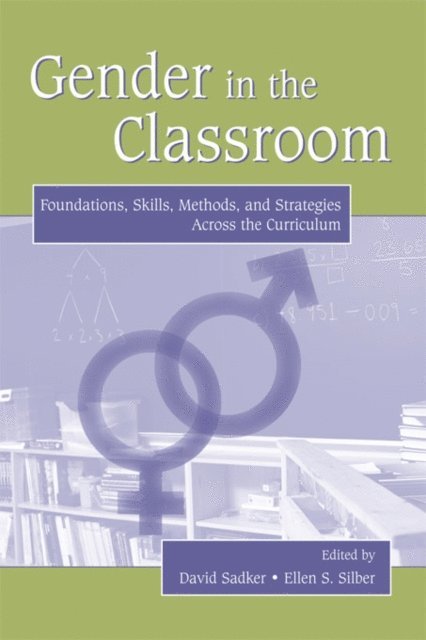
What’s missing from your teacher education program? According to research studies, one glaring omission is gender. Tomorrow’s teachers receive little instruction or training on the tremendous impact of gender in the classroom. Just how does gender influence teaching, the curriculum, and the lives of teachers and students in the classroom? This unique book has been designed to answer these questions. Gender in the Classroom is intended to be used across the teacher education curriculum--from subject-specific methods courses to foundations, from educational psychology to student teaching. It can be adopted for an entire program, or several instructors can adopt it jointly, or a single instructor can adopt it as one of several or a supplementary text for a course. A comprehensive Instructor’s Manual provides information and materials for teacher educators who adopt the text. Each chapter offers practical information and skills about gender and sex differences, curriculum, and specific teaching methods. Written in a lively style, the text features a number of interactive activities to engage and instruct the reader. The chapters follow a common format designed to invite student interest and action. Each is built around Essential Equity Questions that focus on pertinent gender-related questions and issues in a specific subject area:*the role of women in education--intersections of the teaching profession, feminism, and teachers as activists for social change; *gender differences in cognitive ability, attitudes, and behavior;*how to teach and implement Title IX;*how to observe classrooms to “see” gender bias;*social studies education; *English/language arts methods; *science education; and*mathematics and technology education.Interactions in each chapter engage students in activities to promote understanding. Each Interaction is linked to one or more specific INTASC standards. In the last chapter, the emphasis is on applying many of the skills learned previously--it gives student teachers and their supervisors several tools they can use for analyzing classroom teaching and detecting gender bias. This chapter also includes a culminating activity for identifying and correcting curricular bias. In fact, many of the techniques in this text can be applied to uncover and correct not only gender bias, but racial, ethnic, and cultural bias as well.The Instructor''s Manual [978-0-8058-5475-6] is now available electronically (please contact our customer service department to request a copy).
Inbunden, Engelska, 2016
2 136 kr
Skickas inom 10-15 vardagar
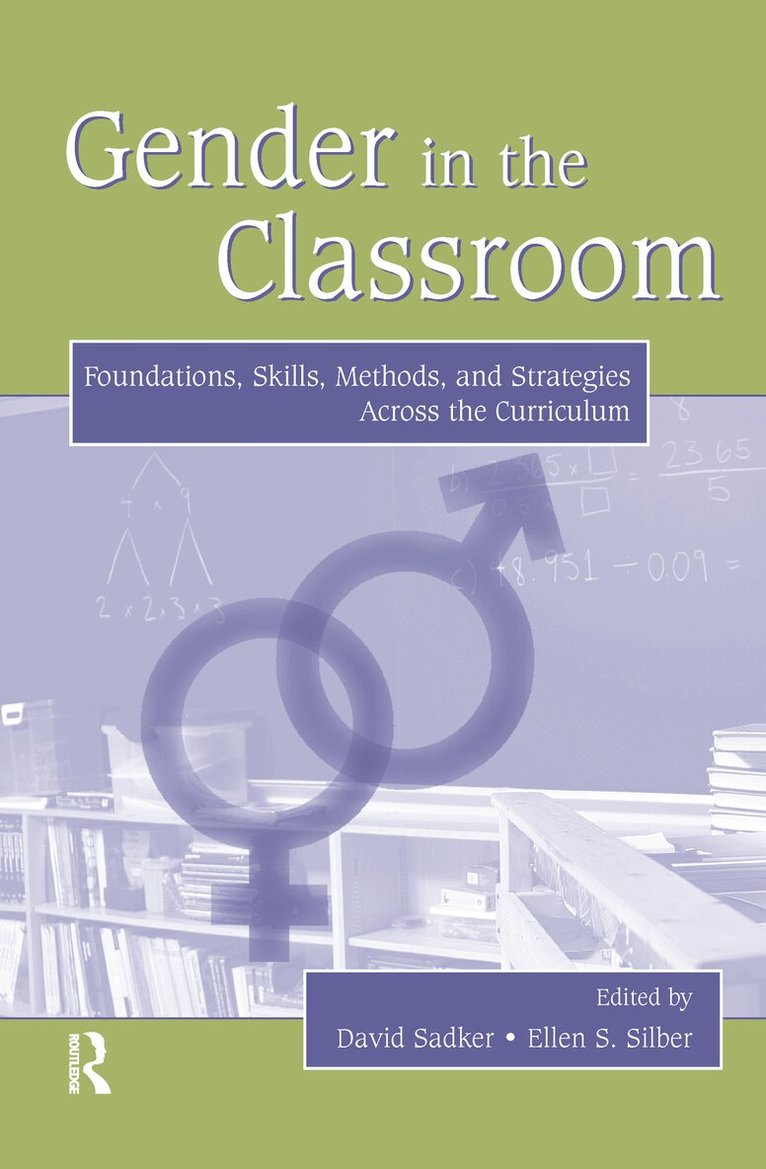
What’s missing from your teacher education program? According to research studies, one glaring omission is gender. Tomorrow’s teachers receive little instruction or training on the tremendous impact of gender in the classroom. Just how does gender influence teaching, the curriculum, and the lives of teachers and students in the classroom? This unique book has been designed to answer these questions. Gender in the Classroom is intended to be used across the teacher education curriculum--from subject-specific methods courses to foundations, from educational psychology to student teaching. It can be adopted for an entire program, or several instructors can adopt it jointly, or a single instructor can adopt it as one of several or a supplementary text for a course. A comprehensive Instructor’s Manual provides information and materials for teacher educators who adopt the text. Each chapter offers practical information and skills about gender and sex differences, curriculum, and specific teaching methods. Written in a lively style, the text features a number of interactive activities to engage and instruct the reader. The chapters follow a common format designed to invite student interest and action. Each is built around Essential Equity Questions that focus on pertinent gender-related questions and issues in a specific subject area:*the role of women in education--intersections of the teaching profession, feminism, and teachers as activists for social change;*gender differences in cognitive ability, attitudes, and behavior;*how to teach and implement Title IX;*how to observe classrooms to “see” gender bias;*social studies education;*English/language arts methods;*science education; and*mathematics and technology education. Interactions in each chapter engage students in activities to promote understanding. Each Interaction is linked to one or more specific INTASC standards. In the last chapter, the emphasis is on applying many of the skills learned previously--it gives student teachers and their supervisors several tools they can use for analyzing classroom teaching and detecting gender bias. This chapter also includes a culminating activity for identifying and correcting curricular bias. In fact, many of the techniques in this text can be applied to uncover and correct not only gender bias, but racial, ethnic, and cultural bias as well. The Instructor's Manual [978-0-8058-5475-6] is now available electronically (please contact our customer service department to request a copy).

Häftad, Engelska, 2016
301 kr
Skickas inom 3-6 vardagar
E-bok
Engelska, 2010208 kr
Läs direkt efter köp
Failing at Fairness, the result of two decades of research, shows how gender bias makes it impossible for girls to receive an education equal to that given to boys.Girls'' learning problems are not identified as often as boys'' areBoys receive more of their teachers'' attentionGirls start school testing higher in every academic subject, yet graduate from high school scoring 50 points lower than boys on the SATHard-hitting and eye-opening, Failing at Fairness should be read by every parent, especially those with daughters.