David Seljak – författare
Visar alla böcker från författaren . Handla med fri frakt och snabb leverans.
6 produkter
6 produkter
Häftad, Engelska, 2009
646 kr
Skickas inom 5-8 vardagar
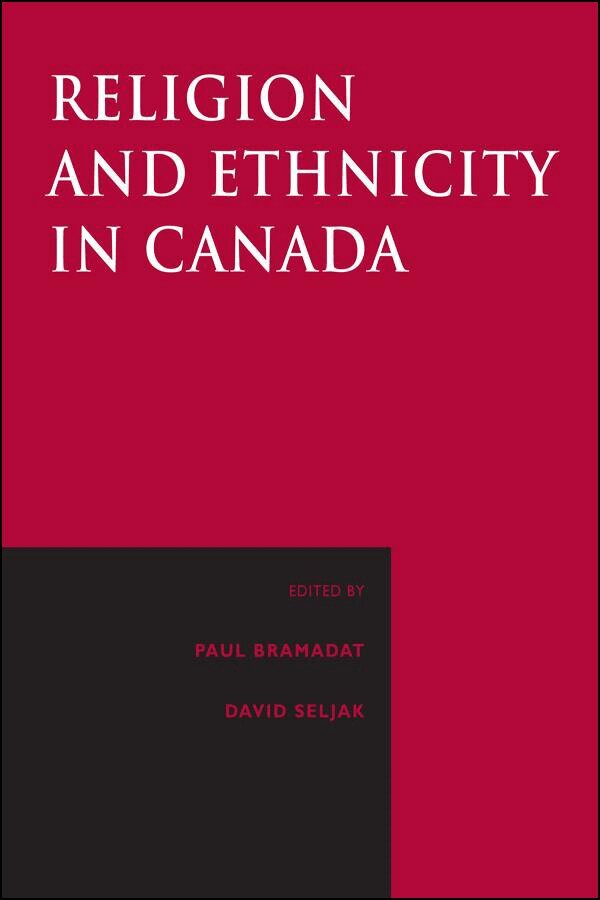
As the leading book in its field, Religion and Ethnicity in Canada has been embraced by scholars, teachers, students, and policy makers as a breakthrough study of Canadian religio-ethnic diversity and its impact on multiculturalism. A team of established scholars looks at the relationships between religious and ethnic identity in Canada's six largest minority religious communities: Hindus, Buddhists, Sikhs, Jews, Muslims and practitioners of Chinese religion. The chapters also highlight the ethnic diversity extant within these traditions in order to offer a more nuanced appreciation of the variety of lived experiences of members of these communities.Together, the contributors develop consistent themes throughout the volume, among them the changing nature of religious practice and ideas, current demographics, racism, and the role of women. Chapters related to the public policy issues of healthcare, education and multiculturalism show how new ethnic and religious diversity are challenging and changing Canadian institutions and society. Comprehensive and insightful, Religion and Ethnicity in Canada makes a unique contribution to the study of world religions in Canada.
E-bok
PDF, Engelska, 2009657 kr
Läs direkt efter köp
As the leading book in its field, Religion and Ethnicity in Canada has been embraced by scholars, teachers, students, and policy makers as a breakthrough study of Canadian religio-ethnic diversity and its impact on multiculturalism. A team of established scholars looks at the relationships between religious and ethnic identity in Canada's six largest minority religious communities: Hindus, Buddhists, Sikhs, Jews, Muslims and practitioners of Chinese religion. The chapters also highlight the ethnic diversity extant within these traditions in order to offer a more nuanced appreciation of the variety of lived experiences of members of these communities.Together, the contributors develop consistent themes throughout the volume, among them the changing nature of religious practice and ideas, current demographics, racism, and the role of women. Chapters related to the public policy issues of healthcare, education and multiculturalism show how new ethnic and religious diversity are challenging and changing Canadian institutions and society. Comprehensive and insightful, Religion and Ethnicity in Canada makes a unique contribution to the study of world religions in Canada.
E-bok
PDF, Engelska, 2008570 kr
Läs direkt efter köp
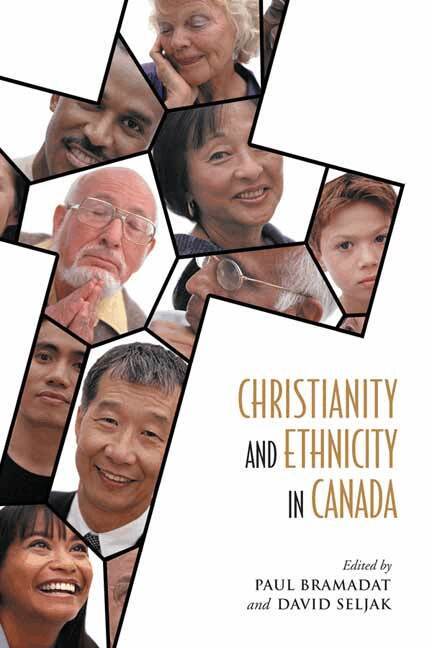
Over the past decade, scholars and policy makers interested in Canadian multiculturalism have begun to take religion much more seriously. Moreover, Christian communities have become increasingly aware of the impact of ethnic diversity on church life. However, until very recently almost no systematic academic attention has been paid to the intersection between the ethnic and religious identities of individuals or communities. This gap in both our academic literature and our public discourse represents an obstacle to understanding and integrating the large numbers of "ethnic Christians," most of whom either join existing Canadian churches or create ethnically specific congregations.In Christianity and Ethnicity in Canada, eleven scholars explore the complex relationships between religious and ethnic identity within the nine major Christian traditions in Canada. The contributors discuss the ways in which changes in the ethnic composition of these traditions influence religious practice and identity, as well as how the nine religious traditions influence communal and individual ethnic identities. An introductory chapter by Paul Bramadat and David Seljak provides a thorough discussion of the theoretical, historical, and empirical issues involved in the study of Christianity and ethnicity in Canada. This volume complements Religion and Ethnicity in Canada in which the authors address similar issues within the six major non-Christian communities in Canada, and within Canadian health care, education, and politics.
E-bok
Engelska, 2008649 kr
Läs direkt efter köp
Over the past decade, scholars and policy makers interested in Canadian multiculturalism have begun to take religion much more seriously. Moreover, Christian communities have become increasingly aware of the impact of ethnic diversity on church life. However, until very recently almost no systematic academic attention has been paid to the intersection between the ethnic and religious identities of individuals or communities. This gap in both our academic literature and our public discourse represents an obstacle to understanding and integrating the large numbers of "ethnic Christians," most of whom either join existing Canadian churches or create ethnically specific congregations.In Christianity and Ethnicity in Canada, eleven scholars explore the complex relationships between religious and ethnic identity within the nine major Christian traditions in Canada. The contributors discuss the ways in which changes in the ethnic composition of these traditions influence religious practice and identity, as well as how the nine religious traditions influence communal and individual ethnic identities. An introductory chapter by Paul Bramadat and David Seljak provides a thorough discussion of the theoretical, historical, and empirical issues involved in the study of Christianity and ethnicity in Canada. This volume complements Religion and Ethnicity in Canada in which the authors address similar issues within the six major non-Christian communities in Canada, and within Canadian health care, education, and politics.
E-bok
Engelska, 2009657 kr
Läs direkt efter köp
As the leading book in its field, Religion and Ethnicity in Canada has been embraced by scholars, teachers, students, and policy makers as a breakthrough study of Canadian religio-ethnic diversity and its impact on multiculturalism. A team of established scholars looks at the relationships between religious and ethnic identity in Canada's six largest minority religious communities: Hindus, Buddhists, Sikhs, Jews, Muslims and practitioners of Chinese religion. The chapters also highlight the ethnic diversity extant within these traditions in order to offer a more nuanced appreciation of the variety of lived experiences of members of these communities.Together, the contributors develop consistent themes throughout the volume, among them the changing nature of religious practice and ideas, current demographics, racism, and the role of women. Chapters related to the public policy issues of healthcare, education and multiculturalism show how new ethnic and religious diversity are challenging and changing Canadian institutions and society. Comprehensive and insightful, Religion and Ethnicity in Canada makes a unique contribution to the study of world religions in Canada.
Häftad, Engelska, 2027
573 kr
Kommande
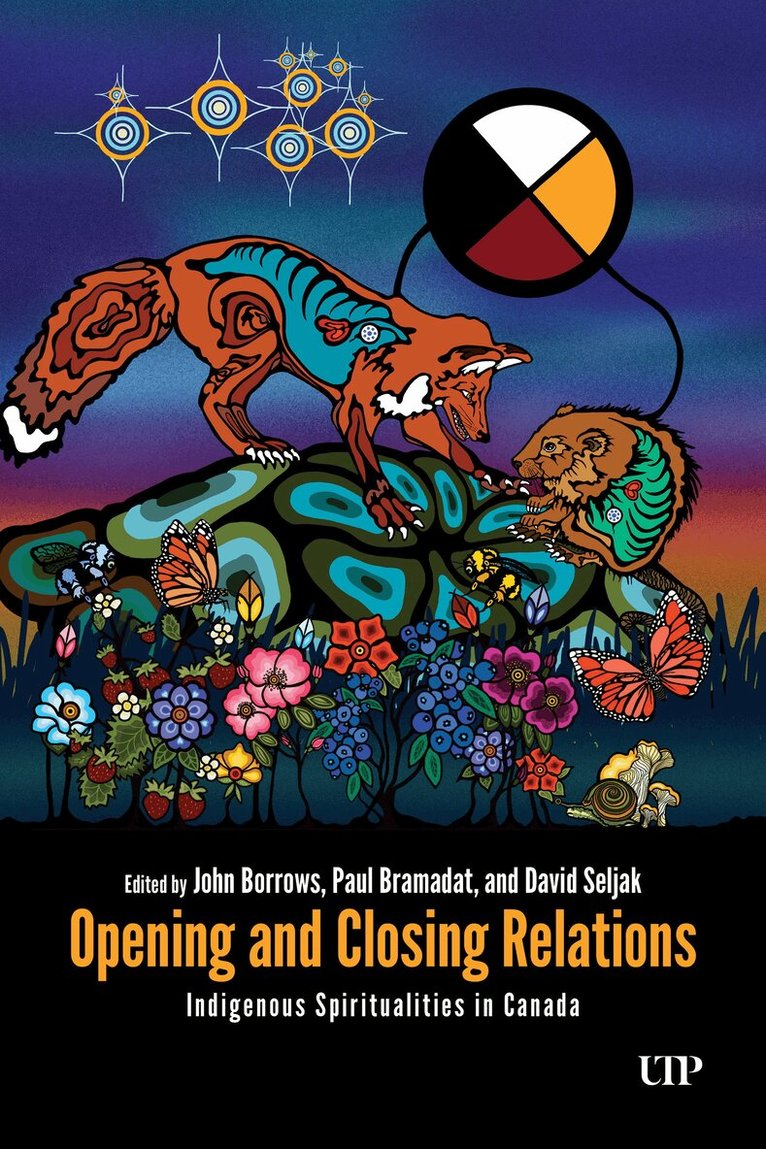
At a time when fewer Canadians than ever identify with a conventional religious tradition and Canadian institutions are becoming increasingly secular, there is evidence of a resurgence in Indigenous spirituality and a new recognition of and respect for its significance in Canadian public life. Opening and Closing Relations examines this growing engagement with expressions of culture, law, and spirituality in Indigenous communities as well as broader public institutions. The contributors argue that the resurgence of Indigenous spirituality encourages the creation of new laws, practices, customs, governance structures, and institutions – and not just for Indigenous people, but for all Canadians. Despite exceptions, we are witnessing a sea change in attitudes and practices regarding Indigenous spirituality in Canadian society and public life. Non-Indigenous Canadians are arguably more willing to recognize, honour, and integrate Indigenous spirituality than ever before in Canadian history. Examining this dynamic and its limitations in legislation, healthcare, sustainability, projects of Indigenous sovereignty, and more, the book also integrates examples of resurgence in particular Indigenous communities and Indigenization in Canadian public institutions. While rooting their work in their particular academic specializations, the authors also write reflexively on their own (Indigenous or settler) experiences and identities, challenging the boundaries of mainstream academic disciplines through forms of storytelling, poetry, photography, and personal memoir. An invaluable resource, this book serves as both a scholarly reference and a meaningful conversation-starter on reconciliation and resurgence.