David Simmonds – författare
Visar alla böcker från författaren David Simmonds. Handla med fri frakt och snabb leverans.
13 produkter
13 produkter
Inbunden, Engelska, 2021
398 kr
Skickas inom 5-8 vardagar
E-bok
Engelska, 2021421 kr
Läs direkt efter köp
It has often been said that the most famous verse in the Bible is John chapter 3 verse 16. Indeed, many Christians are able to quote it by heart. However, if we asked them about John 3:15 or 3:17, they might struggle. And so began my quest. What about looking at all the 3:16s in the whole Bible? I looked at a few verses at random, and then decided to begin at the beginning with Genesis. I very nearly abandoned the whole project, right there! How could I, a man, dare to comment on such a perilous range of topics and issues as contained in that one verse?This book encourages you to journal your way through the Scriptures. Meditating through the Bible will help you come closer to God and His living word.
Häftad, Engelska, 2021
254 kr
Skickas inom 5-8 vardagar
E-bok
Engelska55 kr
Läs direkt efter köp
E-bok
Engelska54 kr
Läs direkt efter köp
E-bok
Engelska55 kr
Läs direkt efter köp
E-bok
Engelska54 kr
Läs direkt efter köp
Inbunden, Engelska, 2010
1 092 kr
Skickas inom 10-15 vardagar
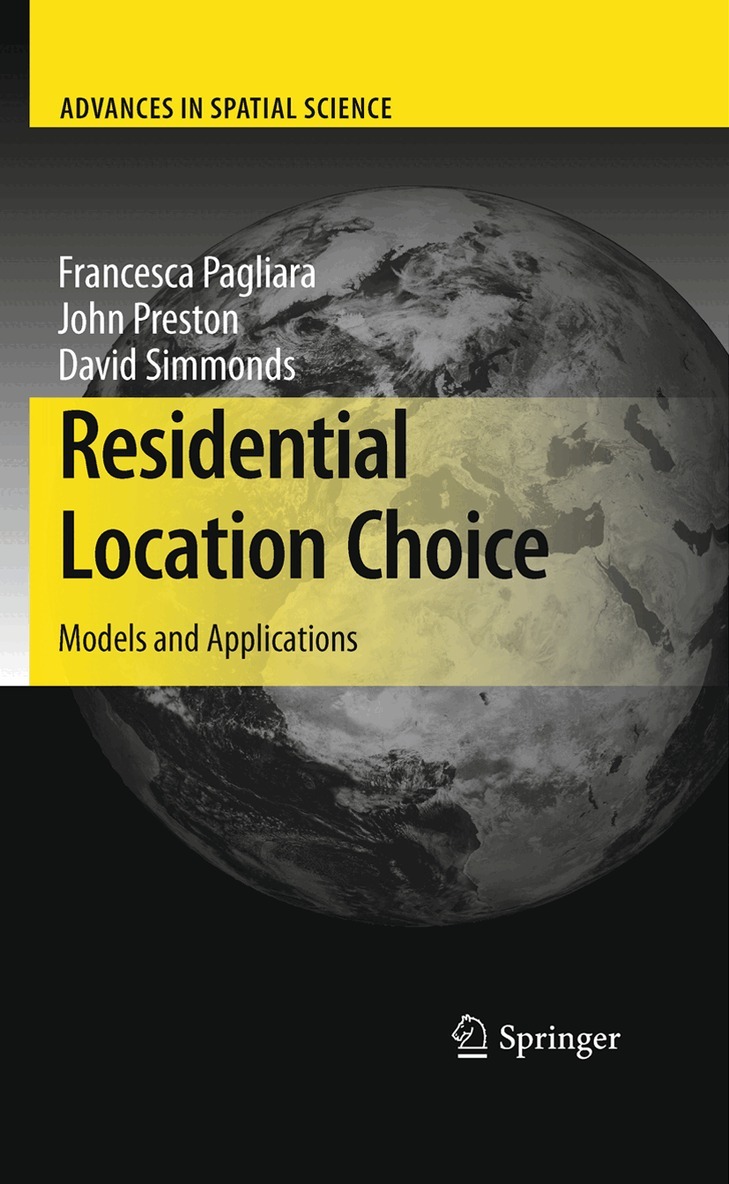
The effective planning of residential location choices is one of the great challenges of contemporary societies and requires forecasting capabilities and the consideration of complex interdependencies which can only be handled by complex computer models. This book presents a range of approaches used to model residential locations within the context of developing land-use and transport models. These approaches illustrate the range of choices that modellers have to make in order to represent residential choice behaviour. The models presented in this book represent the state-of-the-art and are valuable both as key building blocks for general urban models, and as representative examples of complexity science.
E-bok
PDF, Engelska, 20101 416 kr
Läs direkt efter köp
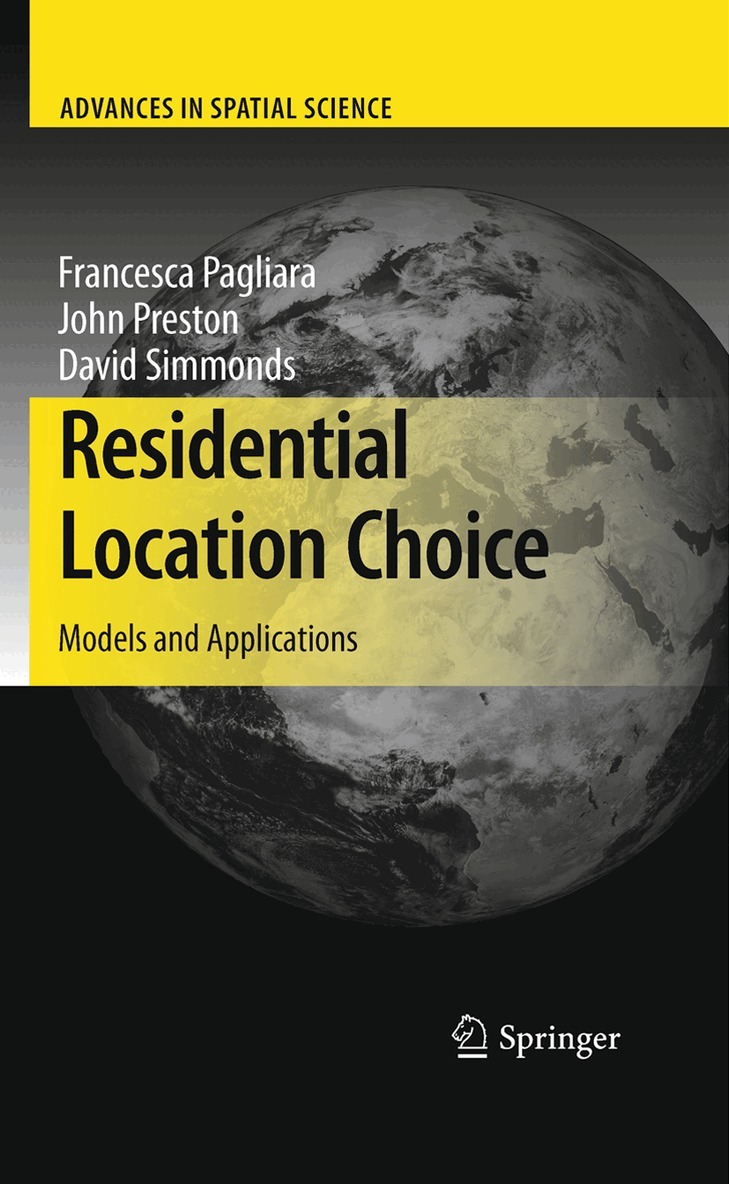
The effective planning of residential location choices is one of the great challenges of contemporary societies and requires forecasting capabilities and the consideration of complex interdependencies which can only be handled by complex computer models. This book presents a range of approaches used to model residential locations within the context of developing land-use and transport models. These approaches illustrate the range of choices that modellers have to make in order to represent residential choice behaviour. The models presented in this book represent the state-of-the-art and are valuable both as key building blocks for general urban models, and as representative examples of complexity science.
Häftad, Engelska, 2012
1 092 kr
Skickas inom 10-15 vardagar
The effective planning of residential location choices is one of the great challenges of contemporary societies and requires forecasting capabilities and the consideration of complex interdependencies which can only be handled by complex computer models. This book presents a range of approaches used to model residential locations within the context of developing land-use and transport models. These approaches illustrate the range of choices that modellers have to make in order to represent residential choice behaviour. The models presented in this book represent the state-of-the-art and are valuable both as key building blocks for general urban models, and as representative examples of complexity science.
Inbunden, Engelska, 2012
1 092 kr
Skickas inom 10-15 vardagar
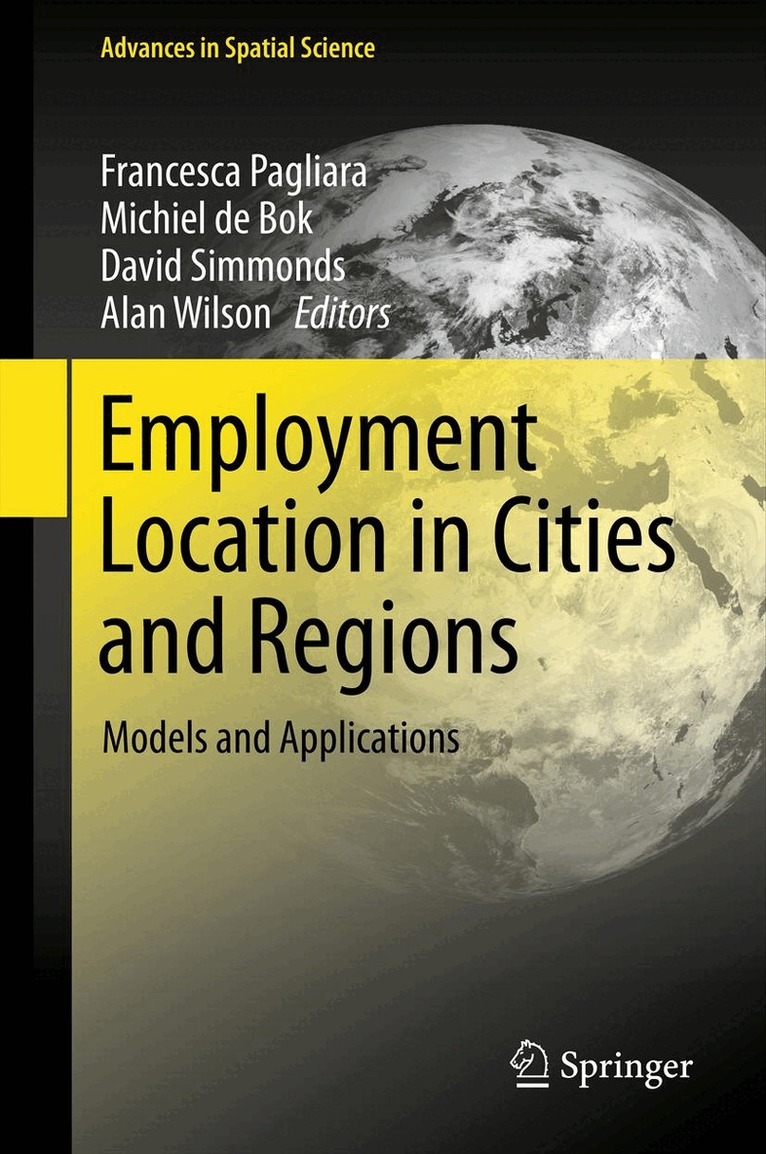
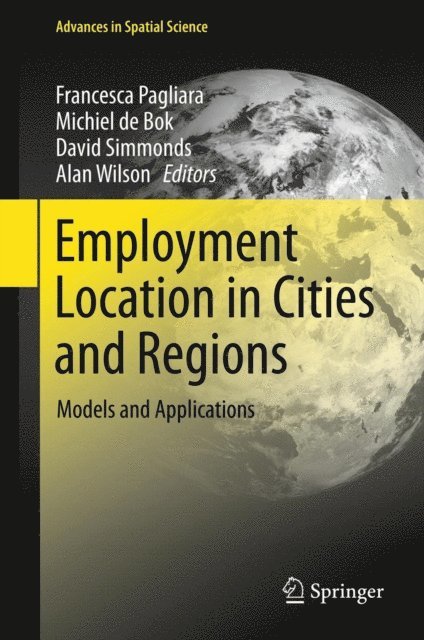
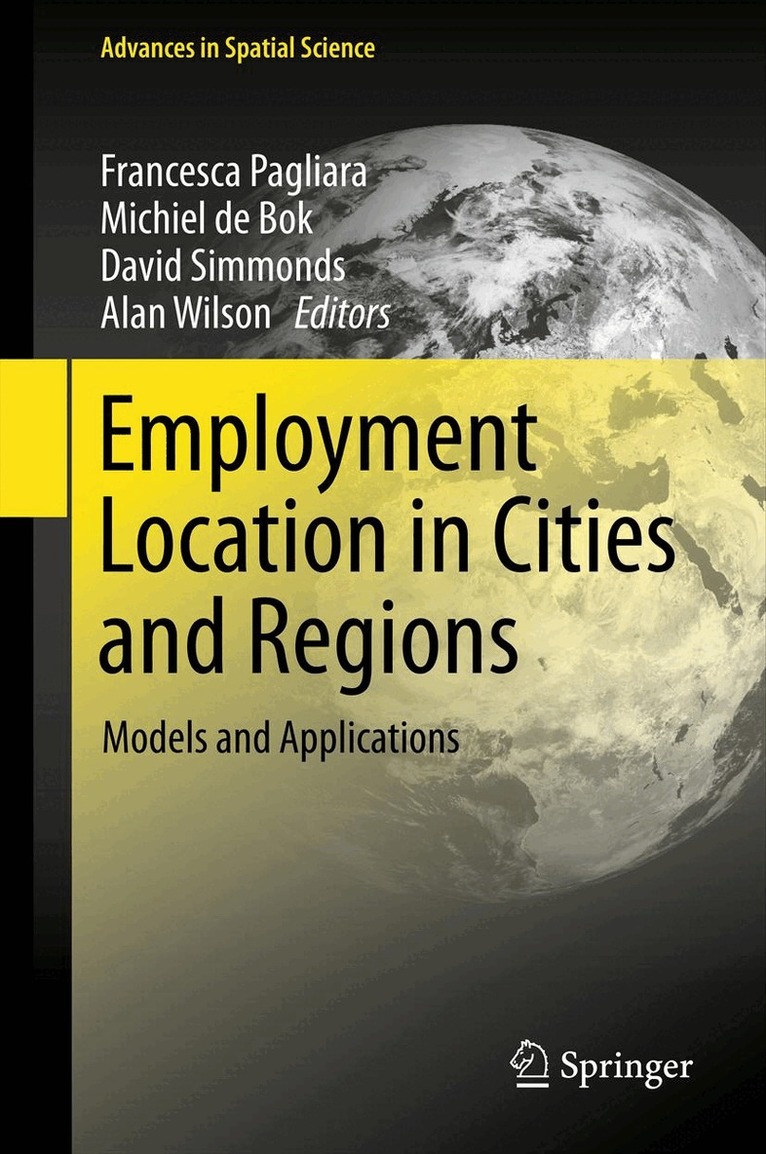
The focus of this book is the modeling of the location of economic activities, measured in terms of employment, in land-use and transportation systems. These measures are key inputs to models at intra-urban scales of the flows of persons and goods for both urban and transport planning. The models described here are either components of comprehensive models or specialist studies. Economic activities can be defined in terms of jobs or private-sector firms and public service organisations. Different levels of aggregation are used both in terms of organisational and geographical dimensions. In the case of firms and public organizations, a distinction can be made between the organizations themselves and corresponding establishments. For urban simulation models, it is the location of establishments that is important. At the more coarse levels of aggregation that are usually used in comprehensive models, firms and organizations are aggregated into sectors.
E-bok
PDF, Engelska, 20121 416 kr
Läs direkt efter köp
The focus of this book is the modeling of the location of economic activities, measured in terms of employment, in land-use and transportation systems. These measures are key inputs to models at intra-urban scales of the flows of persons and goods for both urban and transport planning. The models described here are either components of comprehensive models or specialist studies. Economic activities can be defined in terms of jobs or private-sector firms and public service organisations. Different levels of aggregation are used both in terms of organisational and geographical dimensions. In the case of firms and public organizations, a distinction can be made between the organizations themselves and corresponding establishments. For urban simulation models, it is the location of establishments that is important. At the more coarse levels of aggregation that are usually used in comprehensive models, firms and organizations are aggregated into sectors.
Häftad, Engelska, 2014
1 092 kr
Skickas inom 10-15 vardagar
The focus of this book is the modeling of the location of economic activities, measured in terms of employment, in land-use and transportation systems. These measures are key inputs to models at intra-urban scales of the flows of persons and goods for both urban and transport planning. The models described here are either components of comprehensive models or specialist studies. Economic activities can be defined in terms of jobs or private-sector firms and public service organisations. Different levels of aggregation are used both in terms of organisational and geographical dimensions. In the case of firms and public organizations, a distinction can be made between the organizations themselves and corresponding establishments. For urban simulation models, it is the location of establishments that is important. At the more coarse levels of aggregation that are usually used in comprehensive models, firms and organizations are aggregated into sectors.