David Stacey – författare
Visar alla böcker från författaren David Stacey. Handla med fri frakt och snabb leverans.
8 produkter
Creating Texts
An Introduction to the Study of Composition
Häftad, 1997
891 kr
Lägg i varukorg
The purpose of this book is to enable students to fully comprehend what is involved in the creation of a text; to acquire a command of composition, grammar and the lexicon and to develop skills in adapting writing style to the audience and context of writing. The book provides coverage of general …
Creating Texts
An Introduction to the Study of Composition
Inbunden, 2017
3155 kr
Lägg i varukorg
Creating Texts emphasises a practical approach to composition and enables students to understand what is involved in the creation of a text and to learn from the practice of other writers. Extensively rewritten and updated from Walter Nash's earlier volume, Designs in Prose, attention is paid to …
Qumran Revisited: A Reassessment of the Archaeology of the Site and its Texts
Av Gregory Doudna, David Stacey
Häftad, 2013
399 kr
Lägg i varukorg
Isaiah 1-39
Av David Stacey
E-bok, 2018
503 kr
Lägg i varukorg
David Stacey believes that the meaning of oracles when they were first spoken is of primary importance for preachers and teachers today. In this commentary, he attempts to unravel the difficulties which even the best translations fail to make plain to place each passage in its original context. But …
Prophetic Drama in the Old Testament
Av David Stacey
E-bok, 2018
606 kr
Lägg i varukorg
Most books on the prophets contain a page or two on what is usually called "e;prophetic symbolism,"e; but full-scale treatments are remarkably few, and in English entirely lacking. Dr. Stacey examines all the evidence in detail, considers the various explanations of the phenomenon that have …
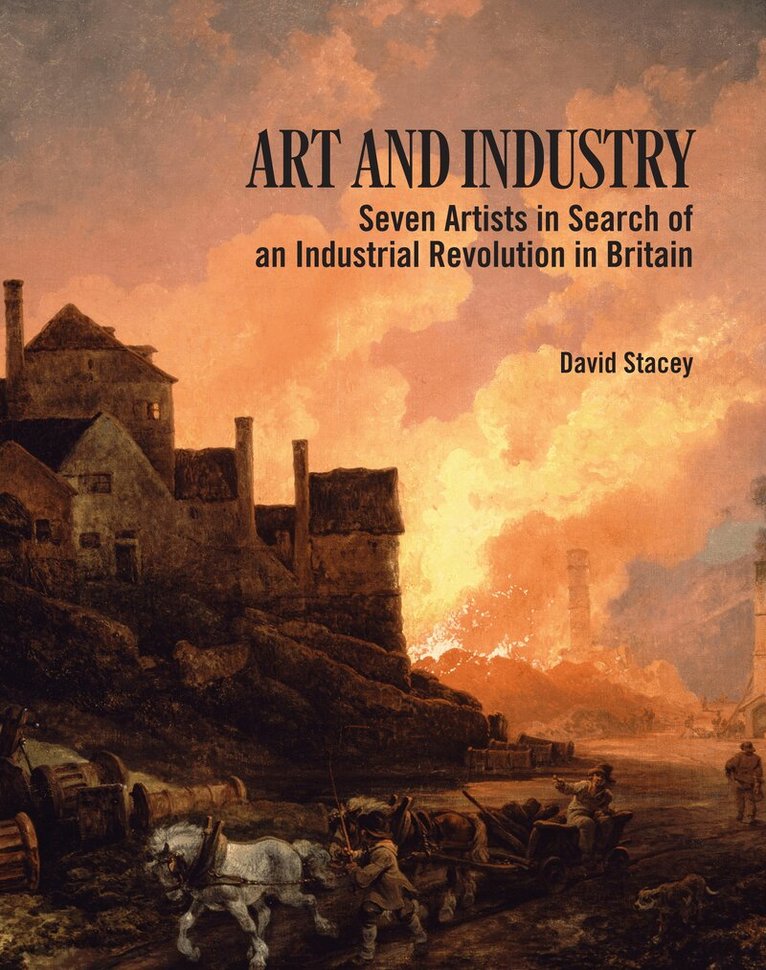
Art and Industry
Seven Artists in search of an Industrial Revolution in Britain
Av David Stacey
Häftad, 2021
280 kr
Lägg i varukorg
In seven linked essays, the author discusses paintings of industrial scenes by seven artists working in the period 1780–1830. Their unique and distinct responses to the subject matter reveal a surprisingly coherent message.