David Tough – författare
Visar alla böcker från författaren David Tough. Handla med fri frakt och snabb leverans.
7 produkter
7 produkter
Häftad, Engelska, 2020
505 kr
Skickas inom 10-15 vardagar
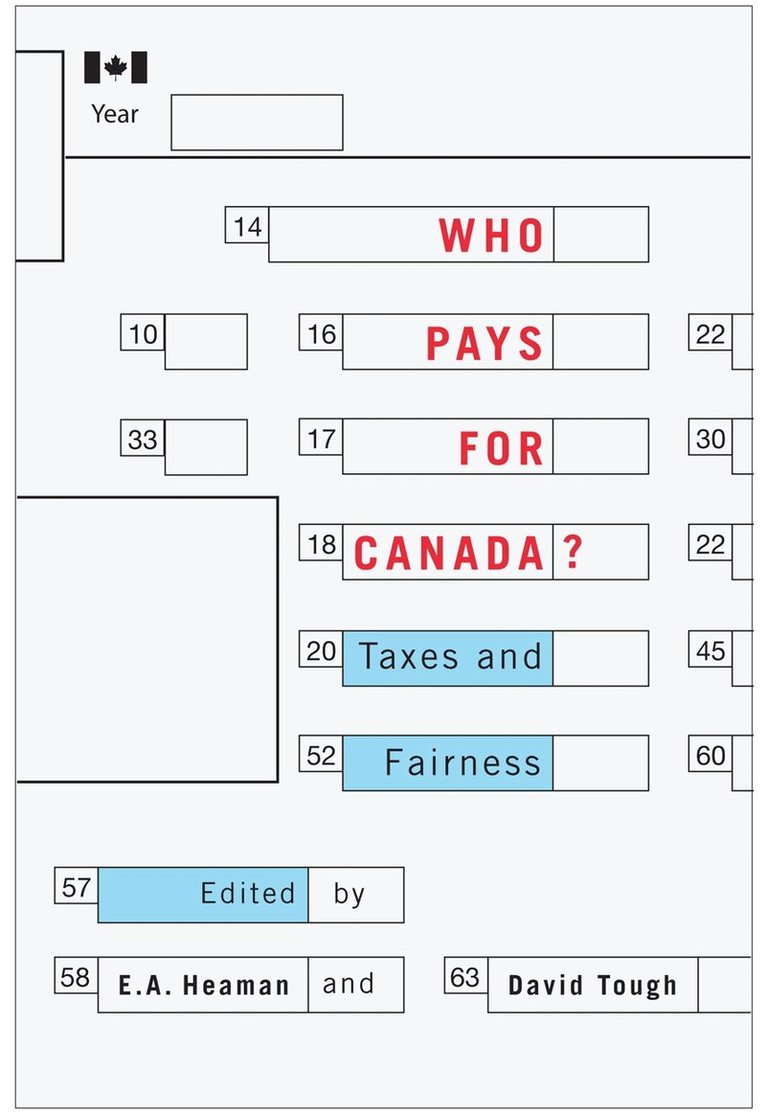
Canadians can never not argue about taxes. From the Chinese head tax to the Panama Papers, from the National Policy to the Canada-United States-Mexico Agreement, tax grievances always inspire private resentments and public debates. But if resentment and debate persist, the terms of the debate have continually altered and adapted to reflect changing social, economic, and political conditions in Canada and the wider world. The centenary of income tax is the occasion for Canadian scholars to wrestle with past and present debates about tax equity, efficiency, and justice. Who Pays for Canada? explores the different ways governments can and should tax their peoples and evaluates how well Canada has done so. It brings together a diverse group of perspectives from academia - law, economics, political science, history, geography, philosophy, and accountancy - and from the wider world of activists and public servants. It asks how Canada compares to other countries and how other countries - especially the United States - influence Canadian tax policies. It also surveys internal tax tensions and politics, through the lenses of region and jurisdiction, as well as race, class, and gender. Reasoning from tax perplexities and reforms in the past and the present, it argues that fair taxation requires an informed populace and a democratically inclined public will. Above all, this book serves as a reminder that it is not only what counts as fair that is important, but how fairness is evaluated. Revealing how closely tax policy is tied to mainstream politics, human rights, and morality, Who Pays for Canada? represents new perspectives on a matter of tremendous national urgency.
E-bok
PDF, Engelska, 2020427 kr
Läs direkt efter köp
Canadians can never not argue about taxes. From the Chinese head tax to the Panama Papers, from the National Policy to the Canada-United States-Mexico Agreement, tax grievances always inspire private resentments and public debates. But if resentment and debate persist, the terms of the debate have continually altered and adapted to reflect changing social, economic, and political conditions in Canada and the wider world. The centenary of income tax is the occasion for Canadian scholars to wrestle with past and present debates about tax equity, efficiency, and justice. Who Pays for Canada? explores the different ways governments can and should tax their peoples and evaluates how well Canada has done so. It brings together a diverse group of perspectives from academia - law, economics, political science, history, geography, philosophy, and accountancy - and from the wider world of activists and public servants. It asks how Canada compares to other countries and how other countries - especially the United States - influence Canadian tax policies. It also surveys internal tax tensions and politics, through the lenses of region and jurisdiction, as well as race, class, and gender. Reasoning from tax perplexities and reforms in the past and the present, it argues that fair taxation requires an informed populace and a democratically inclined public will. Above all, this book serves as a reminder that it is not only what counts as fair that is important, but how fairness is evaluated. Revealing how closely tax policy is tied to mainstream politics, human rights, and morality, Who Pays for Canada? represents new perspectives on a matter of tremendous national urgency.
E-bok
Engelska, 2020412 kr
Läs direkt efter köp
Canadians can never not argue about taxes. From the Chinese head tax to the Panama Papers, from the National Policy to the Canada-United States-Mexico Agreement, tax grievances always inspire private resentments and public debates. But if resentment and debate persist, the terms of the debate have continually altered and adapted to reflect changing social, economic, and political conditions in Canada and the wider world. The centenary of income tax is the occasion for Canadian scholars to wrestle with past and present debates about tax equity, efficiency, and justice. Who Pays for Canada? explores the different ways governments can and should tax their peoples and evaluates how well Canada has done so. It brings together a diverse group of perspectives from academia - law, economics, political science, history, geography, philosophy, and accountancy - and from the wider world of activists and public servants. It asks how Canada compares to other countries and how other countries - especially the United States - influence Canadian tax policies. It also surveys internal tax tensions and politics, through the lenses of region and jurisdiction, as well as race, class, and gender. Reasoning from tax perplexities and reforms in the past and the present, it argues that fair taxation requires an informed populace and a democratically inclined public will. Above all, this book serves as a reminder that it is not only what counts as fair that is important, but how fairness is evaluated. Revealing how closely tax policy is tied to mainstream politics, human rights, and morality, Who Pays for Canada? represents new perspectives on a matter of tremendous national urgency.
Häftad, Engelska, 2018
290 kr
Skickas inom 5-8 vardagar
Inbunden, Engelska, 2018
370 kr
Skickas inom 5-8 vardagar
Häftad, Engelska, 2019
386 kr
Skickas inom 5-8 vardagar
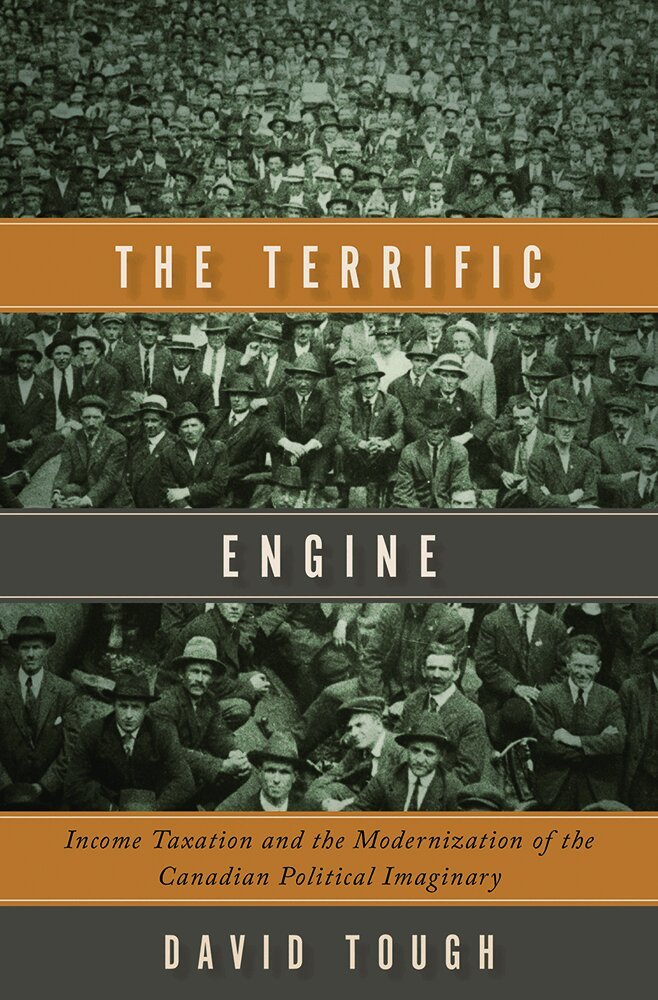
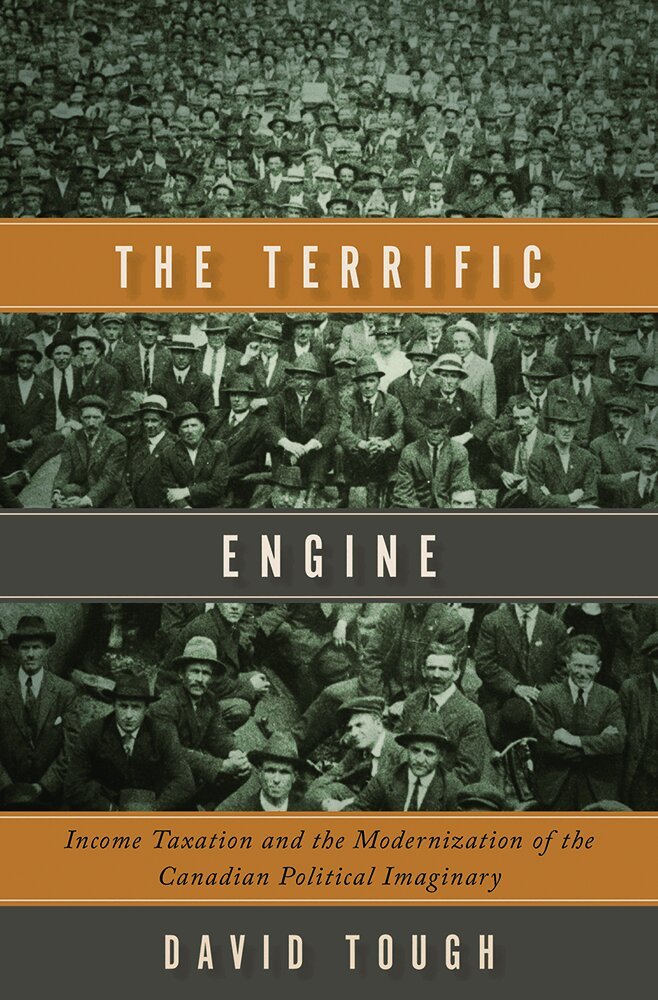
What do we mean by left wing or right wing? People started using the language of a political spectrum when early twentieth-century political parties began to distinguish their platforms by offering different approaches to income distribution. The Terrific Engine examines how the powerful tool of income taxation transformed the way people talk and think about politics in Canada. Drawing on heated debates that demonstrated the imaginative power of income taxation, David Tough traces the modernization of political language from the 1911 election through the Second World War.Countering a strongly held myth that income taxation was imposed on a reluctant public, Tough argues that its introduction is in fact a story of democracy. People first demanded that this new form of taxation replace existing ones, and then that it be used to address income inequality. And, in establishing a clear basis for party differences, income taxation made elections significantly more democratic.
E-bok
Engelska43 kr
Läs direkt efter köp