David VanderHamm – författare
Visar alla böcker från författaren David VanderHamm. Handla med fri frakt och snabb leverans.
5 produkter
5 produkter
Inbunden, Engelska, 2024
1 985 kr
Skickas inom 5-8 vardagar
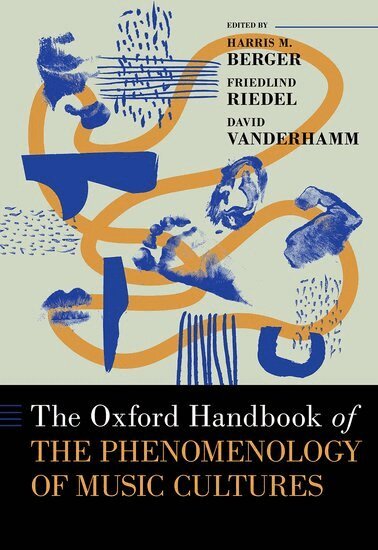
A source of profound insights into human existence and the nature of lived experience, phenomenology is among the most influential intellectual movements of the last hundred years. The Oxford Handbook of the Phenomenology of Music Cultures brings ideas from the phenomenological tradition of Continental European philosophy into conversation with theoretical, ethnographic, and historical work from ethnomusicology, anthropology, sound studies, folklore studies, and allied disciplines to develop new perspectives on musical practices and auditory cultures.With sustained theoretical meditations and evocative ethnography, the book's twenty-two chapters advance scholarship on topics at the heart of the study of music and culture today--from embodiment, atmosphere, and Indigenous ontologies, to music's capacity to reveal new possibilities of the person, the nature of virtuosity, issues in research methods, the role of memory, imagination, and states of consciousness in musical experience, and beyond. Thoroughly up-to-date, the handbook engages with both classical and contemporary phenomenology, as well as theoretical traditions that have drawn from it, such as affect theory or the German-language literature on cultural techniques. Together, these essays make major contributions to fundamental theory in the study of music and culture.
E-bok
PDF, Engelska, 20231 531 kr
Läs direkt efter köp
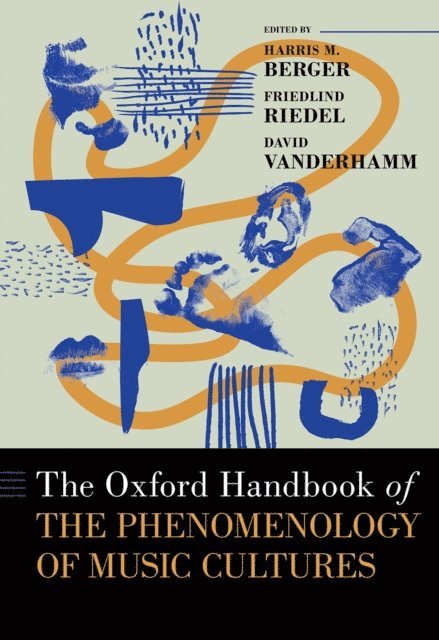
A source of profound insights into human existence and the nature of lived experience, phenomenology is among the most influential intellectual movements of the last hundred years. The Oxford Handbook of the Phenomenology of Music Cultures brings ideas from the phenomenological tradition of Continental European philosophy into conversation with theoretical, ethnographic, and historical work from ethnomusicology, anthropology, sound studies, folklore studies, and allied disciplines to develop new perspectives on musical practices and auditory cultures.With sustained theoretical meditations and evocative ethnography, the book''s twenty-two chapters advance scholarship on topics at the heart of the study of music and culture today--from embodiment, atmosphere, and Indigenous ontologies, to music''s capacity to reveal new possibilities of the person, the nature of virtuosity, issues in research methods, the role of memory, imagination, and states of consciousness in musical experience, and beyond. Thoroughly up-to-date, the handbook engages with both classical and contemporary phenomenology, as well as theoretical traditions that have drawn from it, such as affect theory or the German-language literature on cultural techniques. Together, these essays make major contributions to fundamental theory in the study of music and culture.
E-bok
Engelska, 20231 531 kr
Läs direkt efter köp
A source of profound insights into human existence and the nature of lived experience, phenomenology is among the most influential intellectual movements of the last hundred years. The Oxford Handbook of the Phenomenology of Music Cultures brings ideas from the phenomenological tradition of Continental European philosophy into conversation with theoretical, ethnographic, and historical work from ethnomusicology, anthropology, sound studies, folklore studies, and allied disciplines to develop new perspectives on musical practices and auditory cultures.With sustained theoretical meditations and evocative ethnography, the book''s twenty-two chapters advance scholarship on topics at the heart of the study of music and culture today--from embodiment, atmosphere, and Indigenous ontologies, to music''s capacity to reveal new possibilities of the person, the nature of virtuosity, issues in research methods, the role of memory, imagination, and states of consciousness in musical experience, and beyond. Thoroughly up-to-date, the handbook engages with both classical and contemporary phenomenology, as well as theoretical traditions that have drawn from it, such as affect theory or the German-language literature on cultural techniques. Together, these essays make major contributions to fundamental theory in the study of music and culture.
Inbunden, Engelska, 2026
1 443 kr
Skickas inom 10-15 vardagar
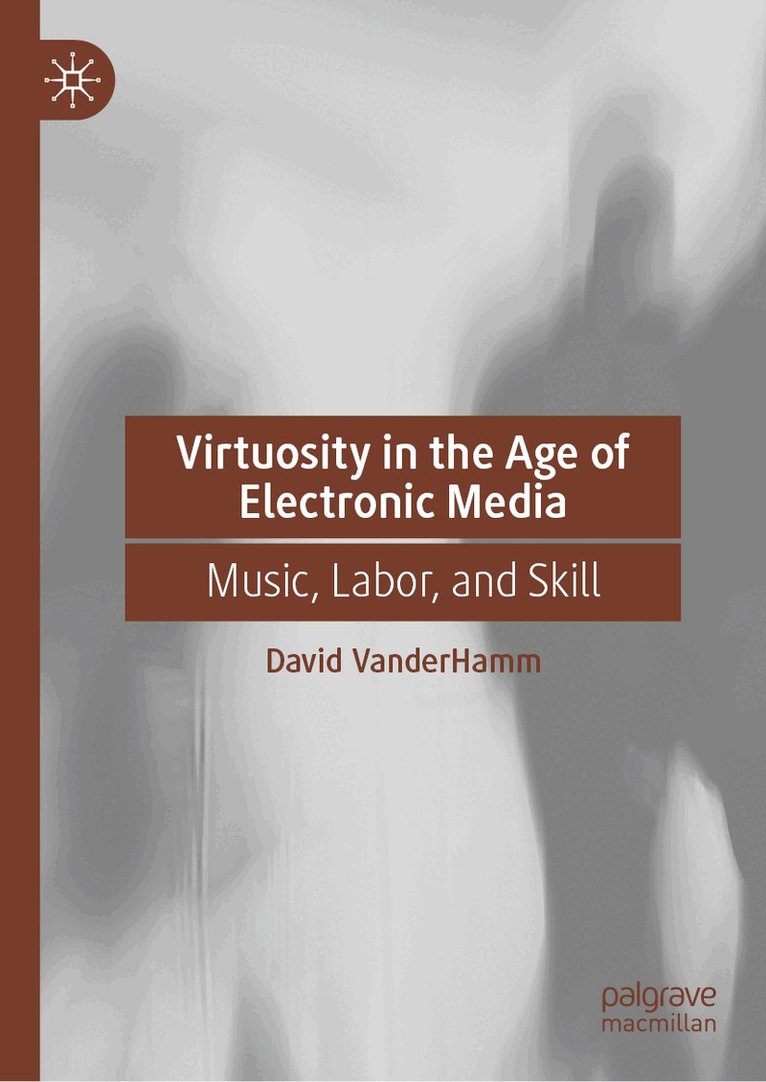
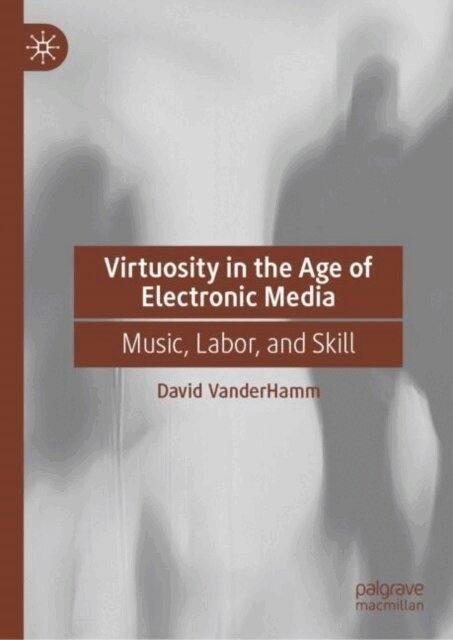
This book evaluates emergent forms of musical virtuosity within American musical cultures during the age of electronic media, a period spanning from 1920—when radio became a household technology and sound recording and playback both gradually became electrified—down to the present. Rather than focusing on instruments that arose during this period—electric guitars, midi controllers, or turntables, for example—this book explores how electronic mediation shapes the experience of virtuosity, even if the music or the instruments used might have been quite at home in earlier centuries. The wide array of genres addressed in this book motivates its project of theorizing virtuosities that differ from the dominant nineteenth-century model. Although many forms of virtuosity are intelligible when viewed through this lens, it is incapable of illuminating the myriad ways that people present, encounter, and value musical skill in the age of electronic media. Drawing on phenomenology and scholarly voices from multiple disciplines, this book defines virtuosities as skills made apparent and socially meaningful, offering an approach that accounts for the persistent role of mediation and the diffusion of agency and authority that accompanies it.
E-bok
Engelska, 20261 785 kr
Läs direkt efter köp
This book evaluates emergent forms of musical virtuosity within American musical cultures during the age of electronic media, a period spanning from 1920—when radio became a household technology and sound recording and playback both gradually became electrified—down to the present. Rather than focusing on instruments that arose during this period—electric guitars, midi controllers, or turntables, for example—this book explores how electronic mediation shapes the experience of virtuosity, even if the music or the instruments used might have been quite at home in earlier centuries. The wide array of genres addressed in this book motivates its project of theorizing virtuosities that differ from the dominant nineteenth-century model. Although many forms of virtuosity are intelligible when viewed through this lens, it is incapable of illuminating the myriad ways that people present, encounter, and value musical skill in the age of electronic media. Drawing on phenomenology and scholarly voices from multiple disciplines, this book defines virtuosities as skills made apparent and socially meaningful, offering an approach that accounts for the persistent role of mediation and the diffusion of agency and authority that accompanies it.