David W Knight – författare
Visar alla böcker från författaren David W Knight. Handla med fri frakt och snabb leverans.
5 produkter
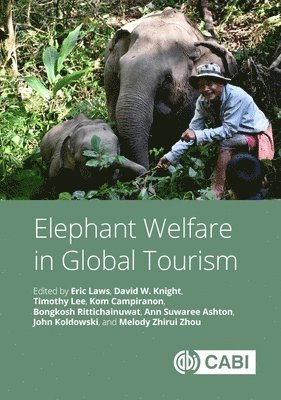
Elephant Welfare in Global Tourism
Av Eric Laws, David W Knight m. fl.
Inbunden, 2025
941 kr
Lägg i varukorg
At the centre of the elephant tourism industry lie two profound challenges: the delicate balance between income and compassion, and the severe threats to the survival of all remaining elephant species. Trained elephants exchange hands for staggering sums, reaching up to $100,000 each, yet the …
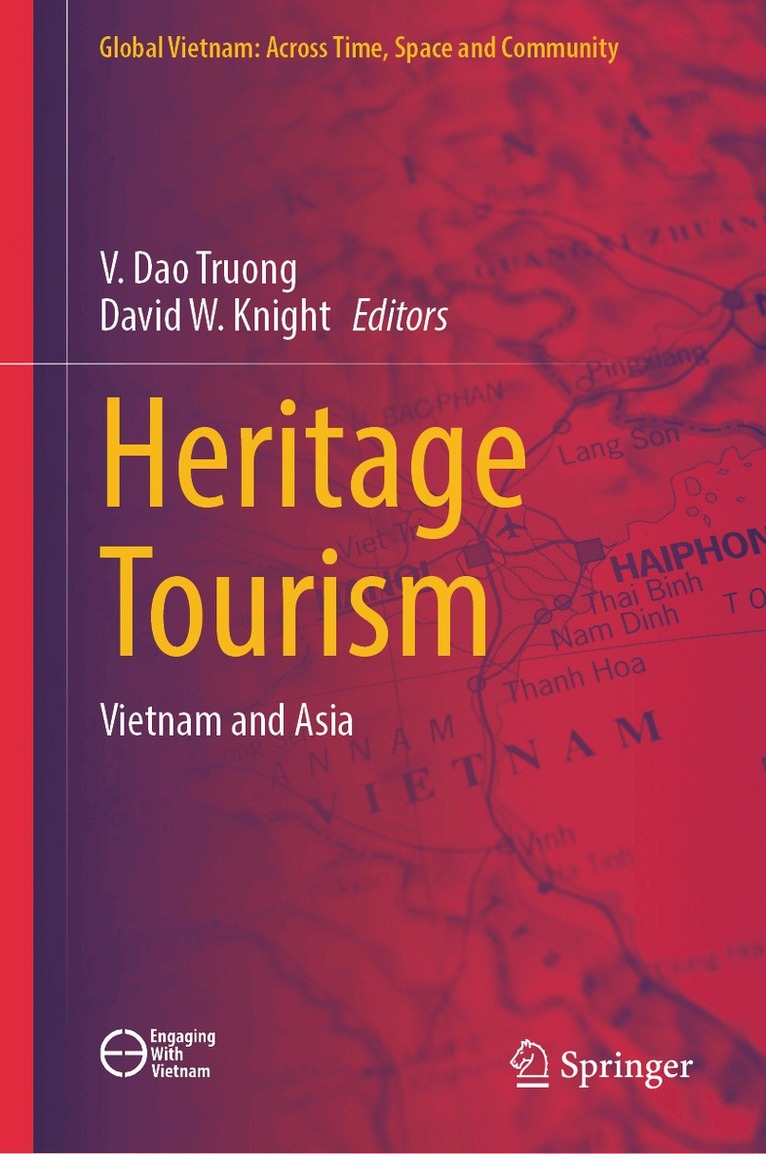
Heritage Tourism
Vietnam and Asia
Av V. Dao Truong, David W. Knight
Inbunden, 2025
1970 kr
Lägg i varukorg
This book provides an overview of research and best practices associated with heritage tourism, with a particular focus on Vietnam, in conversation with heritage tourism in other Asian contexts. These include Iran in the Middle East, Sri Lanka in South Asia, Japan and China in East Asia, Thailand …
Heritage Tourism
Vietnam and Asia
Av David W. Knight, V. Dao Truong
E-bok, 2025
2007 kr
Lägg i varukorg
This book provides an overview of research and best practices associated with heritage tourism, with a particular focus on Vietnam, in conversation with heritage tourism in other Asian contexts. These include Iran in the Middle East, Sri Lanka in South Asia, Japan and China in East Asia, Thailand …
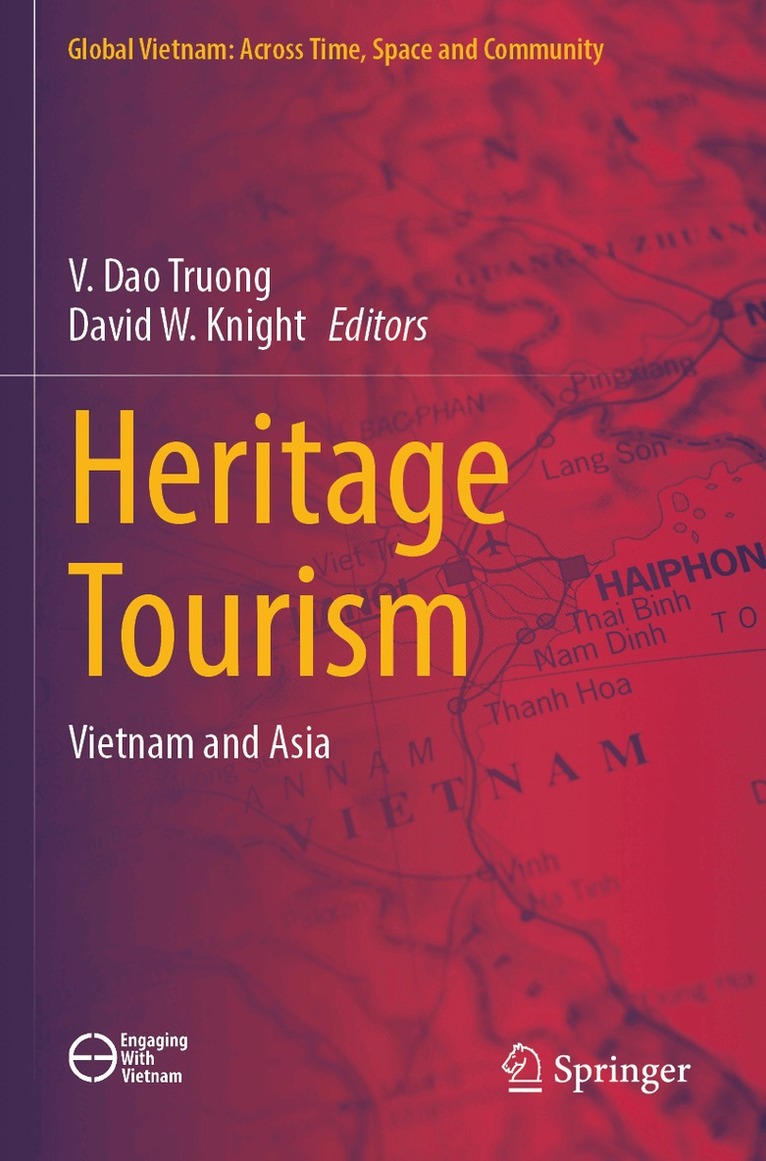
Heritage Tourism
Vietnam and Asia
Av V. Dao Truong, David W. Knight
Häftad, 2026
1643 kr
Lägg i varukorg
This book provides an overview of research and best practices associated with heritage tourism, with a particular focus on Vietnam, in conversation with heritage tourism in other Asian contexts. These include Iran in the Middle East, Sri Lanka in South Asia, Japan and China in East Asia, Thailand …