David W. McIvor - Böcker
Visar alla böcker från författaren David W. McIvor. Handla med fri frakt och snabb leverans.
4 produkter
4 produkter
258 kr
Skickas inom 7-10 vardagar
Ecological crises threaten all forms of life on earth. Democracy too is endangered, as popular discontent, elite malfeasance, and unresponsive institutions imperil its survival. Present political concepts have proven inadequate to meeting these challenges, and their inadequacies are themselves symptoms of the failures of prevailing political, cultural, and ecological stories and practices.This book offers a new vision of ecological and participatory democratic life for a time of crisis. Identifying myth and ritual as key resources for contemporary politics, Earthborn Democracy excavates practices and narratives that illustrate the interdependence necessary to inspire ecological renewal. It tells stories of multispecies agency and egalitarian political organization across history, from ancient Mesopotamia and the precolonial Americas to contemporary social movements, emphasizing Indigenous traditions and resistance. Resonating across these practices and stories past and present is a belief that we are all—human as well as nonhuman—earthborn, and this can serve as the basis for reimagining democracy. Allying visionary political theory with environmental activism, Earthborn Democracy provides a foundation and a guide for collective action in pursuit of earthly flourishing.
1 028 kr
Skickas inom 7-10 vardagar
Ecological crises threaten all forms of life on earth. Democracy too is endangered, as popular discontent, elite malfeasance, and unresponsive institutions imperil its survival. Present political concepts have proven inadequate to meeting these challenges, and their inadequacies are themselves symptoms of the failures of prevailing political, cultural, and ecological stories and practices.This book offers a new vision of ecological and participatory democratic life for a time of crisis. Identifying myth and ritual as key resources for contemporary politics, Earthborn Democracy excavates practices and narratives that illustrate the interdependence necessary to inspire ecological renewal. It tells stories of multispecies agency and egalitarian political organization across history, from ancient Mesopotamia and the precolonial Americas to contemporary social movements, emphasizing Indigenous traditions and resistance. Resonating across these practices and stories past and present is a belief that we are all—human as well as nonhuman—earthborn, and this can serve as the basis for reimagining democracy. Allying visionary political theory with environmental activism, Earthborn Democracy provides a foundation and a guide for collective action in pursuit of earthly flourishing.
434 kr
Skickas inom 10-15 vardagar
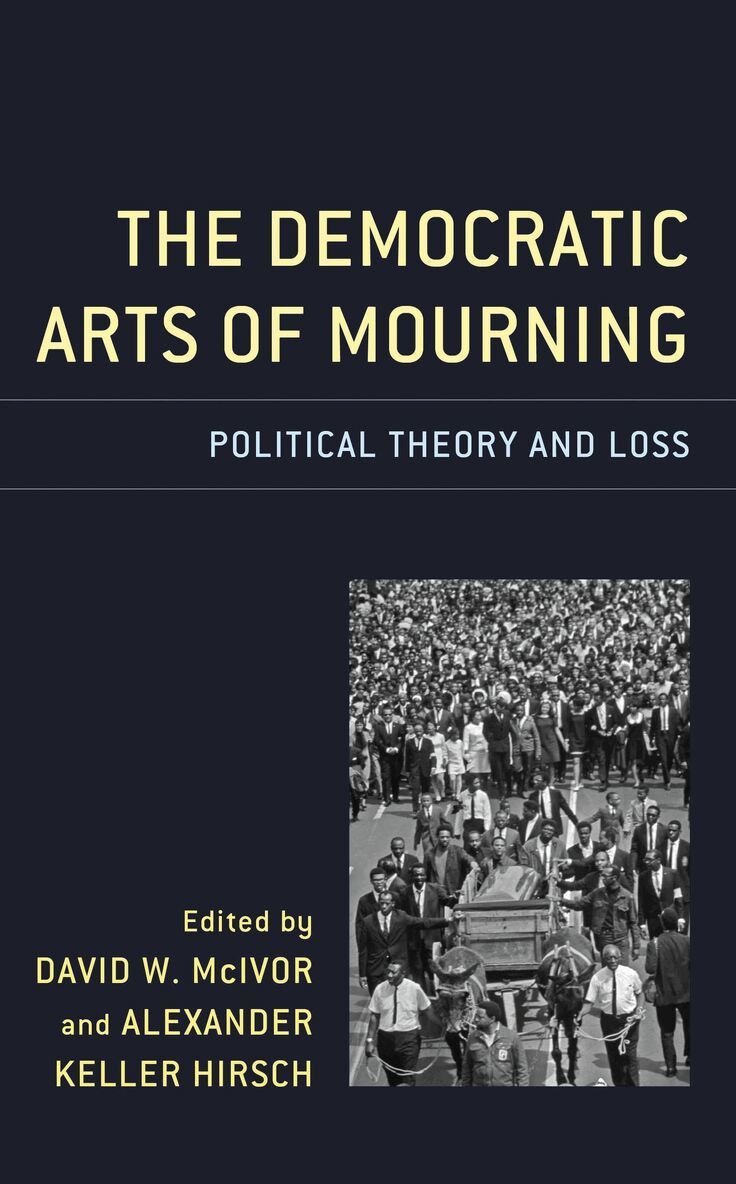
The Democratic Arts of Mourning reflects on the variety of ways in which mourning affects political and social life. In recent decades, political theorists have increasingly examined and explored the themes of loss, grief, and mourning. With an introduction that contextualizes the turn to mourning in previous scholarship on the politics of tragedy, this book includes twelve chapters that clarify the intertwinement between politics and mourning. The chapters are organized into five thematic sections that each shed light on how democratic societies relate to loss, grief, suffering, and death. Collectively, the chapters explore the concept of mourning and its relationship to civic rituals, memorials, taboos, social movements, and popular music. Chapters examine how social groups defend their members against experiences of grief or mourning, or how poetic expressions—such as ancient Greek tragedy—can address the catastrophes of human life. Other chapters explore the politics of symbols and bodies, and how they can become fraught objects that stand in for a society’s undigested—unmourned—losses and absences. The book concludes with an interview with Bonnie Honig, whose own work on mourning has been deeply influential in contemporary political theory.
631 kr
Skickas inom 10-15 vardagar
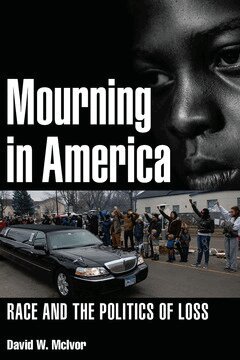
Recent years have brought public mourning to the heart of American politics, as exemplified by the spread and power of the Black Lives Matter movement, which has gained force through its identification of pervasive social injustices with individual losses. The deaths of Sandra Bland, Michael Brown, Freddie Gray, Trayvon Martin, Tamir Rice, Walter Scott, and so many others have brought private grief into the public sphere. The rhetoric and iconography of mourning has been noteworthy in Black Lives Matter protests, but David W. McIvor believes that we have paid too little attention to the nature of social mourning—its relationship to private grief, its practices, and its pathologies and democratic possibilities.In Mourning in America, McIvor addresses significant and urgent questions about how citizens can mourn traumatic events and enduring injustices in their communities. McIvor offers a framework for analyzing the politics of mourning, drawing from psychoanalysis, Greek tragedy, and scholarly discourses on truth and reconciliation. Mourning in America connects these literatures to ongoing activism surrounding racial injustice, and it contextualizes Black Lives Matter in the broader politics of grief and recognition. McIvor also examines recent, grassroots-organized truth and reconciliation processes such as the Greensboro Truth and Reconciliation Commission (2004–2006), which provided a public examination of the Greensboro Massacre of 1979—a deadly incident involving local members of the Communist Workers Party and the Ku Klux Klan.