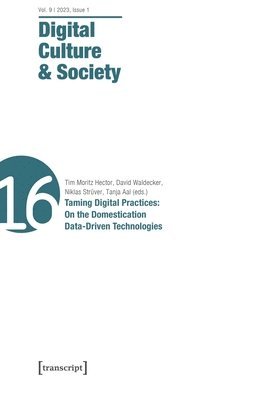
Modern mundane life is brimming with a variety of data-driven technologies that are supposed to augment the practices they are involved in. As humans bring these technologies into their lives in a process of domestication, they tame them and are simultaneously influenced by their presence. In combining domestication research and an empirical analysis of current, digital, and interconnected media, this issue examines the process of taming with an emphasis on practices. The contributions in this issue explore the use of digitally connected media such as vacuum robots, smart speakers, drones, and kitchen appliances with reference to the domestication paradigm from interdisciplinary perspectives including media studies, sociology, anthropology, and human-computer interaction.
Voice Assistants such as Amazon's Alexa populate private homes as well as smartphones, TVs and cars. While suggesting easy living with smart devices, these assistants are criticized as the next step of corporate and state surveillance of the private home, or as harbingers of new and simplified linguistic practices. The contributors to this volume focus on the transformation and persistence of everyday linguistic, media and data practices under platformized conditions and new interfaces. This collection thus brings together perspectives from media sociology, media studies, media linguistics and domestication research.
Modern mundane life is brimming with a variety of data-driven technologies that are supposed to augment the practices they are involved in. As humans bring these technologies into their lives in a process of domestication, they tame them and are simultaneously influenced by their presence. In combining domestication research and an empirical analysis of current, digital, and interconnected media, this issue examines the process of taming with an emphasis on practices. The contributions in this issue explore the use of digitally connected media such as vacuum robots, smart speakers, drones, and kitchen appliances with reference to the domestication paradigm from interdisciplinary perspectives including media studies, sociology, anthropology, and human-computer interaction.
Voice Assistants such as Amazon's Alexa populate private homes as well as smartphones, TVs and cars. While suggesting easy living with smart devices, these assistants are criticized as the next step of corporate and state surveillance of the private home, or as harbingers of new and simplified linguistic practices. The contributors to this volume focus on the transformation and persistence of everyday linguistic, media and data practices under platformized conditions and new interfaces. This collection thus brings together perspectives from media sociology, media studies, media linguistics and domestication research.