David Washbrook - Böcker
Visar alla böcker från författaren David Washbrook. Handla med fri frakt och snabb leverans.
4 produkter
4 produkter
3 635 kr
Skickas inom 10-15 vardagar
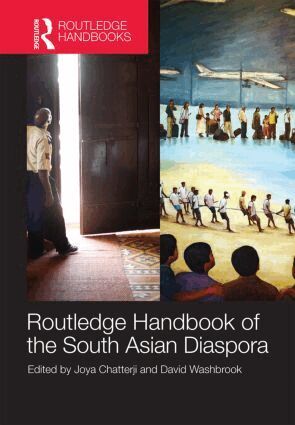
South Asia’s diaspora is among the world’s largest and most widespread, and it is growing exponentially. It is estimated that over 25 million persons of Indian descent live abroad; and many more millions have roots in other countries of the subcontinent, in Pakistan, Bangladesh and Sri Lanka. There are 3 million South Asians in the UK and approximately the same number resides in North America. South Asians are an extremely significant presence in Southeast Asia and Africa, and increasingly visible in the Middle East. This inter-disciplinary handbook on the South Asian diaspora brings together contributions by leading scholars and rising stars on different aspects of its history, anthropology and geography, as well as its contemporary political and socio-cultural implications. The Handbook is split into five main sections, with chapters looking at mobile South Asians in the early modern world before moving on to discuss diaspora in relation to empire, nation, nation state and the neighbourhood, and globalisation and culture. Contributors highlight how South Asian diaspora has influenced politics, business, labour, marriage, family and culture. This much needed and pioneering venture provides an invaluable reference work for students, scholars and policy makers interested in South Asian Studies.
2 150 kr
Skickas inom 10-15 vardagar
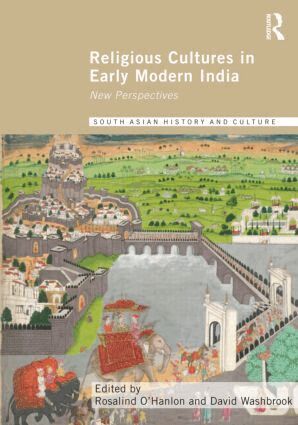
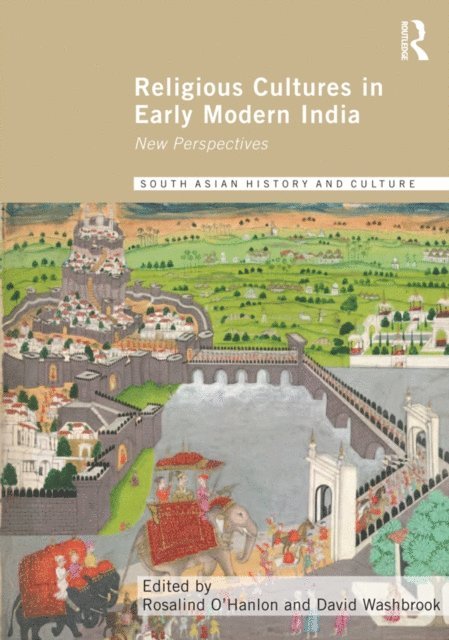
Religious authority and political power have existed in complex relationships throughout India’s history. The centuries of the ‘early modern’ in South Asia saw particularly dynamic developments in this relationship. Regional as well as imperial states of the period expanded their religious patronage, while new sectarian centres of doctrinal and spiritual authority emerged beyond the confines of the state. Royal and merchant patronage stimulated the growth of new classes of mobile intellectuals deeply committed to the reappraisal of many aspects of religious law and doctrine. Supra-regional institutions and networks of many other kinds - sect-based religious maths, pilgrimage centres and their guardians, sants and sufi orders - flourished, offering greater mobility to wider communities of the pious. This was also a period of growing vigour in the development of vernacular religious literatures of different kinds, and often of new genres blending elements of older devotional, juridical and historical literatures. Oral and manuscript literatures too gained more rapid circulation, although the meaning and canonical status of texts frequently changed as they circulated more widely and reached larger lay audiences.Through explorations of these developments, the essays in this collection make a distinctive contribution to a critical formative period in the making of India’s modern religious cultures.This book was published as a special issue of South Asian History and Culture.
747 kr
Skickas inom 10-15 vardagar
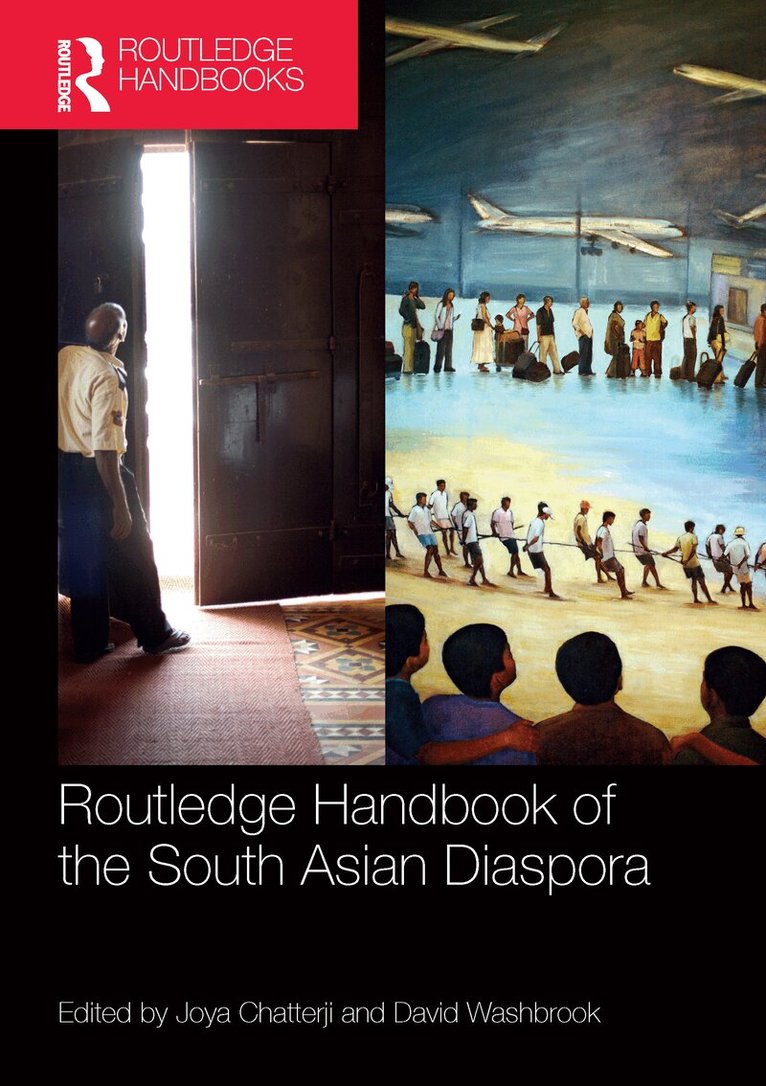
South Asia’s diaspora is among the world’s largest and most widespread, and it is growing exponentially. It is estimated that over 25 million persons of Indian descent live abroad; and many more millions have roots in other countries of the subcontinent, in Pakistan, Bangladesh and Sri Lanka. There are 3 million South Asians in the UK and approximately the same number resides in North America. South Asians are an extremely significant presence in Southeast Asia and Africa, and increasingly visible in the Middle East. Now available in paperback, this inter-disciplinary handbook on the South Asian diaspora brings together contributions by leading scholars and rising stars on different aspects of its history, anthropology and geography, as well as its contemporary political and socio-cultural implications. The Handbook is split into five main sections, with chapters looking at mobile South Asians in the early modern world before moving on to discuss diaspora in relation to empire, nation, nation state and the neighbourhood, and globalisation and culture. Contributors highlight how South Asian diaspora has influenced politics, business, labour, marriage, family and culture. This much needed and pioneering venture provides an invaluable reference work for students, scholars and policy makers interested in South Asian Studies.
691 kr
Skickas inom 10-15 vardagar
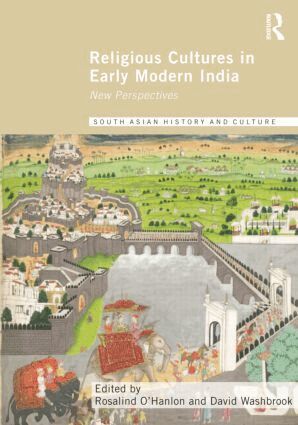
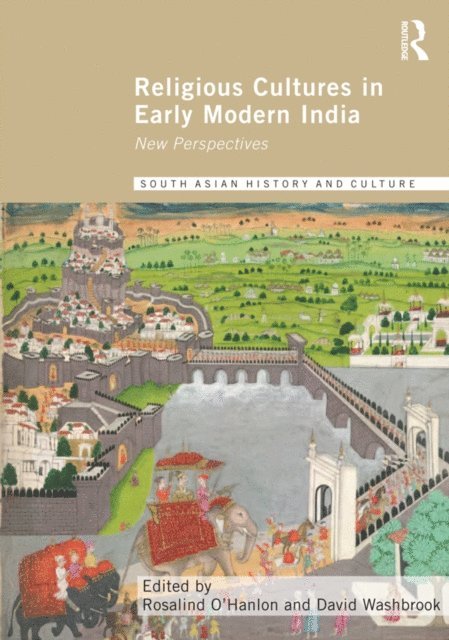
Religious authority and political power have existed in complex relationships throughout India’s history. The centuries of the ‘early modern’ in South Asia saw particularly dynamic developments in this relationship. Regional as well as imperial states of the period expanded their religious patronage, while new sectarian centres of doctrinal and spiritual authority emerged beyond the confines of the state. Royal and merchant patronage stimulated the growth of new classes of mobile intellectuals deeply committed to the reappraisal of many aspects of religious law and doctrine. Supra-regional institutions and networks of many other kinds - sect-based religious maths, pilgrimage centres and their guardians, sants and sufi orders - flourished, offering greater mobility to wider communities of the pious. This was also a period of growing vigour in the development of vernacular religious literatures of different kinds, and often of new genres blending elements of older devotional, juridical and historical literatures. Oral and manuscript literatures too gained more rapid circulation, although the meaning and canonical status of texts frequently changed as they circulated more widely and reached larger lay audiences.Through explorations of these developments, the essays in this collection make a distinctive contribution to a critical formative period in the making of India’s modern religious cultures.This book was published as a special issue of South Asian History and Culture.