David Yeomans – författare
206 kr
Skickas inom 10-15 vardagar
879 kr
Skickas inom 5-8 vardagar
1 063 kr
Skickas inom 3-6 vardagar
691 kr
Läs direkt efter köp
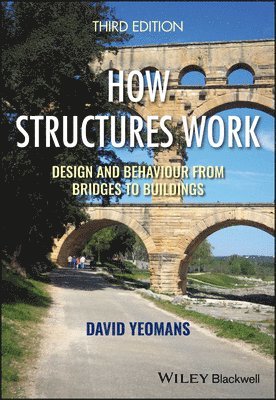
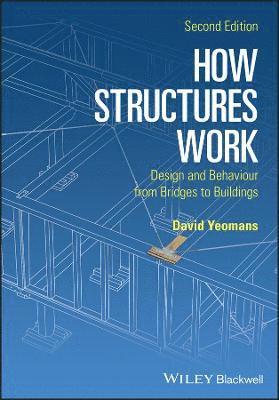
Structural engineering is central to the design of a building. How the building behaves when subjected to various forces – the weight of the materials used to build it, the weight of the occupants or the traffic it carries, the force of the wind etc – is fundamental to its stability. The alliance between architecture and structural engineering is therefore critical to the successful design and completion of the buildings and infrastructure that surrounds us. Yet structure is often cloaked in mathematics which many architects and surveyors find difficult to understand.
How Structures Work has been written to explain the behaviour of structures in a clear way without resorting to complex mathematics. This new edition includes a new chapter on construction materials, and significant revisions to, and reordering of the existing chapters. It is aimed at all who require a good qualitative understanding of structures and their behaviour, and as such will be of benefit to students of architecture, architectural history, building surveying and civil engineering. The straightforward, non-mathematical approach ensures it will also be suitable for a wider audience including building administrators, archaeologists and the interested layman.
717 kr
Läs direkt efter köp
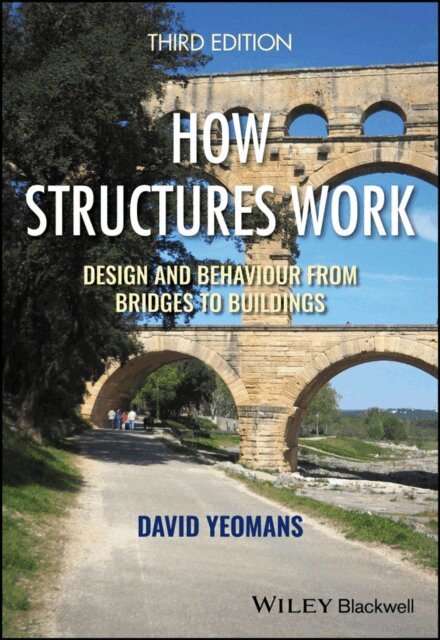
Structural engineering is central to the design of a building. How the building behaves when subjected to various forces – the weight of the materials used to build it, the weight of the occupants or the traffic it carries, the force of the wind etc – is fundamental to its stability. The alliance between architecture and structural engineering is therefore critical to the successful design and completion of the buildings and infrastructure that surrounds us. Yet structure is often cloaked in mathematics which many architects and surveyors find difficult to understand.
How Structures Work has been written to explain the behaviour of structures in a clear way without resorting to complex mathematics. This new edition includes a new chapter on construction materials, and significant revisions to, and reordering of the existing chapters. It is aimed at all who require a good qualitative understanding of structures and their behaviour, and as such will be of benefit to students of architecture, architectural history, building surveying and civil engineering. The straightforward, non-mathematical approach ensures it will also be suitable for a wider audience including building administrators, archaeologists and the interested layman.
925 kr
Läs direkt efter köp
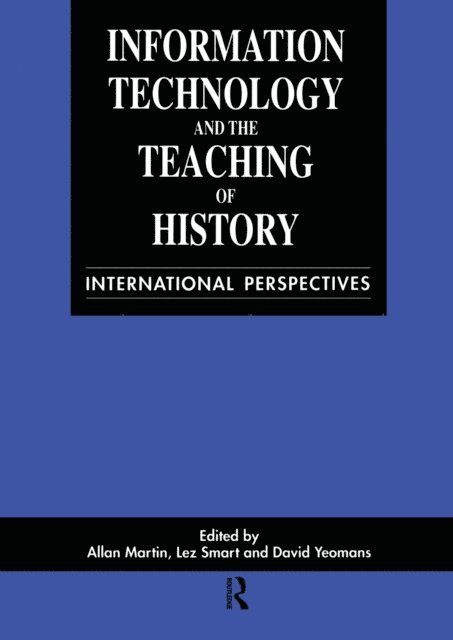
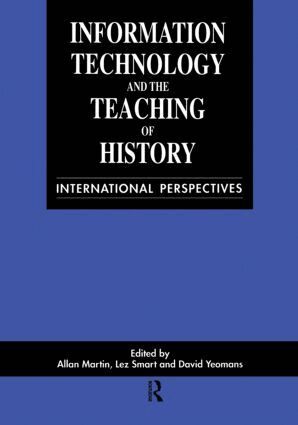
Information technology offers powerful tools to facilitate and to assist learning across the whole curriculum; the computer is certainly the most significant development in educational technology in the twentieth century. History may be thought of as a staid and perhaps tradition-bound subject, more resistant to change than some areas. Yet in history too, information technology is making an impact. This volume shows how information technology is currently contributing to, and bringing about changes in the way history is taught and learned. The international selection of the contributions shows that these phenomena are not restricted to just one country. The impact of information technology on history curricula is explored in depth in one section of the book, whilst other sections focus on classroom activities and issues, on the development of software for history, and on the relevance of current information technology developments. But the question which lies at the heart of it all remains that of how information technology can enhance the teacher''s ability to offer situations in which learners can form and develop a real understanding of the nature of historical processes, and the ways in which they can be studied.
925 kr
Läs direkt efter köp
Information technology offers powerful tools to facilitate and to assist learning across the whole curriculum; the computer is certainly the most significant development in educational technology in the twentieth century. History may be thought of as a staid and perhaps tradition-bound subject, more resistant to change than some areas. Yet in history too, information technology is making an impact. This volume shows how information technology is currently contributing to, and bringing about changes in the way history is taught and learned. The international selection of the contributions shows that these phenomena are not restricted to just one country. The impact of information technology on history curricula is explored in depth in one section of the book, whilst other sections focus on classroom activities and issues, on the development of software for history, and on the relevance of current information technology developments. But the question which lies at the heart of it all remains that of how information technology can enhance the teacher''s ability to offer situations in which learners can form and develop a real understanding of the nature of historical processes, and the ways in which they can be studied.
626 kr
Skickas
727 kr
Läs direkt efter köp
702 kr
Läs direkt efter köp
564 kr
Tillfälligt slut