Dawn L. Hutchinson – författare
Visar alla böcker från författaren Dawn L. Hutchinson. Handla med fri frakt och snabb leverans.
2 produkter
2 produkter
E-bok
PDF, Engelska, 20201 507 kr
Läs direkt efter köp
This books links American prosperity literature and business self-help literature in an effort to uncover their connections to concepts of success in American culture. There were hundreds of books published in America between 1880-1920 on success strategies. These strategies followed a pattern that has been ingrained in the fabric of American ideas of success. This pattern entails visualizing a goal, expecting/believing that the goal can/will be achieved, declaring one’s intention to achieve the goal, taking the steps to achieve the goal, and finally, “realize”/achieve the goal. While the definitions of “success” vary, the general meaning has to do with setting goals and achieving them. In this book, the author describes various threads of prosperity theology and demonstrates their connection to concepts of business success. The goal of this book is to show that while this literature began in religious contexts, including metaphysical and evangelical religions, the methods of achieving success became part of the fabric of American culture as a whole. Prosperity theology connects the visualization and declaration process with God and the individual’s relationship to God. Since business interests are intertwined with notions of success, much of American business literature echoes the methods originally begun with prosperity theology. This book is an attempt to map some of those trends and to demonstrate the complicated nature of their origins.
Häftad, Engelska, 2022
503 kr
Skickas inom 10-15 vardagar
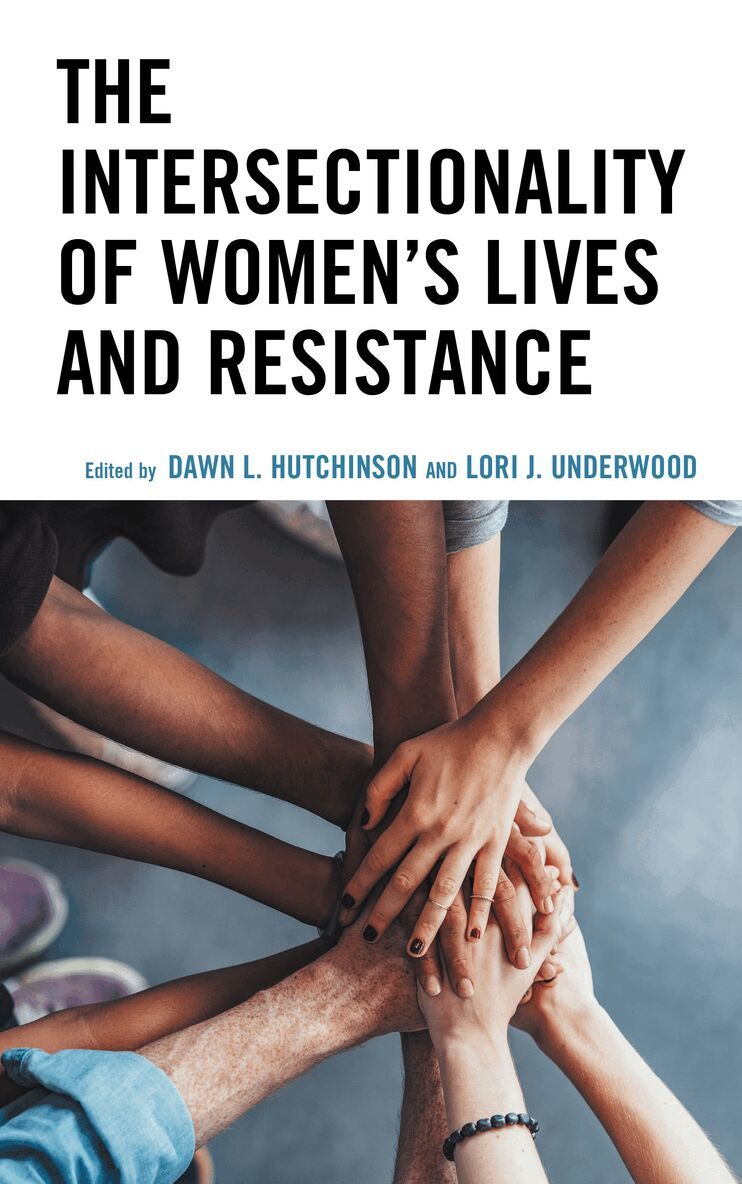
The Intersectionality of Women's Lives and Resistance uses the tools of the arts, humanities, social sciences, and other fields to address challenges faced by women and girls around the world, both historically and in modern day, with an emphasis on intersectionality. Contributors offer interdisciplinary analyses of how gender intersects with race, ethnicity, class, sexuality, and other identity markers in complex ways, and how these are tied to the interconnected nature of systems of oppression, power, and privilege.